About this course:
The purpose of this module is to provide an overview of the most common laboratory tests and guide the advanced practice registered nurse’s (APRN’s) interpretation of results of the most common laboratory tests, including the complete blood count (CBC), comprehensive metabolic panel (CMP), lipid panel, thyroid function tests, fasting blood glucose (FBS), glycated hemoglobin (HgbA1c), and coagulation profile, to application in clinical practice.
Course preview
Interpretation of Common Laboratory Tests for APRNs
The purpose of this module is to provide an overview of the most common laboratory tests and guide the advanced practice registered nurse’s (APRN’s) interpretation of results of the most common laboratory tests, including the complete blood count (CBC), comprehensive metabolic panel (CMP), lipid panel, thyroid function tests, fasting blood glucose (FBS), glycated hemoglobin (HgbA1c), and coagulation profile, to application in clinical practice.
By the completion of this module, the learner should be able to:
- identify the most common types of laboratory tests, their indications, and standard reference ranges
- describe the basic interpretation process of laboratory values and their clinical implications
- apply the interpretation of unexpected laboratory values to disease identification and management in clinical practice
Interpreting laboratory values is a core aspect of patient care and a vital skill for APRNs to master in clinical practice. As with all aspects of patient care, relevant laboratory data must be correlated with the patient's clinical signs and symptoms. All laboratory data and values in this module are compiled from the American Board of Internal Medicine (ABIM) guide to laboratory reference ranges and refer to healthy, nonpregnant adults. However, it is essential to recognize that reference ranges will vary between laboratories (ABIM, 2026).
Unexpected Laboratory Results
Laboratory reports routinely flag values that fall outside of the reference range to alert the ordering provider about the resulting value. The flag can take various forms, but the most common flagging methods include an “L” for a result below the range, an “H” for a value above the range, or an arrow pointing up or down. For critical values, the result may be accompanied by a “c” for critical or an exclamation point (!) to direct attention to the value. Figure 1 provides an example of a lab report highlighting several low blood counts, with small red arrows pointing down (Testing.com, 2021).
Figure 1
Laboratory Report Flagging Results
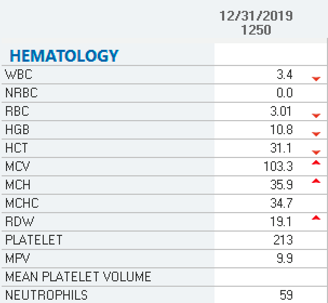
(Selchick, 2020)
Correlation of Lab Results
Interpreting laboratory test results involves understanding the variability in testing results. Before assigning a diagnosis based on unexpected laboratory results, the APRN should correlate the patient's clinical history and examination findings with the laboratory results to validate their accuracy. Several other areas to note when interpreting laboratory results are differences in laboratory reference ranges from one lab to the next, the effects age, sex, and ethnicity may have on the expected reference range, as well as blood sample quality at the time of testing. Hemolysis of a blood sample alters several laboratory test results. The method used by a laboratory for a specific test may also differ across labs, affecting the comparability of results (Doles et al., 2025).
Complete Blood Count
Blood contains liquid and solid components and comprises four main constituents: plasma, red blood cells (RBCs), white blood cells (WBCs), and platelets. Plasma is the liquid part and is primarily water. It carries nutrients, proteins, and hormones throughout the body and transports waste products to the kidneys and digestive tract for removal. The blood's solid components include the fundamental elements of the complete blood count (CBC): WBCs, RBCs, and platelets. The CBC is one of the most common laboratory tests performed across health care settings, and it consists of several tests in one. It is used to assess the patient's overall health and to detect and monitor conditions such as infection, anemia, bleeding, and other blood-related conditions. Patients generally do not need to fast or take special precautions before the test. The CBC test can be performed in one of two ways: with differential (CBC w/diff) or without. While the basic CBC test measures the number of RBCs, WBCs, platelets, hemoglobin, hematocrit, and types of WBCs, the CBC w/diff includes a detailed account of the quantities of each type of WBC in the blood. It helps delineate, diagnose, and monitor various conditions (National Library of Medicine, 2024; Rogers & Brashers, 2023). Table 1 demonstrates the components of the CBC w/diff, including reference ranges.
Table 1
Components of Complete Blood Count with Differential and Reference Ranges
Test | Reference Range |
White blood cells | 4,000–11,000/μL |
Red blood cells | 4.20–5.9 M/μL |
Hemoglobin | Female: 12–16 g/dL Male: 14–18 g/dL |
|
color windowtext windowtext; border-image: initial; padding: 0in 5.4pt;"> Hematocrit | Female: 37%–47% Male: 42%–50% |
Mean corpuscular volume (MCV) | 80–98 fL |
Mean corpuscular hemoglobin (MCH) | 28–32 pg |
Mean corpuscular hemoglobin concentration (MCHC) | 33–36 g/dL |
Red blood cell distribution width (RDW) | 9.0%–14.5% |
Platelet | 150,000–450,000/μL |
Neutrophils (%) | 50%–70% |
Lymphocytes (%) | 30%–45% |
Monocytes (%) | 0%–6% |
Eosinophils (%) | 0%–3% |
Basophils (%) | 0%–1%% |
Immature granulocytes (%) | 0%–0.5% |
Absolute neutrophil count (ANC; #) | 2,000–8,250/UL |
Absolute immature granulocytes (#) | 0.0–0.17 K/UL |
Absolute lymphocytes (#) | 0.9–4.2 K/UL |
Absolute monocytes (#) | 0.1–1.7 K/UL |
Absolute eosinophils (#) | 0.0–1.0 K/UL |
Absolute basophils (#) | 0.0–0.4 K/UL |
(ABIM, 2026)
Red Blood Cells
Erythrocytes are mature RBCs that have an average lifespan of 120 days. Their primary function is to carry hemoglobin, the protein that transports oxygen from the lungs to all the tissues within the body. They are also the pigment component of RBCs, responsible for their characteristic red color. The body relies on oxygen as a critical component of all cellular processes. Hemoglobin also carries waste products (mainly carbon dioxide) from the tissues to the lungs, where waste is expelled through breathing. The RBC result is reported as the number of cells per volume (microliter [μ[CE1] L]), and the hemoglobin is the amount of protein (in grams [g]) per volume (deciliter [dL]). Hematocrit is the percentage of RBCs in a given volume of blood. Under healthy conditions, the hemoglobin and hematocrit usually exist in a 1:3 ratio, so 14 g of hemoglobin equates to a hematocrit of 42% (George, 2026; Rogers & Brashers, 2023).
Low RBC, hemoglobin, and hematocrit levels generally indicate anemia from various etiologies. Anemia can result from acute blood loss (e.g., hemorrhage from trauma) or from slow, chronic blood loss (e.g., gastrointestinal bleeding). Anemia can also occur due to chronic illness (e.g., cancer) or nutritional deficiencies (e.g., vitamin B12 deficiency or iron-deficiency anemia). When evaluating a patient with anemia, analysis of the components of the CBC provides essential characteristics and critical insight into the type of anemia by reporting RBC indices (mean corpuscular volume [MCV], mean corpuscular hemoglobin [MCH], mean corpuscular hemoglobin concentration [MCHC], and red blood cell distribution width [RDW]). The MCV measures the average erythrocyte size in femtoliters (fL). When the MCV is low, the RBCs are smaller than expected a condition termed microcytosis or microcytic anemia. When the MCV is high, the RBCs are unusually large, a condition known as macrocytosis or macrocytic anemia. The MCH refers to the cell's color. Since hemoglobin provides the RBCs with their characteristic red color, the suffix –“chromic” is used. Therefore, an RBC with an expected MCH has a typical red color called normochromic, whereas an RBC with a low MCH is pale or hypochromic. It is reported in picograms (pg). The MCHC is the average weight (concentration) of hemoglobin based on the volume of RBCs; it is calculated by dividing the hemoglobin by the hematocrit. Variations in MCH and MCHC can indicate defects in hemoglobin synthesis. The RDW measures the variation in RBC size and volume. It reflects the degree of variation in RBC size and is often reported as anisocytosis in RBC morphology results. The RDW is elevated when there is a wide variation in RBC size, suggesting that the cells were produced under different conditions. Minor variations in cell size are expected, so the RDW is considered increased only when it exceeds 15%. The APRN would suspect iron-deficiency anemia when the RDW is elevated (Fischbach et al., 2022; George, 2026).
The RBCs, hemoglobin, and hematocrit can also be elevated in certain conditions. The most common and easily treatable etiology involves the body's hydration status, which largely influences the hemoglobin and hematocrit levels. In severe dehydration, hemoglobin and hematocrit are usually falsely elevated due to hemoconcentration, whereas in overhydration, they are falsely reduced. Polycythemia vera, also called erythrocytosis, is a myeloproliferative disease of the bone marrow, causing an overproduction of RBCs, commonly accompanied by an elevation in leukocytes and platelets. Polycythemia may require treatment with weekly phlebotomies to reduce excess circulating RBCs and induce iron deficiency, which decreases RBC proliferation. Hydroxyurea (Hydrea) 500-1,500 mg daily is a second-line treatment that can be adjusted until platelet counts are reduced to less than 400,000/µL. Treatment with hydroxyurea (Hydrea) is indicated in patients with poor venous access, limited access to a facility that performs phlebotomy, severe thrombocytosis, intractable pruritus, or a high phlebotomy requirement. In patients who are intolerant of or do not respond to hydroxyurea, the JAK2 inhibitor drug class can be used; however, there is a risk of anemia. Ruxolitinib (Jakafi) was the first JAK2 inhibitor approved for use, with a recommended dose of 10 mg twice daily until the hemoglobin level falls below 12 g/dL and should be discontinued if the hemoglobin level falls below 8 g/dL. Increased hemoglobin levels may also occur in patients who smoke cigarettes due to consistent carbon monoxide exposure. Those with underlying respiratory diseases such as chronic obstructive pulmonary disease (COPD), emphysema, or pulmonary fibrosis, and those living in high altitudes may present with increased hemoglobin levels. High hemoglobin levels are also typical following vigorous exercise and in athletes who train at high altitudes. The use of anabolic steroids can also elevate the hemoglobin levels, so it is crucial to obtain a detailed history (Fischbach et al., 2022; Tefferi, 2024; Tefferi & Garcia, 2026). The most common etiologies of increased hemoglobin and hematocrit levels include the following:
- polycythemia vera
- dehydration/hemoconcentration
- high altitude
- vigorous exercise
- respiratory disorders (COPD, emphysema, pulmonary fibrosis, asthma)
- smoking and carbon monoxide exposure (often occurring in individuals who work on cars or in boiler rooms)
- renal disorders (renal artery stenosis, renal cysts, kidney cancer)
- anabolic steroids or other performance-enhancing drugs (Tefferi & Garcia, 2026)
While the CBC w/diff provides essential data regarding the presence and features of anemia, a complete anemia workup requires an anemia panel (George, 2026). For a more detailed account outlining the various types of anemias, refer to the NursingCE.com course, Anemia: Diagnosing, Classifying, and Managing Anemia in Adults.
White Blood Cells
WBCs, also called leukocytes, are essential immune system cells. While WBCs comprise only about 1% of all blood cells in healthy adults, they play critical roles in fighting infection and mediating the inflammatory response. WBCs have variable lifespans; some live for only 24 hours, whereas the average lifespan is 13–20 days. There are five specific subtypes of WBCs: neutrophils, lymphocytes, monocytes, basophils, and eosinophils. Each subtype serves a distinct function, and collectively they comprise the “differential” component of the CBC. When the total WBC count is elevated, it is called leukocytosis, which is most commonly an indicator of an acute bacterial infection or an inflammatory process. However, a high WBC count does not always indicate a pathologic process, as physiological causes of leukocytosis (e.g., stress, pregnancy, steroid therapy, or vigorous exercise) can also occur. When leukocytosis occurs, the CBC's differential provides information about each WBC subtype's relative percentage and absolute number. A lower-than-expected WBC count, called leukopenia, increases the risk of infection (Fischbach et al., 2022; Rogers & Brashers, 2023).
Neutrophils may also be called segmented neutrophils (segs) or polymorphonuclear cells (polys or PMNs). They are the main WBCs used for fighting and preventing infections, as they are primed to destroy and ingest potential bacterial invaders. Neutrophils arrive first at the site of inflammation or injury. Therefore, neutrophil elevations are usually evident early in injury or illness. The absolute neutrophil count (ANC) measures the total number of circulating neutrophils and correlates directly with the patient's risk of infection. This value is particularly important to monitor in patients undergoing myelosuppressive treatment for cancer. Most laboratories designate an ANC level below 1,500 as below the reference range, or neutropenia. When a patient is neutropenic, they are at high risk for developing a severe illness, including life-threatening sepsis. Bands are immature neutrophils that are typically released following acute injury or inflammation. The presence of bands indicates an infectious or inflammatory process, as the bone marrow is producing more WBCs and releasing them into circulation before they are fully mature. An increase in the number of bands may be referred to as a left shift or shift to the left (Berliner, 2026; Coates, 2024; George, 2026).
Lymphocytes primarily fight viral infections, and there are two major types: B and T cells. B cells make antibodies in response to antigens (foreign substances) to provide future immunity to that specific antigen. T cells help destroy cancer cells and control the immune response against foreign substances. Monocytes are phagocytic cells that fight off viruses, fungi, and bacteria. Their job is to remove foreign materials, such as dead or injured cells, microorganisms, and other particles, from the injury site to facilitate healing and prevent further injury or infection. Basophils help prevent blood from clotting within the microcirculation and are also involved in the inflammatory response, particularly in modulating hypersensitivity reactions to allergens. In addition to their presence in the blood, basophils are found within the gastrointestinal tract and skin, where they are referred to as mast cells. Mast cells contain heparin and histamine and are involved in allergic and stress responses. Eosinophils also mediate allergic and inflammatory reactions and are essential in fighting parasitic infections. Eosinophils are present in the respiratory tract and airway, serving similar functions in response to allergic reactions (Coates, 2024; Rogers & Brashers, 2023).
Platelets
Platelets, or thrombocytes, are small blood cell fragments that have a primary role in the blood clotting process. In response to an injury, laceration, or blunt trauma, platelets gather at the site of injury to seal cuts or breaks in blood vessels, in conjunction with proteins called clotting factors, to control bleeding. Platelets have an average lifespan of 7–10 days. Thrombocytopenia occurs when the platelet count falls below the reference range, heightening the patient's risk of bruising and acute bleeding. Spontaneous hemorrhage and death can ensue in the most severe cases, notably when the platelet count drops below 20,000/µL (Rogers & Brashers, 2023). Thrombocytopenia can have various etiologies: idiopathic, due to platelet destruction caused by medications such as chemotherapy or certain antibiotics, as a side effect of radiation therapy, or due to decreased platelet production caused by a viral infection. Aplastic anemia and idiopathic thrombocytopenic purpura (ITP) are rare autoimmune disorders that affect platelet counts. In aplastic anemia, the body cannot produce sufficient platelets, whereas in ITP, the immune system attacks and destroys the platelets. An increased platelet level (thrombocytosis) can occur in splenomegaly, as a byproduct of inflammation, due to stress hormones, or from myeloproliferative bone marrow disorders such as polycythemia vera or chronic granulocytic leukemia (Arnold & Cuker, 2025).
Comprehensive Metabolic Panel
The comprehensive metabolic panel (CMP), also called the blood chemistry panel, provides information on several body systems and organ health. It measures glucose levels, liver and kidney function, and fluid and electrolyte balance. There is no special preparation before the test; patients generally do not need to fast for a routine CMP. The exception is when liver function tests are being scrutinized for response to a medication or other underlying condition, which may require the patient to fast (Fischbach et al., 2022). Table 2 demonstrates the components of the CMP, including reference ranges.
Table 2
Comprehensive Metabolic Panel
Test | Reference Range |
Glucose | 70–99 mg/dL |
Blood urea nitrogen (BUN) | 8–20 mg/dl |
Creatinine | Female: 0.50–1.10 mg/dL Male: 0.70–1.30 mg/dL |
Estimated glomerular filtration rate (eGFR) | >60 mL/min/1.73 m2 |
Sodium | 136–145 mEq/L |
Potassium | 3.5–5.0 mEq/L |
Chloride | 98–106 mEq/L |
Carbon dioxide | 23–30 mEq/L |
Bicarbonate | 23–28 mEq/L |
Calcium | 8.6–10.2 mg/dL |
Total protein | 5.5–9.0 g/dL |
Albumin | 3.5–5.5 g/dL |
Globulin | 2.0–3.5 g/dL |
Total bilirubin | 0.3–1.0 mg/dL |
Direct bilirubin | 0.1–0.3 mg/dL |
Indirect bilirubin | 0.2/0.7 mg/dL |
Alkaline phosphatase | 30–120 U/L |
Aspartate aminotransferase (AST) | 10–40 U/L |
Alanine aminotransferase (ALT) | 10–40 U/L |
(ABIM, 2026)
Electrolytes
Electrolytes are essential for basic bodily functions. Embedded within the CMP are five significant serum electrolytes: sodium, potassium, calcium, chloride, and bicarbonate. Each electrolyte has significant effects on cellular, muscular, and neurological tissues. Alterations in the electrolyte levels can lead to numerous clinical manifestations (Rogers & Brashers, 2023).
Sodium
Sodium helps regulate and maintain extracellular fluid balance and is vital in muscle contraction and nerve impulses. Hyponatremia, when sodium levels drop below the reference range, can result from water retention or sodium loss. Hyponatremia can occur due to vomiting, diarrhea, or diuresis from medication therapy. Hyponatremia may be secondary to a more significant etiology, such as an underlying liver or renal disorder (chronic renal disease), hormonal conditions (adrenal insufficiency), congestive heart failure, or excessive water intake. Of all electrolyte imbalances, hyponatremia is the most common. Symptoms of hyponatremia may include confusion, headache, muscle weakness, spasms/cramps, seizures, restlessness, and irritability. Hypernatremia (a sodium level above the reference range) is typically due to water depletion secondary to insufficient water intake, excessive sweating, water loss, or excessive sodium intake. Manifestations of hypernatremia may include excessive thirst, lethargy, fatigue, tachypnea, insomnia, restlessness, and confusion. Hyponatremia and hypernatremia can also be due to the presence of more severe underlying conditions, such as interstitial nephritis, arginine vasopressin deficiency/resistance (previously diabetes insipidus), excessive mineralocorticoids associated with prolonged use of corticosteroids, as well as hyperaldosteronism and Cushing's syndrome seen in adrenal gland dysfunction (Sterns, 2026).
Potassium
Potassium is the primary intracellular ion and helps regulate the communication channels between nerve fibers and muscles, serving an essential role in heart contraction and muscle functioning. Hypokalemia results when the potassium level drops below the reference range. There are three primary etiologies of hypokalemia: urinary loss (usually drug-induced by diuretic medications), gastrointestinal loss (usually due to diarrhea, vomiting, or malabsorption), or potassium movement from extracellular to intracellular fluid (due to alkalosis, insulin, or glucose administration). Manifestations of hypokalemia may include constipation, muscle weakness or spasms, numbness or tingling, cardiac arrhythmias, flattened T waves, prominent U waves, and fatigue. Hyperkalemia occurs when the potassium level exceeds the reference range and can be due to increased dietary potassium intake or impaired renal clearance secondary to acute or chronic renal failure, which is the most common cause of hyperkalemia. Hyperkalemia can also be drug-induced by potassium-sparing diuretics, such as aldosterone antagonists (e.g., spironolactone [Aldactone]), or by potassium replacement exceeding the required level. If a serum sample is hemolyzed (cells are ruptured) during collection or processing, hyperkalemia may be inaccurately reported on the lab results, underscoring the need to link all laboratory data to the patient's clinical presentation. Manifestations of hyperkalemia may include muscle fatigue, weakness, paralysis, cardiac arrhythmias, peaked T waves, widened QRS complex, and nausea. Because more than 90% of potassium is excreted in the urine, which is then filtered and reabsorbed proximally before being excreted by the distal tubules, it is not uncommon for patients with severe renal disease to exhibit potassium levels outside of the reference range (Mount, 2024a, 2024b, 2025).
Calcium
Calcium is one of the body's essential minerals required for muscle contraction, nerve function, and healthy bones and teeth. Calcium also serves a vital role in blood clotting and cellular division. The CMP reports the total calcium level in the bloodstream. Low calcium levels, or hypocalcemia, may be caused by hypoparathyroidism, renal failure, vitamin D deficiency or insufficiency, magnesium deficiency, acute pancreatitis, or other conditions. Symptoms of hypocalcemia most commonly include paresthesia, muscle spasms or cramps, tetany, numbness, and, in severe cases, seizures. Higher-than-expected calcium levels, or hypercalcemia, may be due to hyperparathyroidism, tuberculosis, or drug-induced secondary to diuretics, calcium-containing antacids, or excess vitamin D intake. Hypercalcemia should also prompt the APRN to consider the diagnosis of malignancy, especially metastatic breast or lung cancer, in addition to multiple myeloma. In its most severe form, hypercalcemia related to malignancy is considered a life-threatening medical emergency. Manifestations of hypercalcemia include excessive thirst, frequent urination, bone pain, muscle weakness, confusion, fatigue, as well as the presence of palpitations or cardiac arrhythmias, seen less commonly. Up to 45% of calcium in the blood is bound to albumin. This can result in the total calcium level reported not accurately reflecting free (ionized) calcium in patients with high or low albumin levels. In a patient with hypoalbuminemia (low serum albumin), calcium levels can be underestimated without correcting for albumin. In a patient with hyperalbuminemia (high serum albumin), calcium levels may appear falsely elevated. The APRN must determine the accurate (corrected) calcium level before treating the patient for hypo- or hypercalcemia. Figure 2 provides several examples of how to calculate corrected calcium. Several online calculators are available to assist clinicians (Goltzman, 2025, 2026; Shane, 2025).
Figure 2
Corrected Calcium Formula
Corrected Ca = [0.8 × (expected albumin − patient's albumin)] + serum calcium level
Example #1—patient with hypoalbuminemia (3.0) and Ca+ of 8:
4.1−3.0 = 1.1 × 0.8 = 0.88 + 8 = 8.88 (corrected)
Example #2—patient with hyperalbuminemia (5.0) and Ca+ of 8:
4.1−5.0 = −0.9 × 0.8 = −0.1 + 8 = 7.9 (corrected)
(Shane, 2025)
Chloride and Bicarbonate
Chloride helps regulate fluid balance within the body, and bicarbonate provides information about acid–base status, both of which are important in metabolic and respiratory acidosis or alkalosis. Because they have a direct inverse relationship, the clinical significance of chloride and bicarbonate should always be interpreted together, in conjunction with the anion gap. The anion gap is a calculated value that reflects the amount of acid in the blood and provides valuable information for delineating the etiology of acid–base disturbances. These tests help to distinguish between respiratory alkalosis (acute versus chronic) and metabolic acidosis. They can also help identify diabetes insipidus, renal tubular acidosis, Addison's disease, hyperparathyroidism, or Cushing syndrome (Fischbach et al., 2022; Rogers & Brashers, 2023).
Renal Function
While the electrolyte panel provides valuable information regarding renal function, blood urea nitrogen (BUN), creatinine, and estimated glomerular filtration rate (eGFR) are the three tests within the CMP that explicitly evaluate the health status and functioning of the renal system (Rogers & Brashers, 2023).
Blood Urea Nitrogen
Urea is a nitrogen-containing waste product generated from the breakdown of dietary protein within the liver. It is released into the blood and circulates until it is excreted. Approximately 85% is filtered by the kidneys and excreted via the urine, with the remaining amount being excreted in the stool. The BUN measures the amount of waste products in the blood and increases when the kidneys are not functioning correctly. This can be due to easily correctable causes such as dehydration, diarrhea, a high-protein diet, or certain nephrotoxic medications, including chemotherapy or steroids. Alternatively, an elevated BUN may indicate a more complex condition such as congestive heart failure, renal disease (e.g., glomerulonephritis, pyelonephritis, or tubular necrosis), tissue necrosis, shock, or severe burns. A low BUN level is less common and is generally due to fluid overload, syndrome of inappropriate antidiuretic hormone (SIADH), pregnancy, malnutrition, or liver failure (Fischbach et al., 2022; Rogers & Brashers, 2023).
Creatinine
Creatinine is a chemical waste product of creatine phosphate, which is essential for producing muscle energy and skeletal muscle contraction. Produced primarily in the liver, creatine is transported to muscles and phosphorylated to creatine phosphate. Creatinine is excreted solely by the kidneys and is a good indicator of kidney function, although levels can vary widely based on age, sex, and body size (muscle mass). High creatinine levels generally indicate kidney dysfunction, which may be secondary to dehydration, starvation, acute trauma, infection, urinary tract obstruction, burns, or acute or chronic kidney failure. Low creatinine levels indicate decreased muscle mass, which may result from an underlying condition such as muscular dystrophy or myasthenia gravis (Inker & Perrone, 2026; Rogers & Brashers, 2023).
Glomerular Filtration Rate
The eGFR is the most sensitive and widely used test to assess kidney function and stage existing kidney disease. The eGFR reflects the creatinine level in the blood, using a specific formula to calculate a result based on the patient's age, sex, and body size. The expected eGFR in adults is greater than 90 mL/min/1.73 m2, but an eGFR greater than 60 mL/min/1.73 m2 is often considered healthy kidney function. Chronic kidney disease (CKD) is staged based on the eGFR value and reflects the severity of impairment. An eGFR below 60 for at least three months or an eGFR above 60 with kidney damage (marked by high levels of albumin in the urine) indicates CKD (Inker & Perrone, 2026; Kidney Disease Improving Global Outcomes [KDIGO], 2021). Table 3 presents the KDIGO stages of CKD.
Table 3
Stages of Chronic Kidney Disease
Stage | Reference Range | Function |
Stage 1 | Estimated glomerular filtration rate (eGFR) higher than 90 mL/min/1.73 m2 | As expected or high |
Stage 2 | eGFR between 60 and 89 mL/min/1.73 m2 | Mildly decreased |
Stage 3a | eGFR between 45 and 59 mL/min/1.73 m2 | Mildly to moderately decreased |
Stage 3b | eGFR between 30 and 44 mL/min/1.73 m2 | Moderately to severely decreased |
Stage 4 | eGFR between 15 and 29 mL/min/1.73 m2 | Severely decreased |
Stage 5 | eGFR less than 15 mL/min/1.73 m2 | End-stage renal disease (ESRD) |
(KDIGO, 2021; Levey & Inker, 2025)
Liver Function Tests
Liver function tests (LFTs), also called the hepatic panel, measure specific enzymes and proteins in the blood that indirectly assess liver function. LFTs may be used to diagnose liver disease, pinpoint the location of liver damage, screen for infection, monitor the side effects of hepatotoxic medications, or determine the effectiveness of drugs used to treat liver disease. Elevated LFT levels can be related to liver disease, bile duct problems, or excessive alcohol use. Patients may also be advised to avoid alcohol and certain prescription drugs the day before the test, as they can affect the results (Friedman, 2025; Rogers & Brashers, 2023).
Bilirubin
Bilirubin is the byproduct of the breakdown of RBCs, and it is reported in three values: total, direct, and indirect. Total bilirubin is a combination of both direct and indirect bilirubin values. Indirect (unconjugated) bilirubin is the amount of bilirubin bound to albumin and circulating through the bloodstream. Indirect bilirubin is insoluble in water and cannot be excreted in the urine. The liver absorbs indirect bilirubin, which is conjugated with glucuronic acid to a water-soluble form. Direct (conjugated) bilirubin is then secreted into bile and transported through the gallbladder and digestive tract before being excreted in the stool. Hyperbilirubinemia occurs when there is an increase in bilirubin production or a decrease in uptake or conjugation of indirect bilirubin or excretion. Since bilirubin is a yellowish substance, pathological accumulation in the blood can lead to jaundice or yellowing of the skin (mucosal membranes) and eyes (scleral icterus). Hyperbilirubinemia can cause abdominal pain, fevers, chills, systemic pruritus, dark-colored urine, fatigue, weakness, nausea, or vomiting. The differential diagnosis of hyperbilirubinemia can vary widely, but the most common etiologies of hyperbilirubinemia include liver disease, bile duct inflammation or blockage, cholelithiasis, or hemolytic anemia. When interpreting bilirubin values, it is essential to consider the patient's age and other health conditions (Roy-Chowdhury & Roy-Chowdhury, 2025a, 2025b; Saiman, 2025).
Indirect (unconjugated) bilirubin. In healthy adults, up to 85% of bilirubin should be unconjugated. In an adult patient with elevated bilirubin levels, liver disease is unlikely if at least 75% of the total bilirubin is unconjugated. Hemolysis or Gilbert's syndrome is more likely; both conditions usually demonstrate a direct bilirubin level within the reference range. Gilbert's syndrome is a genetic liver condition seen in approximately 5% of the population that impairs the liver's ability to process bilirubin correctly. It generally causes mild hyperbilirubinemia without clinical symptoms (Roy-Chowdhury & Roy-Chowdhury, 2025a; Saiman, 2025).
Direct (conjugated) bilirubin. Direct bilirubin is considered the most sensitive test in diagnosing liver disease. Therefore, elevated levels of direct bilirubin are often accompanied by elevated liver enzymes. When direct bilirubin is elevated, it will spill over into the urine, suggesting a problem with bilirubin metabolism or excretion. The most common etiologies include cholelithiasis, extensive liver metastasis, excessive alcohol use, hepatocellular disease, medication reaction, or biliary tract obstruction (Roy-Chowdhury & Roy-Chowdhury, 2025a; Saiman, 2025).
Liver Enzymes
Liver enzymes that are evaluated include alanine aminotransferase (ALT), aspartate aminotransferase (AST), and alkaline phosphatase (ALP). These tests further assess the liver’s function and detect liver injury or disease. ALT, AST, and ALP elevations are most commonly medication-induced, as many medications are metabolized by the liver. An AST/ALT ratio of less than one may indicate viral hepatitis, autoimmune hepatitis, metabolic dysfunction-associated steatotic liver disease (MASLD), or liver malignancy. An AST/ALT ratio greater than one may indicate the liver has progressed to cirrhosis originating from a variety of etiologies, as well as excessive alcohol consumption. General elevation of the AST/ALT levels may also be related to nonhepatic conditions such as muscle injury, heart failure, and anorexia nervosa (Fischbach et al., 2022; Friedman, 2025).
ALT. ALT is an enzyme primarily produced by the liver and found in high concentrations within the hepatocytes (liver cells). The ALT is considered the most specific test when evaluating liver injury, as it directly indicates hepatocellular injury (hepatic jaundice). Mild or moderately increased levels may occur due to cirrhosis, obstructive jaundice, severe burns, pancreatitis, or infectious mononucleosis (Fischbach et al., 2022; Friedman, 2025).
AST. AST is an enzyme found in highly metabolically active tissues such as the heart, skeletal muscle, liver, kidneys, pancreas, and RBCs. While elevations in AST can indicate liver damage, they can also be seen in acute cardiac muscle injury (i.e., myocardial infarction), skeletal muscle injury, heat stroke, and progressive muscular dystrophy (Fischbach et al., 2022; Friedman, 2025).
ALP. ALP is an enzyme concentrated within the liver, biliary tract, epithelium, and bone cells. Most extrahepatic ALP comes from the bones. Due to this, elevations in ALP can indicate liver damage or bone problems such as rickets, Paget's disease, or bone cancer (primary bone tumors or metastatic bone lesions). Because ALP can be elevated from different sources, isoenzyme analysis is used to differentiate hepatic or bone sources. AP-1, α2 is expected to be elevated when liver disease is the source of the elevation. AP-2, β2 is elevated when there is an underlying bone disease. When ALP is elevated due to liver pathology, it is primarily due to decreased bile flow from posthepatic or obstructive jaundice, known as cholestasis (Fischbach et al., 2022; Friedman, 2025; Rosen, 2025).
Lactate Dehydrogenase
Lactate dehydrogenase (LDH), or lactic acid/lactate dehydrogenase, is an enzyme in the blood that generates energy within the body. LDH is widespread throughout nearly all body tissues. When tissues become damaged, they release LDH into the blood, making it a nonspecific marker of tissue damage and inflammation. Patients with metastatic cancer often have elevated LDH levels due to cancer spread or liver damage from cancer treatments. LDH can be elevated in conditions such as acute myocardial infarction, skeletal muscle disease, tissue necrosis, shock, congestive heart disease, systemic infections, and liver disease (Fischbach et al., 2022; Friedman, 2025).
Total Protein
Protein is necessary for cellular growth, development, and overall health. The total protein is the sum of two circulating proteins in the blood: albumin and globulin. Therefore, the total protein is easier to interpret when albumin and globulin values are reported in the CMP. Albumin is produced in the liver and is the predominant protein in the bloodstream, accounting for approximately 60% of total plasma protein. Albumin provides essential information about nutritional status, with hypoalbuminemia (low albumin level) commonly seen in malnutrition and malabsorptive disorders. The albumin also serves as a marker of liver and kidney damage, as albumin production within the liver is decreased in severe liver disease or inflammation. It is present in nephrotic syndrome, cirrhosis, and chronic inflammatory conditions. Typically, the only clinically significant cause of increased albumin levels is dehydration. Globulins comprise the remaining 40% of the protein in the bloodstream; they assist the immune system in fighting infection and transporting nutrients. Globulins may increase in the presence of infection, inflammation, and certain cancers, particularly plasma cell tumors (i.e., multiple myeloma) and lymphomas (Cai et al., 2021; Fischbach et al., 2022; Rogers & Brashers, 2023).
The albumin-to-globulin ratio (A/G ratio) in blood is calculated automatically by many labs and reported in CMP results. The A/G ratio should be slightly higher than 1 in healthy adults. It can provide insight into the etiology of changes in the total serum protein value. Elevated A/G ratios are often due to the underproduction of globulins and can be caused by hypothyroidism, glucocorticoid excess, certain types of blood cancers such as leukemia, and some genetic disorders. Low A/G ratios may indicate an autoimmune disorder, cirrhosis, or kidney disease (National Library of Medicine, n.d.; Roberts et al., 2023).
Lipid Panel
A lipid panel (or lipid profile) measures the amount of cholesterol and triglycerides within the blood. Lipids are fats and fatty substances within the blood that serve as energy sources and are required by the body to maintain the health of cells and specific cellular functions. These are either synthesized by the liver or absorbed from the diet. When cholesterol levels are elevated, it can lead to atherosclerosis, the buildup of fatty plaque in the arteries. Plaque growth within the arteries leads to damage, narrowing, or blockage of the arteries and blood vessels, which can develop into coronary artery disease (CAD) and lead to myocardial infarction and stroke. Hyperlipidemia, or high cholesterol levels, is considered a significant risk factor for cardiovascular and blood vessel disease, but this usually does not cause any warning signs or symptoms. Therefore, the lipid panel provides valuable information on a patient's risk of atherosclerosis and is also performed to monitor response to lipid-lowering therapy. As demonstrated in Table 4, a standard lipid panel includes total cholesterol, high-density lipoprotein cholesterol (HDL-C), low-density lipoprotein cholesterol (LDL-C), and triglycerides. Since dietary intake can affect triglyceride levels, patients are advised to fast, except for water, for at least 8 hours before the test (Fischbach et al., 2022; Rogers & Brashers, 2023; Rosenson, 2025). The reference ranges listed in Table 4 are values based on fasting.
Table 4
Lipid Panel Components and Reference Ranges
Test | Interpretation | Reference Range |
Total cholesterol | Desirable Borderline-high High | <200 mg/dL 200–239 mg/dL >239 mg/dL |
High-density lipoprotein cholesterol (HDL-C) | Low | <50 mg/dL (female), <40 mg/dL (male) |
Low-density lipoprotein cholesterol (LDL-C) | Optimal Near optimal Borderline-high High Very high | <100 mg/dL 100–129 mg/dL 130–159 mg/dL 160–189 mg/dL >189 mg/dL |
Triglycerides | Optimal Normal Borderline-high High Very high | <100 mg/dL <150 mg/dL 150–199 mg/dL 200–499 mg/dL >499 mg/dL |
(ABIM, 2026)
HDL-C is considered good cholesterol because high levels are cardioprotective and associated with a reduced risk of cardiovascular and vascular disease. Since HDL-C removes excess cholesterol from the body, the higher the HDL-C, the better. Alternatively, decreased levels of HDL-C are associated with an increased risk of cardiovascular disease, especially in males. LDL-C is considered bad cholesterol, as high levels are linked to increased cardiovascular damage, atherosclerosis, and associated morbidity and mortality. LDL-C deposits excess cholesterol in the walls of blood vessels. Generally, the higher the LDL-C, the greater the risk for fatty plaque buildup within the arteries. The basis of cholesterol management centers on lipid-lowering agents and diets that target LDL-C reduction. Like LDL-C, high triglyceride levels are associated with an increased risk of cardiovascular and blood vessel disease (Fischbach et al., 2022; Rogers & Brashers, 2023; Rosenson, 2025).
Elevated LDL-C and triglyceride levels are closely linked to specific lifestyle choices such as diet (excess intake of fatty foods and simple sugar), a sedentary lifestyle (lack of physical activity), elevated BMI, smoking or exposure to tobacco smoke, and excessive alcohol intake. Triglycerides can also be elevated in specific disease processes, including acute pancreatitis, alcoholism, and gout, or due to certain medications such as oral contraceptives. (Blumenthal et al., 2026; Rosenson & Eckel, 2025).
Hyperlipidemia and type 2 diabetes mellitus (T2DM) commonly occur together. Patients with T2DM have a higher prevalence of dyslipidemia in the peripheral venous circulation, increased atherosclerotic plaque accumulation, and smaller coronary artery lumen diameter than those without T2DM. The American Diabetes Association (ADA) recommends that patients with T2DM strive for cholesterol levels lower than the optimal levels listed in Table 4 (Joseph et al., 2022).
Lipid levels can also be elevated due to a strong family history, and in some cases, due to a genetic condition known as familial hypercholesterolemia (FH). Patients with FH have a genetic mutation that impairs the body's ability to remove excess LDL-C from the bloodstream, leading to elevated LDL-C levels. Over time, high LDL-C levels accumulate in the arteries, increasing the risk of early-onset cardiovascular disease and arterial blockages. To reduce cardiac damage and FH-induced morbidity and mortality, treatment for FH should begin early in life. Therefore, obtaining a detailed family history is essential for appropriately monitoring and screening patients (Rosenson & Hegele, 2026).
Patients who are deemed high risk for cardiovascular disease but do not have FH benefit from measuring lipoprotein(a) (Lp[a]). Lp(a) is a genetic low-density lipoprotein produced in the liver. It is considered an independent risk factor for atherosclerotic disease due to its promotion of atherogenic and thrombogenic processes. The American College of Cardiology and American Heart Association guidelines advise obtaining an Lp(a) level in individuals with a high risk for atherosclerotic heart disease once in a lifetime, with a level >50 mg/dL as an acceptable target (Alebna & Mehta, 2023).
Evaluating all aspects of the lipid panel before making a diagnosis and initiating interventions is essential. Total cholesterol measures all cholesterol in all subtypes of lipoprotein particles. Therefore, a marked elevation in HDL-C can cause total cholesterol to appear elevated, but this does not equate to increased atherosclerosis risk, since HDL-C is a cardioprotective factor (Fischbach et al., 2022).
Thyroid Function Tests
Thyroid function tests (TFTs) are performed to determine if the appropriate amount of thyroid hormone is present within the bloodstream. TFTs may be ordered individually or collectively as a group (thyroid panel) to help diagnose or monitor thyroid disorders. The thyroid gland has several vital functions and is responsible for maintaining homeostasis in the body, including regulating body temperature, metabolism, and calcitonin secretion. It also impacts the way tissues outside the thyroid function. The thyroid gland generates two primary hormones: thyroxine (T4) and triiodothyronine (T3). T4 contains four iodine atoms and is converted to T3, which contains three iodine atoms and has a stronger and more rapid metabolic action than T4. The pituitary gland regulates the amounts of T4 and T3 secreted into the blood (Rogers & Brashers, 2023; Ross, 2025).
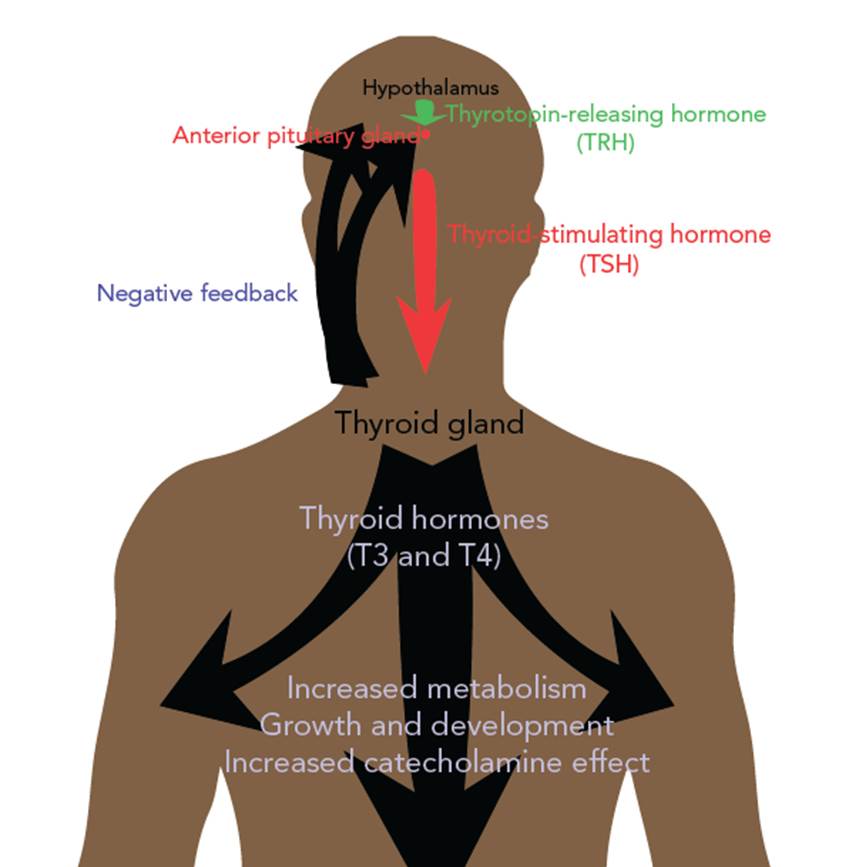
Interpreting TFTs can be daunting and requires a rudimentary understanding of how thyroid hormones are produced and released. As demonstrated in Figure 3, the release rates of T3 and T4 are controlled by the anterior pituitary gland and the hypothalamus, which act as sensory controllers. The hypothalamus initiates the process by secreting thyrotropin-releasing hormone (TRH). TRH is essentially the first thyroid messenger signal, as it stimulates the release of thyroid-stimulating hormone (TSH) from the anterior pituitary gland. TSH is critical in modulating the release of T4, which is then converted to T3. The amount of TSH that the pituitary releases into the bloodstream depends on the amount of T4 that the pituitary perceives, as it functions on a negative feedback system. The pituitary constantly monitors T3 and T4 levels and responds to changes to maintain an appropriate balance. If the pituitary senses insufficient T4, it will ramp up the TSH production, signaling the thyroid gland to produce more T4. Once the T4 level in the blood reaches a specific threshold, TSH production decreases (Rogers & Brashers, 2023).
Figure 3
Thyroid Hormones
Thyroid disease is most characterized as overactive (hyperthyroidism) or underactive (hypothyroidism). Hypothyroidism is classified as primary or secondary, with primary being much more common. Hashimoto's thyroiditis, an autoimmune disease that causes the body to attack the thyroid gland, is the most common cause of primary hypothyroidism in the United States. Secondary hypothyroidism is caused by the failure of the pituitary gland or hypothalamic disease, whereby the body does not make adequate amounts of TSH to stimulate the release of T3 and T4 (Boucai, 2026b). The differential diagnosis for hyperthyroidism is more complex and includes thyrotoxicosis, Graves' disease, and subacute thyroiditis. The main distinction between hyperthyroidism and thyrotoxicosis is in the underlying pathophysiology of the hormones. Hyperthyroidism is characterized by increased production and secretion of T3 and T4 by the thyroid gland and includes three primary subtypes: thyrotoxicosis, Graves' disease, and subacute thyroiditis. Thyrotoxicosis is a clinical disorder characterized by excess circulating T3 and T4, regardless of the source. Graves' disease is an autoimmune disorder that leads to hyperthyroidism, as the body attacks the thyroid gland, inducing overactivity. While it shares many of the same symptoms of hyperthyroidism, Graves' disease has characteristic physical signs, including exophthalmos (prominence of the eyes), goiter, and extraocular muscle weakness (Boucai, 2026a). Table 5 outlines the most common clinical features of hypothyroidism and hyperthyroidism.
Table 5
Clinical Features of Hypothyroidism Versus Hyperthyroidism
Hypothyroidism | Hyperthyroidism |
Depression | Anxiety, irritability |
Physical tiredness | Fatigue, restlessness |
Weight gain | Weight loss despite increased appetite |
Coarse, dry skin | Hair loss |
Hoarseness | Tremors |
Cold intolerance | Heat intolerance |
Diminished sweating | Increased sweating |
Constipation | Increased frequency of stools |
Menorrhagia | Amenorrhea or oligomenorrhea |
(Boucai, 2026a, 2026b)
A thyroid panel typically comprises three main tests: free T4 (FT4), free T3 or total T3, and TSH, described in Table 6. TSH levels drawn in a fasting state compared to nonfasting show only minor variability. Early morning fasting results in higher TSH levels than afternoon testing in patients who did not fast, with the difference being clinically insignificant. Before TFTs, patients should be screened for iodine contrast administration within the previous 10 days, as the thyroid can take up iodine and skew results. TFT results can be altered in pregnant patients or those who take estrogen medications such as oral contraceptives or hormone replacement therapy (Fischbach et al., 2022; Kumari et al., 2023).
Table 6
Thyroid Panel
Test | Reference Range |
Thyroid-stimulating hormone (TSH) | 0.5–4.0 μU/mL (0.5–4.0 mU/L) |
Thyroxine (T4, total) Free thyroxine (FT4) | 5–12 μg/dL 0.8–1.8 ng/dL |
Triiodothyronine (T3, total) Triiodothyronine (T3, Reverse) Triiodothyronine (T3, free) | 80–180 ng/dL 20–40 ng/dL 2.3–4.2 pg/mL |
(ABIM, 2026)
Thyroid-Stimulating Hormone
TSH is the first-line screening test for patients with suspected thyroid dysfunction. The level of circulating TSH in the blood is used to determine whether the thyroid is functioning correctly, overactive, or underactive. If the TSH is high, the thyroid gland is not producing enough T3 or T4, which would raise clinical suspicion for primary hypothyroidism. Conversely, a low TSH usually suggests that the thyroid is producing too much T3 and T4, raising clinical suspicion of hyperthyroidism. Less commonly, a low TSH level may be caused by a pituitary gland or hypothalamus condition, preventing the body from producing adequate TSH to stimulate the release of T3 and T4. This condition is referred to as secondary hypothyroidism (Ross, 2025). The most recent guideline from the US Preventive Services Task Force (USPSTF) recommends that multiple tests over 3–6 months be performed to confirm TSH results outside of the reference range (USPSTF, 2015).
T4 Tests
T4 can be measured as total T4 or FT4. Total T4 measures both free and bound T4, whereas FT4 measures the T4 hormone that is freely circulating in the blood and available for use. FT4 is more commonly performed as it provides the most insight into the severity of a potential thyroid condition. FT4 is most accurate when performed in conjunction with TSH; therefore, these tests are usually ordered together (Ross, 2025). When interpreting the FT4, the APRN should consider medications that are commonly associated with elevations of the FT4, such as:
- amiodarone (Pacerone)
- furosemide (Lasix)
- phenytoin (Dilantin)
- iodine contrast agents
- oral contraceptives
- propranolol (Inderal) (Fischbach et al., 2022)
T3 Tests
T3 can be measured as total T3 or free T3; however, free T3 is less reliable and is typically not clinically indicated in suspected thyroid disease. Total T3 testing is reserved for detecting hyperthyroidism or determining its severity. T3 testing is not clinically useful in detecting hypothyroidism, as the TSH and FT4 are typically identified earlier in disease progression than the T3 level. Even patients with severe hypothyroidism may present with a T3 that is within the reference range. Reverse T3 is another thyroid test that is less commonly performed. It measures inactive thyroid hormone and is indicated only for evaluating patients with suspected hyperthyroidism (Ross, 2025). Clinicians must determine the TSH first when interpreting TFTs individually. If the TSH is within the reference range, then no further testing is indicated. If the TSH is high, hypothyroidism is suspected, and the FT4 should be evaluated to determine the degree of hypothyroidism. If the TSH is low, FT4 and T3 should be added to determine the degree of hyperthyroidism. Figure 4 presents a clinical algorithm for thyroid function testing in suspected thyroid disease and follow-up monitoring recommendations for nonpregnant adults (Ross, 2025; Wilson et al., 2021). The most common thyroid conditions classified by TSH and FT4 values are outlined in Table 7.
Figure 4
Interpreting Thyroid Function Testing
(Flowchart based on BCGuidelines.ca, 2018; Mounsey et al., 2025; Wilson et al., 2021)
Table 7
Thyroid Conditions
Diagnosis | Thyroid-stimulating hormone () | Free thyroxine (FT4) |
Healthy thyroid | Within reference range | Within reference range |
Hyperthyroidism (i.e., thyrotoxicosis, Graves’ disease) | ↓ | ↑ |
Primary hypothyroidism | ↑ | ↓ |
Secondary hypothyroidism | ↓ | ↓ |
(Ross, 2025)
Thyroid Antibody Tests
Thyroid antibody tests are a separate subtype of TFTs that measure thyroid antibody levels in the blood. Thyroid peroxidase antibody, or antithyroid peroxidase antibodies (TPO), is one of the most common antibody tests currently used in clinical practice. It is performed to determine if thyroid disease, such as in Graves' or Hashimoto’s disease, has an autoimmune etiology. Thyroglobulin antibody (Tg) testing may demonstrate elevated levels in both Graves' and Hashimoto's thyroiditis. Although the presence of these antibodies can contribute to the initial diagnosis, there is no benefit to monitoring their levels over time. The levels of these antibodies do not indicate disease severity or treatment response. The presence of thyroid-stimulating immunoglobulin (TSI) or TSH-receptor-thyrotropin receptor antibody (TRAb) strongly supports a diagnosis of Graves' disease. Clinicians should monitor TSI or TRAb levels over time to determine the effectiveness and duration of treatment (Ross, 2025).
Fasting Blood Glucose (FBG) and Glycated Hemoglobin (HbA1C)
FBG and HbA1C are used to diagnose and monitor diabetes. Diabetes is a multifaceted endocrine disorder occurring primarily due to carbohydrate metabolism dysfunction, contributing to insulin resistance. The FBG is one of the most common routine tests and is a key diagnostic marker for diabetes. The test can be performed by drawing a blood sample or as a simple fingerstick with a glucometer. Patients should be advised to fast for at least 8 hours before the FBG test to ensure accurate results. Patients may drink water and take prescription medications but should not take anything else by mouth. The FBG should range between 70 and 99 mg/dL. Diabetes is defined as an FBG of 126 mg/dL (7.0 mmol/L) or higher, whereas an FBG of 100 mg/dL (5.6 mmol/L) to 125 mg/dL (6.9 mmol/L) is categorized as prediabetes. Prediabetes is the precursor to diabetes, in which the blood glucose levels are elevated but not high enough to meet the diagnostic classification of diabetes. The HbA1C test measures the average blood glucose levels over the past three months. The patient is not required to fast before the HbA1C test. The HbA1C level for adults without diabetes should be less than 5.7%. Diabetes is currently defined as an HbA1C of 6.5% or higher, whereas an HbA1C of 5.7%–6.4% is considered prediabetes. An oral glucose tolerance test (OGTT) can also be used for diagnostic purposes. Diabetes is currently defined as a blood glucose level 2 hours after the glucose load above 200 mg/dL. The APRN should be aware that an isolated elevated FBG or HbA1C level is not considered sufficient for a diabetes diagnosis unless overt indications of classic hyperglycemia (polyuria, polydipsia, and unexplained weight loss) are present. In an asymptomatic patient with an elevated FBG or HbA1C, confirmation should be obtained with a different test at the same time or by repeating the test on a subsequent day. A random plasma glucose over 200 mg/dL in a symptomatic patient is diagnostic for diabetes and does not need to be repeated (ADA Professional Practice Committee for Diabetes, 2026; National Institute of Diabetes and Digestive and Kidney Diseases, 2020). The diagnostic criteria for prediabetes and diabetes are listed in Table 8.
Table 8
Diabetes Diagnosis
Diagnostic Test | Reference Range | Criteria for Prediabetes | Criteria for Diabetes |
Fasting blood glucose | 70–99 mg/dL | 100–125 mg/dL | >126 mg/dL |
Glycated hemoglobin (HbA1c) | <5.7% | 5.7%-6.4% | >6.5% |
2-hour post glucose during oral glucose tolerance test (OGTT) | <140 mg/dL | 140–199 mg/dL | >200 mg/dL |
(ADA Professional Practice Committee for Diabetes, 2026)
Coagulation Profile
A coagulation profile measures the blood's clotting capacity and typically includes the prothrombin time (PT), international normalized ratio (INR), activated partial thromboplastin time (aPTT), platelets, and fibrinogen. These tests are performed routinely before surgery to ensure patient safety, to evaluate why a patient is experiencing excessive bruising or bleeding, or as a screening test for an underlying blood or blood-clotting disorder, or to monitor anticoagulant therapy. The reference ranges for a coagulation profile are listed in Table 9. PT is measured in seconds and refers to the amount of time it takes for the plasma portion of the blood to clot. The INR is a standardized number calculated from the PT result (Fischbach et al., 2022; Shikdar et al., 2025; Zehnder, 2025).
The INR is primarily monitored in patients receiving anticoagulant therapy (blood-thinning medications), such as warfarin (Coumadin). Patients prescribed warfarin (Coumadin) must undergo routine coagulation blood tests at least monthly, but testing may occur more frequently if the results are variable. The INR test ensures the patient’s blood clotting time is within a safe and effective range, as the warfarin (Coumadin) dose is adjusted based on the INR result. Elevated INR levels indicate a higher risk for bleeding due to the blood's impaired ability to clot. While on warfarin (Coumadin), the INR must not exceed therapeutic thresholds; otherwise, the risk of bleeding heightens. Similarly, blood clots may not be prevented if the patient’s INR is too low. For most warfarin (Coumadin) therapy patients, an INR of 2.0 to 3.0 is generally considered an effective therapeutic range. The aPTT test is performed alongside the PT/INR in patients with suspected bleeding or blood-clotting disorders. While the PT test assesses how well all the coagulation factors in the extrinsic and common pathways of the coagulation cascade function collectively, the aPTT evaluates the clotting factors in the intrinsic and common pathways (Fischbach et al., 2022; Shikdar et al., 2025; Zehnder, 2025).
Fibrinogen is a plasma glycoprotein synthesized within the liver that helps control bleeding by assisting with blood clot formation. A low fibrinogen level may be due to fibrinolysis (the breakdown of fibrin), congenital or acquired fibrinogen deficiency, or a condition in which the body uses too much fibrinogen (disseminated intravascular coagulation [DIC]). An imbalance of these components poses a risk of acute bleeding, hemorrhage, and death (Fischbach et al., 2022)
Table 9
Coagulation Profile
Test | Reference Range |
Prothrombin time (PT) | 11–13 seconds |
International normalized ratio (INR) | 0.8–1.1 |
Activated partial thromboplastin time (aPTT) | 25–35 seconds |
Platelets | 150,000–450,000/μL |
Fibrinogen | 200–400 mg/dL |
(ABIM, 2026; Fischbach et al., 2022)
Evidence-Based Practice
Diagnostic testing is a useful tool in diagnosing and monitoring patients, both with and without disease. Inappropriately ordering laboratory tests contributes to our ever-increasing health care costs and can lead to overdiagnosis. The ADA, American Heart Association, American College of Cardiology, and the US Food and Drug Administration have provided specific guidelines for the use of the most common tests discussed in this article. Guidelines are provided for the frequency of preventive screening and disease testing, as well as for testing during disease monitoring. A comprehensive patient history can guide the identification of risks for diseases that warrant more frequent testing than is typical for the general population. Following established guidelines can reduce inappropriate testing and decrease costs (Glauser, 2022).
References
Alebna, P. L., & Mehta, A. (2023, September 19). An update on lipoprotein(a): The latest on testing, treatment, and guideline recommendations. American College of Cardiology. https://www.acc.org/latest-in-cardiology/articles/2023/09/19/10/54/an-update-on-lipoprotein-a
American Board of Internal Medicine. (2026). ABIM laboratory test reference ranges—January 2026. https://www.abim.org/Media/bfijryql/laboratory-reference-ranges.pdf
American Diabetes Association Professional Practice Committee for Diabetes. (2026). Diagnosis and classification of diabetes: Standards of care in diabetes—2026. Diabetes Care, 49(Suppl. 1), S27–S49. https://doi.org/10.2337/dc26-S002
Arnold, D. M., & Cuker, A. (2025). Diagnostic approach to thrombocytopenia in adults. UpToDate. Retrieved April 16, 2026, from https://www.uptodate.com/contents/diagnostic-approach-to-thrombocytopenia-in-adults
BCGuidelines.ca. (2018). Thyroid function testing in the diagnosis and monitoring of thyroid function disorder. https://www2.gov.bc.ca/assets/gov/health/practitioner-pro/bc-guidelines/thyroid-function-testing.pdf
Berliner, N. (2026). Approach to the adult with unexplained neutropenia. UpToDate. Retrieved April 16, 2026, from https://www.uptodate.com/contents/approach-to-the-adult-with-unexplained-neutropenia
Blumenthal, R. S., Morris, P. B., Gaudino, M., Johnson, H. M., Anderson, T. S., Bittner, V. A., Blankstein, R., Brewer. L. C., Cho, L., de Ferranti, S. D., Gianos, E., Gluckman, T. J., Gradney, K. F., Isiadinso, I., Lloyd-Jones, D. M., Marrs, J. C., Martin, S. S., McLain, K. H., Mehta, L. S., … Wilkins, J. T. (2026). ACC/AHA/AACVPR/ABC/ACPM/ADA/AGS/APhA/ASPC/NLA/PCNA Guideline on the management of dyslipidemia: A report of the American College of Cardiology/American Heart Association Joint Committee on Clinical Practice Guidelines. Circulation, 1–123. https://www.ahajournals.org/doi/10.1161/CIR.0000000000001423
Boucai, L. (2026a). Hyperthyroidism. Merck Manual Professional Version. https://www.merckmanuals.com/professional/endocrine-and-metabolic-disorders/thyroid-disorders/hyperthyroidism
Boucai, L. (2026b). Hypothyroidism. Merck Manual Professional Version. https://www.merckmanuals.com/professional/endocrine-and-metabolic-disorders/thyroid-disorders/hypothyroidism
Cai, Y., Zhao, Y., Dai, Q., XU, M., XI, X., & Xia, W. (2021). Prognostic value of the albumin-globulin ratio and albumin-globulin score in patients with multiple myeloma. Journal of International Medical Research, 49(3), 1–12. http://dx.doi.org/10.1177/0300060521997736
Coates, T. D. (2024). Approach to the patient with neutrophilia. UpToDate. Retrieved April 16, 2026, from https://www.uptodate.com/contents/approach-to-the-patient-with-neutrophilia
Doles, N., Ye Mon, M., Shaikh, A., Mitchell, S., Patel, D., Seehusen, D., & Singh, G. (2025). Interpreting normal values and reference ranges for laboratory testing. Journal of the American Board of Family Medicine, 38(1), 174–179. https://doi.org/10.3122/jabfm.2024.240224R1
Fischbach, F. T., Fischbach, M. A., & Stout, K. (2022). A Manual of Laboratory and Diagnostic Tests (11th ed.). Walters Kluwer.
Friedman, L. S. (2025). Overview of liver biochemical tests. UpToDate. Retrieved April 17, 2026, from https://www.uptodate.com/contents/overview-of-liver-biochemical-tests
George, T. I. (2026). Automated complete blood count (CBC). UpToDate. Retrieved April 16, 2026, from https://www.uptodate.com/contents/automated-complete-blood-count-cbc
Glauser, E. (2022). Implementing an evidence-based protocol to reduce inappropriate laboratory test ordering. The Journal for Nurse Practitioners, 18(10), 1078–1080. https://doi.org/10.1016/j.nurpra.2022.05.021
Goltzman, D. (2025). Clinical manifestations of hypocalcemia. UpToDate. Retrieved April 17, 2026, from https://www.uptodate.com/contents/clinical-manifestations-of-hypocalcemia
Goltzman, D. (2026). Etiology of hypocalcemia in adults. UpToDate. Retrieved April 17, 2026, from https://www.uptodate.com/contents/etiology-of-hypocalcemia-in-adults
Inker, L. A., & Perrone, R. D. (2026). Assessment of kidney function. UpToDate. Retrieved April 17, 2026, from https://www.uptodate.com/contents/assessment-of-kidney-function
Joseph, J. J., Deedwania, P., Acharya, T., Aguilar, D., Bhatt, D. L., Chyun, D. A., Di Palo, K. E., Golden, S. H., & Sperling, L. S. (2022). Comprehensive management of cardiovascular risk factors for adults with type 2 diabetes: A scientific statement from the American Heart Association. Circulation, 145(9), e722–e759. https://doi.org/10.1161/CIR.0000000000001040
Kidney Disease Improving Global Outcomes. (2021). 2021 clinical practice guideline for the management of glomerular disease. Kidney International, 100(45), S1–S276. https://kdigo.org/wp-content/uploads/2017/02/KDIGO-Glomerular-Diseases-Guideline-2021-English.pdf
Kumari, S. J., Abraham, M., & Ayyar, V. (2023). Is fasting necessary for thyroid-stimulating hormone estimation? Role of analytical and biological variation in the interpretation of the results. Journal of Clinical and Scientific Research, 12(4), 253–256. https://doi.org/10.4103/jcsr.jcsr_11_23
Levey, A. S., & Inker, L. A. (2025). Definition and staging of chronic kidney disease in adults. UpToDate. Retrieved April 17, 2026, from https://www.uptodate.com/contents/definition-and-staging-of-chronic-kidney-disease-in-adults
Mounsey, A., Paulus, R., & Roten, W. (2025). Hyperthyroidism: Diagnosis and treatment. American Family Physician, 112(2), 146–152. https://www.proquest.com/docview/3239757253?accountid=14762&sourcetype=Scholarly%20Journals
Mount, D. B. (2024a). Causes of hypokalemia in adults. UpToDate. Retrieved April 16, 2026, from https://www.uptodate.com/contents/causes-of-hypokalemia-in-adults
Mount, D. B. (2024b). Clinical manifestations and treatment of hypokalemia in adults. UpToDate. Retrieved April 16, 2026, from https://www.uptodate.com/contents/clinical-manifestations-and-treatment-of-hypokalemia-in-adults
Mount, D. B. (2025). Causes and evaluation of hyperkalemia in adults. UpToDate. Retrieved April 16, 2026, from https://www.uptodate.com/contents/causes-and-evaluation-of-hyperkalemia-in-adults
National Institute of Diabetes and Digestive and Kidney Diseases. (2020). Diabetes & prediabetes tests. Retrieved April 17, 2026, from https://www.niddk.nih.gov/health-information/professionals/clinical-tools-patient-management/diabetes/diabetes-prediabetes
National Library of Medicine. (n.d.). Total protein and albumin/globulin (A/G) ratio. Retrieved April 20, 2026, from https://medlineplus.gov/lab-tests/total-protein-and-albumin-globulin-a-g-ratio/
National Library of Medicine. (2024, October 14). CBC blood test. https://medlineplus.gov/ency/article/003642.htm
Roberts, W. S., Delladio, W., Price, S., Murawaski, A., & Nguyen, H. (2023). The efficacy of albumin-globulin ratio to predict prognosis in cancer patients. International Journal of Clinical Oncology, 28(9), 1101-1111. https://doi.org/10.1007/s10147-023-02380-4
Rogers, J. L., & Brashers, V. L. (Eds.). (2023). McCance and Huether's Pathophysiology: The biologic basis for disease in adults and children (9th ed.). Elsevier.
Rosen, H. N. (2025). Bone physiology and biochemical markers of bone turnover. UpToDate. Retrieved April 20, 2026, from https://www.uptodate.com/contents/bone-physiology-and-biochemical-markers-of-bone-turnover
Rosenson, R. S. (2025). Measurement of blood lipids and lipoproteins. UpToDate. Retrieved April 20, 2026, from https://www.uptodate.com/contents/measurement-of-blood-lipids-and-lipoproteins
Rosenson, R. S., & Eckel, R. H. (2025). Hypertriglyceridemia in adults: Approach to evaluation. UpToDate. Retrieved April 17, 2026, from https://www.uptodate.com/contents/hypertriglyceridemia-in-adults-approach-to-evaluation
Rosenson, R. S., & Hegele, R. A. (2026). Familial hypercholesterolemia in adults: Overview. UpToDate. Retrieved April 17, 2026, from https://www.uptodate.com/contents/familial-hypercholesterolemia-in-adults-overview
Ross, D. S. (2025). Laboratory assessment of thyroid function. UpToDate. Retrieved June 20, 2023, from https://www.uptodate.com/contents/laboratory-assessment-of-thyroid-function
Roy-Chowdhury, N., & Roy-Chowdhury, J. (2025a). Bilirubin metabolism. UpToDate. Retrieved April 17, 2026, from https://www.uptodate.com/contents/bilirubin-metabolism
Roy-Chowdhury, N., & Roy-Chowdhury, J. (2025b). Diagnostic approach to the adult with jaundice or asymptomatic hyperbilirubinemia. UpToDate. Retrieved April 17, 2026, from https://www.uptodate.com/contents/diagnostic-approach-to-the-adult-with-jaundice-or-asymptomatic-hyperbilirubinemia
Saiman, Y. (2025). Laboratory tests of the liver and gallbladder. Merck Manual Professional Version. https://www.merckmanuals.com/professional/hepatic-and-biliary-disorders/testing-for-hepatic-and-biliary-disorders/laboratory-tests-of-the-liver-and-gallbladder
Selchick, F. (2020). Laboratory report flagging abnormal results [Image].
Shane, E. (2025). Diagnostic approach to hypercalcemia. UpToDate. Retrieved April 17, 2026, from https://www.uptodate.com/contents/diagnostic-approach-to-hypercalcemia
Shikdar, S., Vashisht, R., Zubair, M., & Bhattacharya, P. T. (2025). International normalized ratio: Assessment, monitoring, and clinical implications. In StatPearls. StatPearls Publishing. https://www.ncbi.nlm.nih.gov/books/NBK507707
Sterns, R. H. (2026). Manifestations of hyponatremia and hypernatremia in adults. UpToDate. Retrieved April 16, 2026, from https://www.uptodate.com/contents/manifestations-of-hyponatremia-and-hypernatremia-in-adults
Tefferi, A. (2024). Polycythemia vera and secondary polycythemia: Treatment and prognosis. UpToDate. Retrieved April 16, 2026, from https://www.uptodate.com/contents/polycythemia-vera-and-secondary-polycythemia-treatment-and-prognosis
Tefferi, A., & Garcia, J. S. (2026). Diagnostic approach to the patient with erythrocytosis/polycythemia. UpToDate. Retrieved April 16, 2026, from https://www.uptodate.com/contents/diagnostic-approach-to-the-patient-with-erythrocytosis-polycythemia
Testing.com. (2021). Deciphering your lab report. https://www.testing.com/articles/how-to-read-your-laboratory-report
US Preventive Services Task Force. (2015). Thyroid dysfunction: Screening. https://www.uspreventiveservicestaskforce.org/uspstf/recommendation/thyroid-dysfunction-screening
Wilson, S. A., Stem. L. A., & Breuhlman, R. D. (2021). Hypothyroidism: Diagnosis and treatment. American Family Physician, 103(10), 605–613. https://www.ncbi.nlm.nih.gov/books/NBK285548
Zehnder, J. L. (2025). Clinical use of coagulation tests. UpToDate. Retrieved April 17, 2026, from https://www.uptodate.com/contents/contents/clinical-use-of-coagulation-tests
Powered by Froala Editor