About this course:
This course aims to ensure that nurses understand the pathophysiology, risk factors, and current diagnostic and management guidelines of the primary types of diabetes.
Course preview
Diabetes (for Nurses)
This course aims to ensure that nurses understand the pathophysiology, risk factors, and current diagnostic and management guidelines of the primary types of diabetes.
Upon completion of this module, learners should be able to:
- describe the statistical data regarding diabetes in the United States, including prevalence and significance
- explain the pathophysiology of the primary forms of diabetes
- discuss the risk factors for diabetes
- explore the diagnostic guidelines for diabetes
- define evidence-based care for the management of diabetes
- recognize complications of diabetes and opportunities to decrease the risk
In 2023, about 1.5 million adults were newly diagnosed with diabetes mellitus (DM), with the incidence of diagnoses higher in adults aged 45 to 64 than in those aged 65 and older. Diabetes incidence rates had peaked in 2008, and the trend of new cases declined significantly until 2020. There has been a recent increase in diabetes incidence, but the rate of increase is not statistically significant. In 2023, an estimated 40.1 million individuals of all ages in the United States, or 12% of the population, had some form of diabetes, both diagnosed and undiagnosed. In the same timeframe, 364,000 children and adolescents under the age of 20 were diagnosed with diabetes (Centers for Disease Control and Prevention [CDC], 2026b). In the United States, $1 of every $4 health care dollars is spent on diabetes, making it the most expensive chronic condition. Prescription medications and supplies needed to manage diabetes contribute to these costs. The direct costs of diabetes care amount to $307 billion per year, with an additional $106 billion in lost productivity. The complications of diabetes are contributing to rising health care costs, with the complication rate increasing in young and middle-aged adults. The estimated cost of diabetes complications in the Medicare population is $5,876 per person per year (CDC, 2024d; Parker et al., 2024).
Statistical Data in the United States
A tremendous amount of data is gathered each year on diabetes. Identifying at-risk individuals and populations is essential to providing targeted education and prevention information. In the United States between 2021 and 2023, among individuals aged 18 years or older, when categorized by ethnic group, Indigenous people had the highest prevalence of diagnosed diabetes, totaling 15.7% of cases. The next highest groups were non-Hispanic Black individuals (12.2%), Hispanic individuals (11.8%), Asian Americans (9.7%), and non-Hispanic White individuals (7.1%). When US adults with diabetes were categorized by education level, adults with less than a high school diploma had the highest prevalence rate at 13.3%, followed by those with a high school diploma at 9.9%, and those with a college education at 7%. When categorized by income, adults with family income below the federal poverty level (FPL) had the highest prevalence at 13%, compared with 5.5% for families with income at 500% or higher of the FPL. Approximately 53.2% of people with diabetes have a glycated hemoglobin (HbA1c) value greater than 7%, the recommended level set by the American Diabetes Association (ADA), with 19% having an HbA1c greater than 9% (CDC, 2026b).
While the national median in 2023 indicated that 10.3% of the US adult population has diabetes, the state with the highest prevalence is West Virginia at 15%, and the lowest is Vermont at 7.7%. The territories of Guam and Puerto Rico both had a prevalence of 16%. Most southern states have double-digit prevalence rates, including Texas (12.0%), Louisiana (14.5%), Arkansas (13%), Mississippi (14.7%), Alabama (13.7%), Georgia (11.4%), South Carolina (12.6%), Kentucky (12.9%), and Tennessee (12.7%). The prevalence of type 1 diabetes mellitus (T1DM) and type 2 diabetes mellitus (T2DM) is rising in children, with 21,732 children under the age of 18 diagnosed with T1DM in 2022 and 28,051 diagnosed with T2DM (CDC, 2026b). The SEARCH for Diabetes in Youth study was a large, multicenter observational study that followed children aged 19 and younger for 17 years. Data from this study report an increase in the prevalence of diabetes in this age group compared to rates prior to 2000. The highest prevalence was among minority populations, with non-Hispanic White children demonstrating the lowest prevalence rate. The annual incidence rate among participants was 2% for T1DM and 5.3% for T2DM. T1DM had a peak incidence at 10 years of age, whereas T2DM showed a peak at 16 years. Statistical calculations from the SEARCH study suggest a projected 6-fold increase in youth-onset T2DM by 2050, sounding the alarm about the need for diabetes prevention strategies (Nadeau et al., 2025; Wagenknecht et al., 2023).
In addition to the high number of individuals diagnosed with some form of diabetes, the CDC estimates that over 115 million US adults (43.5%) over age 18 have prediabetes, a significant number of whom remain undiagnosed and unaware of their risk or condition. Only 21% of adults with prediabetes report being told by their provider that the condition is present. This provides an opportunity for education, screening, and prevention measures (CDC, 2026b). In 1996, the National Institutes of Health funded the Diabetes Prevention Program clinical trial to evaluate the effect of lifestyle intervention in individuals at high risk for diabetes. Participants were followed for 3 years and randomized to lifestyle changes, initiation of metformin for prevention, or placebo. Results demonstrated that participants in the lifestyle change group reduced their risk of developing T2DM by 58% compared to 31% in those who used metformin (Glucophage). The Diabetes Prevention Program Outcomes Study (DPPOS) continued to follow study participants for an additional 15 years to assess the development of diabetes and chronic health conditions. At the 15-year follow-up, the development of diabetes was delayed by 27% in the lifestyle change participants and 18% in the metformin group, compared with the placebo group (National Institute of Diabetes and Digestive and Kidney Diseases [NIDDK], 2021c). These findings led the CDC to establish the National Diabetes Prevention Program (DPP) in 2010 to provide evidence-based interventions of diet and physical activity to prevent T2DM to the general public. As of 2024, the DPP has had 750,000 participants. Evaluation of data from 2 years of DPP participation demonstrated a 2.8% reduction in the risk of developing diabetes and a $4,600 reduction in direct medical costs per participant. This would suggest that long-term participation will continue to benefit the prediabetic population (CDC, 2024d; Kuo et al., 2025).
A 2022 analysis of the cost of diabetic care found the economic burden is significant. Prescription medications for the management of diabetes, including insulin products, accounted for 44% of total direct medical costs, a 15.6% increase from 2012. There is also increased...
...purchase below to continue the course
Pathophysiology and Risk Factors of Diabetes
DM is a chronic disease that affects multiple body systems due to abnormal insulin production, impaired insulin action, insulin resistance, or a combination of these factors. If inadequately treated, DM can lead to severe complications. DM is the leading cause of end-stage renal disease, blindness, and nontraumatic lower-limb amputations. DM is also a significant contributing factor to hypertension (HTN), cardiovascular disease (CVD), and stroke, all of which lead to premature death (Robertson & Udler, 2026).
Normal Glucose Metabolism
To understand the pathogenesis and management of diabetes, it is imperative to appreciate the complex body systems that regulate normal glucose metabolism. Diabetes is caused by a combination of genetic, autoimmune, and environmental factors, including viruses and elevated body weight. Multiple pancreatic secretions are responsible for glucose control in the body. Insulin synthesis begins with its precursor, proinsulin. Enzymes split proinsulin to make insulin and C-peptide in equal amounts. C-peptide is a valuable marker of pancreatic ß-cell function and can be measured in urine and blood. Normal insulin metabolism occurs through the continuous release of insulin by the ß (beta)-cells in the islets of Langerhans of the pancreas (refer to Figure 1). The average daily insulin secretion in a healthy adult is 40 to 50 U, or 0.6 U/kg body weight. Insulin acts as an anabolic or storage hormone in the body. The insulin secreted during food intake promotes glucose transport into cells for energy by activating receptor sites in skeletal muscle and adipose tissue. Skeletal muscles and adipose tissue are considered insulin-dependent; the brain, liver, and blood cells do not depend on insulin and only require an adequate supply of glucose for normal functioning. When blood glucose (BG) levels are low, pancreatic alpha cells secrete glucagon, which stimulates the breakdown of glycogen to glucose in the liver for use (glycogenolysis). By contrast, pancreatic delta cells secrete somatostatin to inhibit glucagon release during hyperglycemia, helping normalize glucose levels. While liver cells (hepatocytes) are not insulin-dependent, they have receptors that promote glucose uptake into the liver and its subsequent conversion to glycogen (glycogenesis). As BG rises after a meal, glucose is stored as glycogen in the liver and muscles. Concurrently, insulin secretion inhibits glucose production from nonsugar substances (gluconeogenesis), enhances adipose tissue deposition, and increases protein synthesis. The reduced insulin levels that occur overnight (or during periods of fasting) cause the liver to release glucose, the muscles to release proteins, and the adipose tissue to release fat (Dlugasch & Story, 2024).
Figure 1
The pancreas
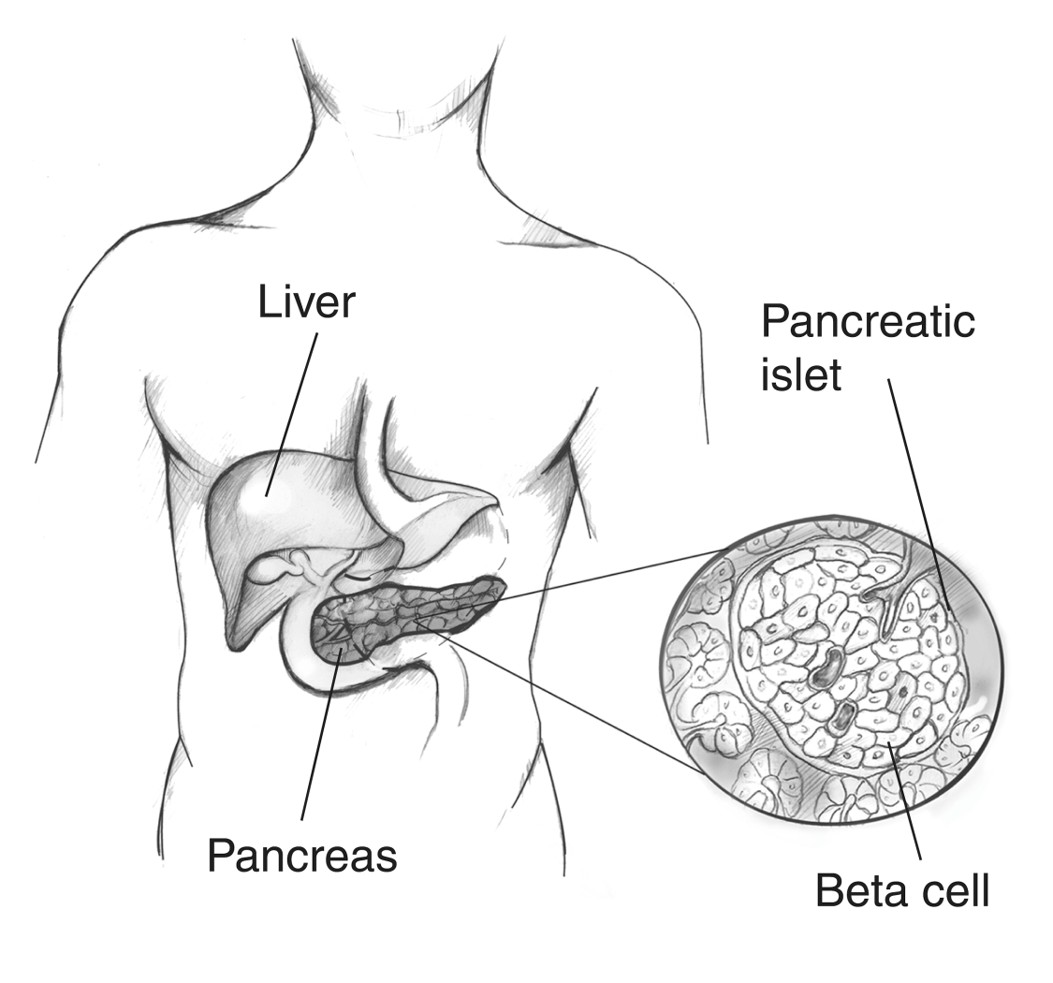
(NIDDK, n.d.-a)
Counterregulatory hormones such as glucagon, epinephrine, growth hormone, and cortisol work to oppose the effects of insulin (refer to Figure 2). They increase BG by stimulating glucose production and liver output, and by decreasing the movement of glucose into cells. Insulin secretion is designed to maintain a stable BG level of 70 to 120 mg/dL based on the time of day and the time since the last meal. The normal range of BG levels is typically maintained by regulating glucose release for energy during fasting and after food intake, and by regulating the production and release of insulin and counterregulatory hormones (Dlugasch & Story, 2024). Normal glucose levels are defined as a fasting plasma glucose (FPG) less than 100 mg/dL, an HbA1c less than 5.7%, and a glucose level less than 140 mg/dL 2 hr after consuming 75 g of glucose (ADA, 2026).
Figure 2
The regulation of blood glucose
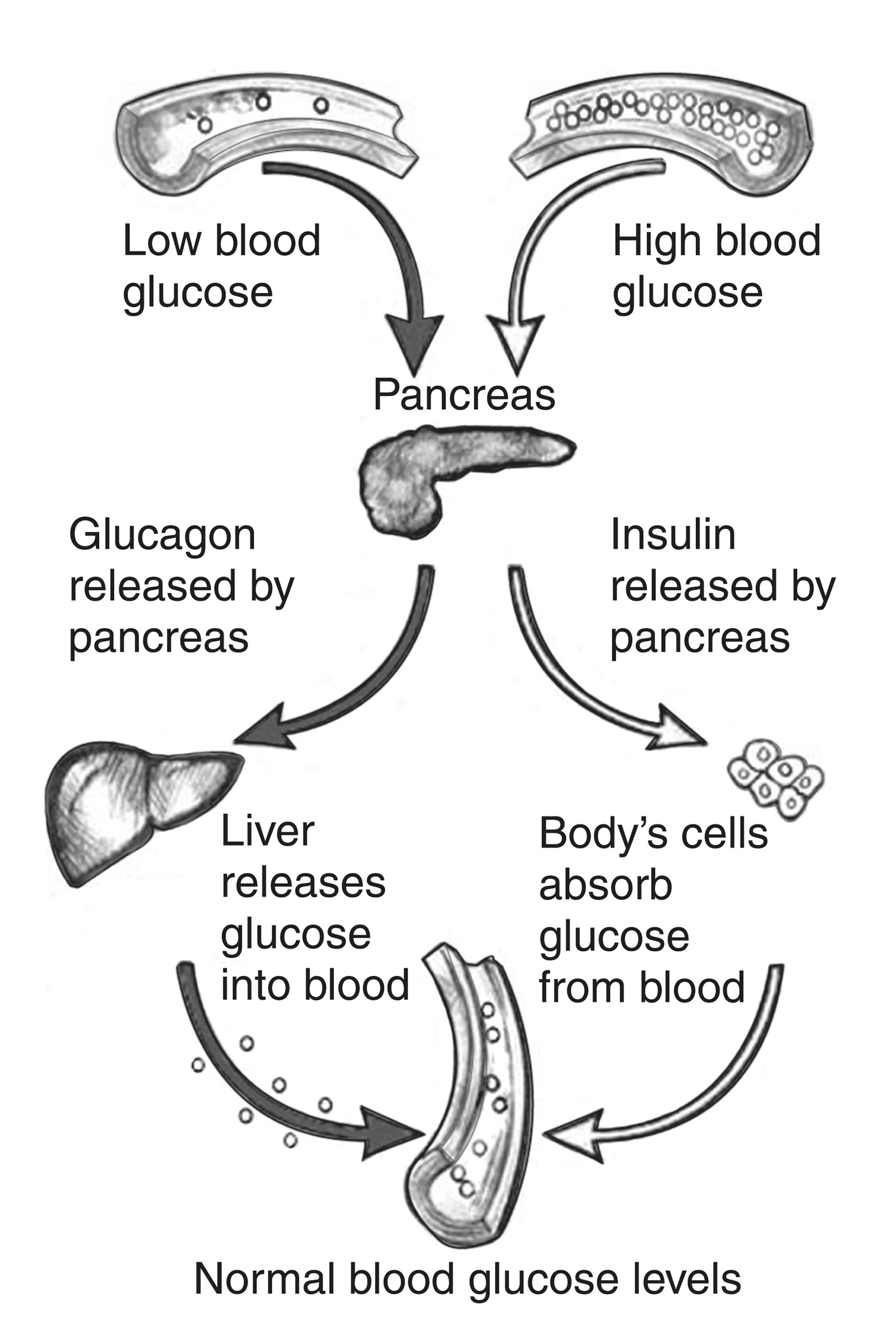
(NIDDK, n.d.-c)
Type 1 Diabetes Mellitus
T1DM is characterized by the autoimmune destruction of pancreatic ß-cells, leading to the complete absence of insulin production. A genetic predisposition is typically compounded by exposure to a virus that contributes to the development of this autoimmune condition. This indicates that a combination of genetic and environmental factors underlies its etiology, rendering its occurrence difficult to predict. The pathogenesis of T1DM is different from that of T2DM, which will be discussed later. Autoantibodies targeting pancreatic islet cells reduce normal function before other symptoms of T1DM appear. The genetic component of T1DM is primarily (40%–50%) related to the human leukocyte antigens (HLAs), also called the major histocompatibility complex (MHC). Specific HLA genotypes, the combination of HLA alleles inherited from two genetic parents, increase the risk of developing T1DM. When these at-risk individuals are exposed to viral infections, the pancreatic ß-cells can be destroyed. Twin studies indicate that T1DM occurs in nonidentical twins at the same rate as in siblings; however, in identical twins, both were diagnosed with T1DM in over 50% of cases. There are three stages of T1DM. In stage 1, ß-cell autoimmunity has begun, although glucose metabolism remains within a normal glycemic range with no overt manifestations. In stage 2, there is continued ß-cell autoimmunity, leading to glycemic dysfunction, still without significant manifestations. In stage 3, glycemic dysregulation becomes significant, and manifestations appear in the patient, prompting clinical diagnosis (Greenbaum et al., 2026).
About 5% to 10% of all people with diabetes have T1DM. T1DM affects children and adults, but is usually diagnosed in children, adolescents, and young adults. Of all pediatric diabetes cases, 80% are due to T1DM, with 30% of patients being diagnosed during adulthood. Peak incidence is between the ages of 10 and 17 and rarely before age 4 (Fang et al., 2024; Gomber et al., 2022). Male caregivers with T1DM have a 1 in 17 (5.8%) risk of passing it to their children. Female caregivers with T1DM have a lower risk of passing T1DM to their children: 1 in 25 if the female caregiver is under 25, and 1 in 100 if the female caregiver is over 25. Young adults considering having children should be educated on this risk (ADA, n.d.-e).
As previously discussed, risk factors and triggers for T1DM include viral illnesses, autoimmune responses, and unknown or poorly understood factors. Although diet and lifestyle do not cause T1DM, they are important components in disease management (Greenbaum et al., 2026). Risk factors for T1DM include:
- genetic predisposition
- having a first-degree relative with T1DM; approximately 15% of T1DM patients have a family member with diabetes.
- non-Hispanic White Americans are more likely to develop T1DM than non-Hispanic Black or Hispanic/Latin Americans (CDC, 2024c, 2026b; Greenbaum et al., 2026)
- viral illnesses
- enteroviruses
- mumps
- cytomegalovirus (CMV)
- rotaviruses
- congenital rubella (Lemos et al., 2024)
- autoimmune factors
- there is an association between T1DM and other autoimmune diseases, such as thyroid disease, including Graves’ disease or Hashimoto's thyroiditis (15%–30%), Addison's disease (0.5%), rheumatoid arthritis (1.2%), systemic lupus erythematosus (1.15%), and celiac disease (3%–12%); for this reason, patients with T1DM should undergo regular screening for other autoimmune disorders (Frommer & Kahaly, 2020)
Type 2 Diabetes Mellitus
The pathophysiology of T2DM differs from that of T1DM based on the continued production of endogenous insulin by the pancreas. With T2DM, insulin is either produced in insufficient quantities or poorly used by tissues due to insulin resistance. The most common risk factor for T2DM is elevated body mass index (BMI, over 30 kg/m2). Central adiposity, present in the abdominal region, promotes fatty infiltration of abdominal organs and contributes to insulin resistance by blocking insulin-mediated glucose uptake. Adiposity also increases inflammatory activity, with elevated inflammatory markers linked to both diabetes and atherosclerosis. Adipose tissue secretes leptin; persistently elevated leptin levels may lead to leptin resistance and impaired appetite control (Robertson & Udler, 2026).
Genetic mutations that increase the risk of elevated BMI and insulin resistance are found in individuals with T2DM. Having a parent with T2DM increases the risk of developing T2DM by 39%, with the rate of developing diabetes 5 to 10 times higher if a first-degree relative has the disease (Robertson & Udler, 2026). There are four significant metabolic abnormalities connected to the development of T2DM:
- insulin resistance, or the gradual decline in the typical reaction of skeletal muscle and adipose cells to insulin
- a decrease in the pancreas’s ability to produce sufficient insulin
- inappropriate glucose production by the liver
- altered production of hormones and cytokines by adipose tissue (Robertson & Udler, 2026)
The development of the “Ominous Octet” in 2008 provided insight into the pathogenesis of T2DM beyond dysfunctional pancreatic insulin levels. Eight areas of dysfunctional glucose metabolism contribute to the development and worsening of T2DM. Beta-cell dysfunction leads to defective insulin secretion, alpha cell dysfunction results in increased glucagon secretion, the liver has increased gluconeogenesis (increased glucose production in the liver from the breakdown of fat and protein), muscles reduce the uptake of glucose, kidneys reabsorb higher levels of glucose, the brain has dysfunction of neurotransmitters controlling appetite, the small bowel has impaired signaling of insulin need (incretin effect), and increased adipose tissue blocks insulin sensitivity. These levels of dysfunction lead to insulin deficiency and resistance, promoting high glucose levels. Current diabetic medications discussed later in this article target these various organ dysfunctions (Wong et al., 2025).
Although T2DM is typically found in those over 45, there has been an increase in the incidence of T2DM among children, adolescents, and younger adults in recent years due to elevated BMI and specific lifestyle choices, including inactivity. This is known as early-onset T2DM. While T1DM is largely beyond the individual's control, T2DM is influenced primarily by modifiable lifestyle risk factors. Social determinants of health are also factors, as the prevalence of elevated BMI and T2DM is higher in lower socioeconomic and marginalized populations. T2DM can be prevented or delayed through lifestyle modifications, including exercising at least 3 times per week and consuming a healthy diet based on complex, low-carbohydrate foods. Based on current statistics, it is predicted that young-onset T2DM rates will increase 6-fold by 2050 (CDC, 2024c; Nadeau et al., 2025; Perng et al., 2023). Additionally, T2DM can be precipitated when using certain prescription medications that increase BG levels by decreasing insulin secretion or promoting insulin resistance. These include glucocorticoids, immunosuppressants, some antipsychotics, and growth hormones (Robertson & Udler, 2026).
Metabolic syndrome links hyperglycemia, hyperlipidemia, HTN, and elevated BMI into a syndrome that increases the risk for diabetes as well as CVD. Identifying individuals with the components of metabolic syndrome can promote early intervention and avoid disease progression. Metabolic syndrome rates are progressively increasing in the United States, with current prevalence rates at 38.7% as of 2023. Metabolic syndrome is also associated with increased inflammatory and thrombotic states (Abohashem et al., 2025; Meigs, 2026; Neeland et al., 2024). To be diagnosed with metabolic syndrome, an individual must have at least three of the five following components:
- FPG of 100 mg/dL or higher or on antihyperglycemic medication
- waist circumference at or exceeding 40 in. (102 cm) in male patients and 35 in. (88 cm) in female patients
- blood pressure at or above 130/85 mm Hg or on antihypertensive medication
- triglycerides at or above 150 mg/dL or on cholesterol-lowering medication
- high-density lipoprotein (HDL) cholesterol at or below 40 mg/dL in male patients and at or below 50 mg/dL in female patients (Meigs, 2026; Neeland et al., 2024)
Gestational Diabetes Mellitus
Gestational diabetes mellitus (GDM) is similar to T2DM; however, this develops during pregnancy in individuals without a preexisting diagnosis of diabetes. In 2021, approximately 8.3% of all pregnancies in the United States were affected by GDM, with the highest incidence (15.6%) in patients aged 40 or older (CDC, 2023). During pregnancy, insulin resistance may develop or worsen due to weight gain and placental hormone secretion, leading to glucose intolerance and increased insulin requirements. All individuals have an increased need for insulin during late pregnancy, but those with GDM require more insulin throughout their entire pregnancy, necessitating treatment. Potential risks associated with GDM include preeclampsia and macrosomia (a newborn greater than 8 lb, 13 oz). GDM patients also have an estimated 50% to 60% lifetime risk of developing T2DM (Durnwald, 2026b; US Preventive Services Task Force [USPSTF], 2021). Risk factors for GDM include:
- previous pregnancy with GDM
- previous birth with a baby weighing over 9 lb
- prepregnancy BMI greater than 30 kg/m2 or excessive gestational weight gain prior to 24 weeks
- age over 25 years
- family history of T2DM
- polycystic ovarian syndrome (PCOS)
- ethnic backgrounds, including Indigenous people, non-Hispanic Black, Hispanic, or Pacific Islander (CDC, 2024c; Durnwald, 2026b)
Prediabetes/Diabetes Risk Screening
Recognizing established risk factors for prediabetes/T2DM can optimize early identification. There are both modifiable (changeable) and nonmodifiable (unchangeable) risk factors for prediabetes and T2DM (ADA, 2026). Modifiable risk factors include:
- elevated BMI
- sedentary lifestyle
- HTN
- dyslipidemia
- history of CVD
- obstructive sleep apnea
- excessive alcohol use (ADA, 2026; Robertson & Lipska, 2026)
Nonmodifiable risk factors include:
- age
- ethnicity
- family history (ADA, 2026; Robertson & Lipska, 2026)
Medical conditions can also increase the risk for prediabetes/T2DM, including:
- personal history of hyperglycemia, gestational diabetes, or giving birth to a newborn who weighed more than 9 lb, PCOS, HIV, metabolic dysfunction-associated steatotic liver disease (MASLD, previously NAFLD), or acanthosis nigricans (ADA, 2026; Robertson & Lipska, 2026)
Early identification of individuals at risk for prediabetes or T2DM is key to providing early intervention. Educating patients about their risks and encouraging screenings can decrease the risk of developing T2DM and diabetes-related complications. A formal risk assessment tool is available on the ADA website (ADA, n.d.-g). Additionally, the ADA recommends screening the asymptomatic general adult population for known risk factors for prediabetes or T2DM, with testing initiated in individuals at any age who present with a BMI of 25 kg/m2 or greater and one or more of the following risk factors (ADA, 2026):
- first-degree relative with diabetes
- high-risk ethnicity (non-Hispanic Black, Pacific Islander, Indigenous People, or Hispanic)
- history of CVD
- blood pressure at or above 130/80 mm Hg or on antihypertensive medication
- HDL less than 35 mg/dL or a triglyceride level greater than 250 mg/dL
- individuals with a history of PCOS
- individuals with another condition associated with insulin resistance (i.e., MASLD or acanthosis nigricans)
- physical inactivity
Recommendations further include initiating testing in all individuals at age 35, regardless of risk factors, with continued testing every 3 years. Testing more frequently is advised if there is a change in risk factor status. Pregnant individuals should be screened for abnormal glucose metabolism before 15 weeks of gestation to identify those at high risk for adverse pregnancy outcomes. Comprehensive screening for GDM should occur at 24 to 28 weeks of gestation. Individuals with a history of GDM should continue to be tested every 1 to 3 years indefinitely. Additionally, children should be included in risk-based screening. Screening is recommended at age 10 (or after the onset of puberty, whichever occurs first) in children with a BMI above the 85th percentile for their age/height and at least one additional risk factor. Screening can include either an FPG, HbA1c, or a 2-hr postglucose oral glucose tolerance test (OGTT). For abnormal screenings, a second test should be performed before initiating any prescriptive treatment. A second abnormal test confirms a diagnosis of prediabetes. An individual identified as prediabetic should continue to be tested yearly (ADA, 2026).
Presentation, Diagnosis, and Management of Diabetes
Prediabetes
Prediabetes is often found incidentally on routine screening, as the individuals are often asymptomatic and unaware of their diagnosis. Individuals are said to have prediabetes if they have impaired fasting glucose (IFG), impaired glucose tolerance (IGT), or both. The ADA defines IFG as an FPG between 100 and 125 mg/dL (5.6–6.9 mmol/L). The World Health Organization (WHO) and others define IFG at 110 and 125 mg/dL (6.1–6.9 mmol/L). Fasting is defined as no caloric intake for at least 8 hr. The ADA defines IGT as a BG level between 140 and 199 mg/dL (7.8–11 mmol/L) 2 hr after ingesting a 75 g oral glucose solution (a 2-hr OGTT). This test is primarily used in screening pregnant individuals but is also highly sensitive for T2DM. The HbA1c indicates the percentage of total hemoglobin with glucose attached over a period of 3 months, expressed in mmol/mol. An HbA1C between 5.7% and 6.4% indicates prediabetes. Prediabetes is not meant to be an isolated diagnosis, but an indication of an increased risk of developing T2DM. Damage to blood vessels may already be occurring, often without symptoms. This is a powerful rationale for individuals to have annual physicals with FPG screenings per recommendations (ADA, 2026).
Treatment/Management of Prediabetes
The goal of management is to prevent or delay the development of T2DM and its microvascular (e.g., retinopathy, nephropathy, neuropathy) and macrovascular complications, such as atherosclerosis. Evidence has proven that lifestyle changes such as increased physical activity and dietary modifications effectively decrease this risk in patients with prediabetes and control BG levels in patients with T2DM. The ADA suggests referral to an intensive behavioral lifestyle intervention program modeled on the CDC’s National DPP, with an overall goal of weight loss (a 7%–10% reduction from initial body weight) and routine physical activity (at least 150 min/week). This program allows for flexibility in selecting dietary and exercise options. The program focuses on reducing calorie intake, increasing physical activity, and maintaining healthy lifestyle behaviors, along with social and psychological support to motivate the individual. The National DPP also assigns a trained coach to help the participants manage stress, stay motivated, and problem-solve to ensure success. Further goals toward preventing T2DM may include additional strength/resistance training and treating other CVD risk factors. These interventions increase the chance of avoiding the complications of prediabetes and subsequent T2DM. Those with confirmed prediabetes should be tested for T2DM annually per the ADA (ADA, 2026; CDC, n.d.; Jonas et al., 2021).
Dietary management is a significant part of minimizing risk with prediabetes. Ultraprocessed foods, as well as foods with a high-fat, high-sugar content, are contributors to the development of prediabetes and T2DM. The ADA does not recommend a specific diet but does recommend that individuals be referred to a registered dietitian for medical nutrition therapy (MNT) and individualized meal planning. MNT discusses the nutritional content of foods, balanced caloric intake, carbohydrate intake, meal timing, weight management, and physical activity goals. General MNT principles include minimally processed, nutrient-dense food choices such as nonstarchy vegetables, legumes, whole fruits, plant-based proteins, and fresh meats and fish. In addition to MNT at the time of diagnosis, additional referrals for MNT should occur annually, when complications develop or when the individual experiences a life transition. The Mediterranean diet has been shown to improve glucose control and reduce the incidence of cardiovascular events in patients with diabetes (ADA, 2026; Delahanty & Maruthur, 2026; Lauria et al., 2026).
The nurse has many opportunities to promote success in patients with prediabetes through education, self-care promotion, screenings, and encouraging continued monitoring by the health care team. One option for diabetic education is the Diabetes Self-Management Education and Support (DSMES) program, which helps patients diagnosed with prediabetes or T2DM learn to manage their blood glucose, cholesterol, and blood pressure, and to care for themselves with their new diagnosis. DSMES participation can also prevent complications, reduce hospitalizations, and improve quality of life. Despite the effectiveness of DSMES in improving health outcomes, participation rates among eligible patients are less than 10% (ADA, 2026; CDC, 2026a). Other diabetic education programs nationwide can be found on the Association of Diabetes Care and Education Specialists (ADCES) website. These programs strive to help patients prevent diabetes or, after diagnosis, manage the day-to-day challenges of living with diabetes and support their management of its long-term implications (ADCES, n.d.).
Metformin (Glucophage) is a biguanide, a class of medications that lowers glucose production in the liver and improves insulin sensitivity. The ADA recommends consideration of metformin (Glucophage) therapy for patients with prediabetes (or those at high risk) to prevent or delay the onset of T2DM. Metformin (Glucophage) is not approved by the US Food and Drug Administration (FDA) for this indication; however, it has the longest history as a safe pharmacological option for T2DM prevention. Studies have shown that metformin (Glucophage) is less effective than lifestyle modification and participation in a DPP. In specific patient groups (e.g., those with a BMI greater than 35 or a history of GDM), metformin (Glucophage) is as effective as lifestyle modification alone. Metformin (Glucophage) is less effective in individuals aged 60 or older. Metformin (Glucophage) at a dose of 750 mg once daily significantly reduces progression to T2DM, with the lowest incidence of adverse effects (ADA, 2026; Echouffo-Tcheugui et al., 2023; Yi et al., 2024).
Type 1 Diabetes
- T1DM is asymptomatic in its early stages but has distinctive manifestations once glucose levels become significantly abnormal. Common signs and symptoms of T1DM include (Levitsky & Misra, 2025a):
- polydipsia (excessive thirst as a result of increased serum osmolality)
- polyphagia (excessive eating due to increased hunger)
- polyuria (increased urination), especially nocturnal enuresis in children
- unintentional weight loss
- blurred vision
- lethargy
- nausea and anorexia due to ketosis
- perineal candidiasis
- diabetic ketoacidosis (DKA)
The initial presentation of T1DM is DKA in approximately 30% of individuals, but this can range from 15% to 70%. The rate is higher for children under 6, those from a low socioeconomic background, unstable living conditions, or limited access to medical care. These patients may not realize they have diabetes until they have advanced symptoms requiring medical care (Levitsky & Misra, 2025a). Symptoms of DKA may include:
- decreased alertness
- dry skin and mouth
- poor skin turgor
- flushed face
- hypotension
- tachycardia
- polydipsia/polyuria lasting for a day or more
- fruity-smelling breath
- headache
- muscle stiffness or aches
- nausea/vomiting or stomach pain
- Kussmaul breathing (deep, rapid breathing; El-Remessy, 2022; Glaser et al., 2022)
In DKA, the liver breaks down body fat for energy because glucose is unavailable to cells, producing ketones as byproducts. These ketones build up and cause metabolic acidosis. A compensatory symptom of Kussmaul respirations may occur to compensate for acidemia by increasing carbon dioxide excretion through exhalation. If untreated, DKA will lead to coma or death (Glaser et al., 2022).
Diagnostic Tests for T1DM
The presentation of a patient with T1DM may be emergent while in DKA or during an office visit due to symptoms such as polyuria, polyphagia, polydipsia, or weight loss. Diagnostic tests may vary based on the presentation (Levitsky & Misra, 2025a). The diagnostic criteria for diabetes are as follows:
- random BG of 200 mg/dL or higher in a patient exhibiting classic signs of hyperglycemia
- FPG of 126 mg/dL or greater after at least 8 hr without caloric intake
- HbA1C of 6.5% (48 mmol/mol) or higher
- BG of 200 mg/dL or higher 2 hr after consuming 75 g glucose solution in OGTT
- antibody testing: islet cell antibodies (ICAs) can be found in as many as 85% of patients with T1DM, and most also have antibodies to insulin (IAA), glutamic acid decarboxylase isoform 65 (GAD65), insulinoma antigen 2 (IA-2), and zinc transporter isoform 8 (ZnT8). IAAs are more commonly detected in children, and GAD65 is more commonly found in adults; the presence of two or more autoantibodies is diagnostic of diabetes (ADA, 2026; Levitsky & Misra, 2025a)
Unless there are clear clinical indicators of diabetes, repeat diagnostic testing is required to confirm the diagnosis. Repeat testing can be performed on the same or a new sample; however, if a new sample is used, it is recommended that repeat testing be completed as soon as possible. For patients presenting with classic signs and symptoms of diabetes, a single random BG test of 200 mg/dL or higher is sufficient to confirm the diagnosis. The presence of urine ketones suggests T1DM versus T2DM. C-peptide levels typically mirror insulin levels; therefore, low levels of C-peptide and insulin can indicate T1DM (ADA, 2026).
Treatment/Management of T1DM
HbA1c monitoring should be performed in all types of diabetes and in prediabetes. While it is the most commonly used test for diagnosing prediabetes and diabetes, it can also assess the effectiveness of the treatment plan and determine whether modifications are needed. The ADA recommends HbA1C monitoring at least twice yearly in patients with stable glycemic control and up to quarterly in those not meeting treatment goals or transitioning therapy strategies/modalities. Point-of-care testing provides more timely feedback for more efficient treatment changes; however, it is not sufficiently accurate for initial diagnosis of diabetes or prediabetes. Increased HbA1C levels are linked to increased diabetic complications such as retinopathy, nephropathy, and neuropathy (ADA, 2026).
HbA1C results are reported as an indirect estimate of average BG, rather than mg/dL (as displayed on glucometers). Table 1 shows the HbA1C percentage and its correlation with the estimated average glucose (eAG), which would be displayed on the patient’s glucometer. Converting HbA1C to eAG can facilitate patient communication and education about managing BG levels, as eAG is a unit more easily understood by patients. The formula to convert HbA1C to eAG is 28.7 × A1C − 46.7 = eAG (ADA, n.d.-b).
Table 1
A1C Correlation With Estimated Average Glucose
A1C % | eAG mg/dL |
6 | 126 |
6.5 | 140 |
7 | 154 |
7.5 | 169 |
8 | 183 |
8.5 | 197 |
9 | 212 |
9.5 | 226 |
10 | 240 |
(ADA, n.d.-b)
The HbA1C may be inaccurately high or low due to kidney failure, liver disease, or severe hemolytic anemia. Certain medications can interfere with HbA1C levels, including opioids, some antiretrovirals, and medications that stimulate erythropoiesis. Blood loss or transfusions, early or late pregnancy, and certain blood disorders, such as sickle cell anemia or thalassemia, may all affect the accuracy of HbA1C results (ADA, 2026).
HbA1C goals for nonpregnant adults are typically 7% or lower. In certain circumstances, a goal of less than 6.5% may be beneficial, provided it is achieved safely without significant hypoglycemia or other adverse effects. Personal goals may be adjusted due to age or medical conditions. Each patient’s HbA1C goal should be determined in collaboration with their health care provider or team. For individuals who experience frequent hypoglycemia, a higher goal may be established to avoid severe low BG levels. Younger people tend to have lower HbA1C goals since they have many years to live with diabetes. Some individuals may have higher goals due to multiple health conditions or to avoid hypoglycemic episodes. A goal of less than 8% may be acceptable in those patients with a history of hypoglycemia episodes (especially those who do not develop symptoms or cannot communicate the presence of symptoms), limited life expectancy, advanced macro- or microvascular complications, or extensive comorbid conditions (ADA, 2026).
- In addition to HbA1C goals, BG monitoring (self-monitoring of blood glucose [SMBG]) should be performed throughout the day, depending on the insulin therapy used. Maintaining BG levels between 70 and 120 mg/dL minimizes vascular damage and future complications associated with diabetes (ADA, 2026). BG should typically be checked at the following times:
- upon awakening (or when fasting)
- preprandial (before a meal or snack)
- postprandial (2 hr after a meal)
- at bedtime (ADA, 2026)
The ADA also recommends checking BG levels using SMBG before exercise, when the patient suspects hypoglycemia, after treating hypoglycemia (until euglycemic/normoglycemic again), and before and during important tasks (e.g., driving). Individual targets for BG will vary, but a preprandial goal is typically 80 to 130 mg/dL. The postprandial glucose (PPG) goal should be less than 180 mg/dL. The individual and their health care team will develop targets for the pre- and postprandial BG levels as part of the treatment plan (ADA, 2026). Logging BG levels will allow the patient to discuss trends with their HCP and determine opportunities for further improvement and management of their overall BG levels. Many newer glucose monitors automatically perform this function, syncing their data with smartphone apps and websites to help visualize trends, including time spent below, in, or above the desired range. The patient should note associated food intake and activity when logging BG levels with a paper log. Some applications allow the patient to enter this data directly into the program. The cost of testing supplies and medications is a concern for many people with diabetes, as they are often not entirely covered by health insurance policies. Although many companies offer glucometers at low prices, test strips, and other necessary accessories are sold at a considerable markup to increase profits. These can be very expensive, with short expiration periods and strict storage guidelines to maintain effectiveness. The health care team should help connect the patient with resources that may offer low-cost or free supplies to ensure adherence (Mathew et al., 2023). The following outlines the proper steps that patients should follow when completing SMBG with a standard, portable glucometer:
- Gather and prepare all equipment needed.
- Ensure the glucometer is clean and adequately charged or has properly functioning batteries if applicable.
- Perform proper handwashing with soap and warm water for at least 30 seconds, massaging the hands to get blood into the intended finger. Dry well. Preferred testing sites include the second and third fingers.
- Remove a single test strip from the container and immediately reseal the container to ensure that the remaining test strips are not damaged by ambient moisture/humidity or extreme temperatures. Insert the test strip into the glucometer. Caution should be taken to ensure the sensor tip is not touched when handling the test strip.
- Prime the lancet if needed and then firmly apply the lancet to the site and press the trigger to release the needle and prick the finger, then squeeze from the base of the finger to extract a large drop of blood.
- Wipe away the first drop of blood with clean gauze, as this first drop could contain fluid that can affect results or be hemolyzed. Apply the second drop of blood to the test strip by touching the test strip to the blood sample.
- Place the glucometer on a flat surface while the sample is being analyzed, and clean the puncture site. The results will appear (in mg/dL) after a few seconds, depending on the specific glucometer being used and if any errors were detected (e.g., a sample that is too small or the machine times out). If not done automatically, this should be recorded immediately.
- The lancet and strip should be disposed of properly based on state and local medical waste and sharps regulations. The nurse should ensure that patient education includes the importance of not sharing or reusing supplies, such as lancets and test strips, even with family members (Mathew et al., 2023)
The ADA recommends regularly evaluating patient technique when using a glucometer, especially in patients not meeting treatment goals. More education on technique and device use leads to better outcomes. Education can be completed in person or through online tutorials or training videos. They also caution that external factors, such as extreme temperatures, and patient factors, such as oxygen saturation (monitors that use are glucose oxidase-based), uric acid, ascorbic acid (vitamin C), galactose (milk sugar), xylose (a monosaccharide used in some foods as a sweetener), acetaminophen (Tylenol), and L-dopa, may affect glucometer accuracy (ADA, 2026).
Alternatively, continuous glucose monitors (CGMs) measure interstitial glucose rather than plasma glucose and have recently become important in simplifying care for many patients with T1DM and some selected patients with T2DM. The units have improved in accuracy and affordability since their initial introduction to the market. They provide a readout called an ambulatory glucose profile (AGP) to help patients and providers interpret data. They require additional patient education and initial training to ensure proper use. Many patients still use SMBG to calibrate their CGMs, confirm readings when discordant with symptoms, or when using an adjunctive CGM system (treatment decisions are based on SMBG). CGMs may help lower HbA1C levels and reduce hypoglycemia in T1DM patients with hypoglycemia unawareness or multiple episodes of hypoglycemia and those not meeting glycemic targets with SMBG. They should be considered and discussed in all children or adolescents with T1DM. CGMs can be either real-time (rtCGM, providing continuous BG measurements with user alarms for preset BG thresholds or level changes) or intermittently scanned (isCGM, which measures BG continuously but only displays and stores results when prompted by a reader). Intermittent CGMs should be scanned often, at least every 8 hr. The FDA has approved the FreeStyle Libre 2 and 3 and the Dexcom G6 and G7 for integration with other digital devices (ADA, 2026; Hirsch, 2026; Klonoff et al., 2024).
One of the more challenging aspects of managing diabetes is troubleshooting consistent irregularities. One common irregularity in T1DM patients is early morning hyperglycemia (before breakfast). While likely related to counterregulatory hormones, two separate underlying mechanisms may be at play, leading to two disparate solutions. The dawn phenomenon refers to hyperglycemia that is not preceded by hypoglycemia and is associated with the regular daily release of cortisol, growth hormone, and catecholamines (e.g., epinephrine and dopamine), occurring between 3 and 8 a.m. in all individuals. This leads to the release of glucose from the liver and insulin resistance. To prevent this, patients should be counseled to increase the protein-to-carbohydrate ratio of their evening meal, consistently consume breakfast, and engage in increased physical activity in the evening. The dawn phenomenon has been studied extensively and found to affect individuals of all ages with either T1DM or T2DM, with a prevalence of approximately 50% (ADA, n.d.-d; Hirsch, 2026).
The Somogyi effect (or rebound effect/phenomenon) occurs after insulin doses are administered at bedtime, leading to hypoglycemia and triggering the release of counterregulatory hormones (i.e., cortisol, glucagon, growth hormone, epinephrine), which, in turn, increase BG as described above. The Somogyi effect is highly debated in the health care community. If patients report consistent hyperglycemia upon waking, CGM records can help indicate if hypoglycemia occurs prior to this. If the patient’s BG is normal or elevated between 2 and 3 a.m., it is more likely related to the dawn phenomenon. If CGM is unavailable, patients should check their BG for several days between 2 and 3 a.m. If their BG is consistently low at this time, the Somogyi effect theory suggests that reducing evening insulin may solve the issue. However, studies indicate that decreased evening insulin dosing does not prevent morning hyperglycemia. Overnight hypoglycemia is more commonly associated with morning hypoglycemia rather than with hyperglycemia. No correlation has been found between daytime hyperglycemia and levels of counterregulatory hormones (ADA, n.d.-d; Reyhanoglu & Rehman, 2023; Rickels, 2024).
The patient with T1DM is typically diagnosed by adolescence or young adulthood and will be impacted by the disease for their entire lifespan. Therefore, steps must be taken to avoid or delay the long-term complications commonly associated with diabetes. This can be accomplished by consistently maintaining BG levels within acceptable ranges. The poorly controlled diabetic is at heightened risk for micro- and macrovascular damage throughout the body. The nurse should help focus the patient’s efforts on preventing damage by carefully regulating BG levels. This is accomplished by eating a healthy, balanced diet focused on low-glycemic index (GI) foods and by properly administering insulin to meet the demands of dietary intake. In addition, the T1DM patient should work with their health care team to individualize a treatment plan that works for their lifestyle, resources, and preferences (Inzucchi & Lupsa, 2024). Additional details regarding the specific complications seen in patients with diabetes will be explored later in this module.
Diet/Carbohydrate Counting. While everyone should consume a healthy diet combined with an exercise regimen, it is vital for people with diabetes. Proper nutrition, control of BG levels, and maintaining a healthy weight can reduce the impact of diabetes on the body. The ADA emphasizes incorporating MNT into the disease management plan for all people with diabetes. A varied diet consisting of the four food groups, with limited intake of empty carbohydrates high in added sugar, fats, and sodium, is optimal; however, no universal eating plan works for all patients with diabetes. The combination, amount, and timing of meals or snacks, exercise, and medication all affect BG levels. Newly diagnosed patients with diabetes often feel they cannot eat the foods they like or enjoy. The nurse must educate patients on eating smaller portions as part of a healthy diet that meets their nutritional needs and preferences. The National DPP, as well as Mediterranean and vegetarian diets, are beneficial (ADA, 2026; Delahanty & Maruthur, 2026; Evert et al., 2019). The food groups that should be included in any healthy eating plan are:
- vegetables, including nonstarchy and starchy options; suggested foods are carrots, greens, tomatoes, broccoli, squash, and peppers in the nonstarchy group, and starchy options include potatoes and corn
- fruits, including bananas, grapes, oranges, apples, berries, and melons
- grains, primarily whole grains, including wheat, rice, oats, quinoa, cornmeal, and barley, as well as seeds
- protein, including lean meats, nuts, eggs, dried beans, tofu, and fish, such as tuna or salmon
- nonfat or low-fat dairy products, including yogurt, cheese, and milk
- heart-healthy fats, including avocados and oils that are liquid at room temperature, such as olive oil or canola oil (ADA, 2026; Evert et al., 2019)
Certain foods and drinks that should be avoided or severely limited in patients with diabetes include:
- fried foods
- high-sodium foods (limit should be less than 2,300 mg/day)
- high-sugar foods, including ice cream and candy
- high-sugar beverages, including juices, sweetened coffees, sports drinks, or soft drinks
- alcohol should be used in moderation (female patients should drink no more than one drink per day and male patients no more than two drinks per day), as it is high in glucose; alcohol can cause delayed or nocturnal hypoglycemia and should be consumed cautiously in patients who use insulin or diabetes medications that increase the amount of insulin the body produces; alcohol consumption inhibits gluconeogenesis and can limit the individual's ability to identify the signs of hypoglycemia; food should be ingested simultaneously with alcohol to avoid hypoglycemia (ADA, 2026; Delahanty, 2024; Evert et al., 2019)
Most patients with diabetes should be taught to count carbohydrates (i.e., adding the total grams of carbohydrates in their meals) and administer insulin based on the carbohydrates consumed. Carbohydrates are converted to glucose after ingestion, and the amounts are easily found on food labels. Some individuals are given a set number of carbohydrates to consume and a corresponding insulin dose. Other patients are given a range of carbohydrates to consume and a ratio for calculating their insulin dose based on the number of carbohydrates eaten (e.g., 1 unit of insulin for every 15 g of carbohydrates). A correction bolus can be given to bring the BG within the desired range for the patient who continues to have an elevated BG even after their insulin bolus. Calculating carbohydrate intake and administering a corresponding insulin bolus can be done with an insulin pump (ADA, 2026; Delahanty, 2024; Evert et al., 2019; Yeh et al., 2023).
An alternative to carbohydrate counting is the diabetes plate method, which teaches patients with diabetes to use a 9-in plate and divide it into quarters. One-half (two-quarters) of the plate should be filled with nonstarchy vegetables, one-quarter with protein, and the last quarter with carbohydrates. If the patient’s meal plan allows, they may eat a small piece/bowl of fresh fruit and drink a small glass of milk. This method applies best to lunch and dinner. This method helps many patients with portion size, but if additional teaching is required, many diabetic educators will correlate portions with everyday objects. Examples include comparing a serving of meat to the palm of the patient’s hand or a deck of cards, a serving of cheese to six dice, a serving (1/2 cup) of rice or pasta to a rounded handful or a tennis ball, one pancake or waffle to a DVD, and a serving of peanut butter (2 tbsp) to a ping-pong ball (ADA, 2026; Delahanty, 2024; Evert et al., 2019; Yeh et al., 2023).
GI or glycemic load (GL) is also used in diabetic nutrition to rank foods based on their effects on postprandial glycemia. Food choices are ranked according to how they compare to a specific reference food (e.g., white bread and glucose). High-GI foods (70–100, e.g., white bread, corn flakes, high fructose corn syrup, mashed potatoes, bagels, waffles) will raise the individual’s BG level more than a food with medium GI (56–69, e.g., basmati rice, couscous, raisins, cranberry juice) or low-GI foods (less than 55, e.g., legumes, fruits, starchy vegetables, whole grains). When developing meal plans, choose low- or medium-GI foods. Occasionally, eating high-GI foods can be offset by pairing them with low-GI foods, allowing individuals to eat their preferred foods while limiting the impact on their BG (Delahanty, 2024; Evert et al., 2019).
The GI of a particular food is affected by numerous factors, such as fat and fiber content, which typically lower its GI. Other factors that affect the GI of food include cooking or processing methods. Also, the ripeness and storage of food may impact the GI. The riper the fruit, the higher the GI. The more cooked or processed a food is, the higher the GI, which is another rationale for eating whole foods that are less processed. The GI considers the type of carbohydrate in a food, but not its quantity. Portion sizes are essential for both GI health and weight management. The nutritional content of food (protein, vitamins, and minerals) should also be considered. Some nutritionally dense foods may have a high GI. A balance of all these aspects should be considered to provide optimal nutritional intake and support steady BG levels. While the GI of a particular food is not necessary to calculate carbohydrate count, it is helpful to recognize that some carbohydrates affect BG more than others (Delahanty, 2024). For further guidance on helping patients with diabetes manage their nutrition, patients and care providers should explore the American Diabetes Association’s website.
Exercise. Physical activity affects health and wellness, with exercise improving BG control, well-being, cardiovascular fitness, muscle strength, and insulin sensitivity in patients with diabetes, and may lead to weight loss. Adults with T1DM or T2DM should exercise for at least 150 min/week at a moderate to vigorous intensity, spread over 3 days, with no more than 2 consecutive days without physical activity. Patients should be made aware of the variable effect of physical activity on their BG levels. Even mild exercise and physical activity can cause a decline in BG or hypoglycemia by increasing metabolic activity and, therefore, glucose requirements. This is especially true for individuals with T1DM. An individual’s BG will be affected by the BG level before starting the activity, the activity's intensity, the duration of the activity, the timing of the physical activity relative to mealtimes, and any modifications to insulin intake. A preexercise snack, frequent BG checks (before, during, and after exercise), and possible reduction in insulin should be encouraged to prevent hypoglycemia if it occurs during or following the physical activity. The recommended target BG range before physical activity is 90 to 250 mg/dL. The ADA recommends a preexercise snack containing approximately 15 g of carbohydrates if the patient’s BG level is less than 90 mg/dL before exercise, especially if the exercise is longer than 30 min. Individuals with an insulin pump should consider lowering their basal rate during physical activity to reduce the risk of hypoglycemia. Patients should have an emergency management plan and carry juice or glucose tabs when exercising away from home. In the event of severe hypoglycemia during exercise, the individual may need to ingest 5 to 15 g of sucrose during the workout. Timing, incorporating short sprints, and performing resistance exercises immediately before aerobic exercise are additional strategies to avoid hypoglycemia. Nocturnal hypoglycemia after exercise can be avoided by decreasing basal insulin, eating a bedtime snack, and using real-time CGM. Physical exercise should be combined with resistance, flexibility, and balance training 2 to 3 times a week. Children and adolescents with diabetes may have unpredictable, more extended periods of activity. The ADA recommends that preschoolers, children, and adolescents engage in at least 60 min of physical activity daily, at least 3 days a week. Parents should be counseled to monitor BG levels frequently and to be prepared to give children snacks containing 5 to 15 g of carbohydrates (depending on age/size) every 30 min of active play (ADA, 2026; Riddell & Peters, 2026).
Occasionally, high-intensity exercise (e.g., high-intensity interval training [HIIT], sprinting, powerlifting) can cause hyperglycemia in patients with diabetes, especially those with T1DM, due to elevated stress hormones. Reducing the insulin dosage before exercise may worsen this, as can consuming a high-carbohydrate meal before exercise. This risk can be mitigated by interspersing intense activity with periods of moderate aerobic exercise and by including a resistance-training session prior to aerobic training. If a patient’s BG is high (above 250 mg/dL) before exercise, they should utilize a home test to check their blood or urine for ketones. Exercise should be postponed or avoided if the ketone screen is positive (above 1.5 mmol/L). If there are no ketones in the blood/urine, they can proceed with mild to moderate exercise, with intense activity being delayed until BG drops below 250 mg/dL. Hyperglycemia after exercise should be managed with a low-intensity aerobic cool-down or conservatively corrected with insulin (50% of a typical correction dose), as overcorrection increases the risk of delayed nocturnal hypoglycemia. Efforts should be taken to develop consistent routines and understand the impact of insulin, food, and exercise on the individual’s BG levels. By recognizing this impact and working with the health care team, the best outcomes for exercise can be achieved. Devices such as CGMs can provide even more precise information about the impact of exercise on the body’s BG levels over time (ADA, 2026; Riddell & Peters, 2026).
The patient with T1DM should proceed cautiously when participating in high-risk activities such as scuba diving and skydiving. Patients with T1DM should obtain clearance from a clinician who specializes in diabetes and diving before scuba diving for the first time. These individuals are also limited to a maximum diving depth of 30 m and a duration of 60 min. Additional precautions include diving with a slightly higher (rather than lower) BG level, glucose gels (to be used if the BG level falls while submerged), and a partner who is aware of the patient’s diagnosis. Skydiving triggers a surge of adrenaline, which can raise BG levels. If an insulin pump or other diabetes device is used, care must be taken to secure it during either activity (Jendle et al., 2020).
Pharmacological Treatment. Exogenous insulin will be needed for life in patients with T1DM, as endogenous insulin is unavailable; therefore, insulin therapy is the primary treatment modality. Daily insulin needs and the type of insulin used vary for each patient based on illness, stressors, food intake, activity level, and other factors. The goal of any exogenous insulin regimen is to mimic how the body releases endogenous insulin. Unfortunately, insulin cannot be absorbed orally and must be injected subcutaneously, infused intravenously, or inhaled into the lungs (Hirsch, 2025, 2026). Refer to Table 2 for examples of different types of insulins currently available:
Table 2
Insulins
Insulin | Onset | Peak | Duration | Teaching | |||
Ultra-rapid-acting insulin | |||||||
Aspart (Fiasp)—has added niacinamide | 15–20 min | 90–120 min | 5–6 hr | Can be administered at the start of a meal (or within 20 min of the first bite). | |||
Lispro-aabc (Lyumjev) | 15–20 min |
|
| ||||
Rapid-acting insulin | |||||||
Glulisine (Apidra) | 5–15 min | 1 hr | 5 hr | Most can be mixed in a syringe with other insulins (do not mix Fiasp or Admelog); do not mix with other insulins in a pump | |||
Lispro (Humalog, Admelog) | 15–30 min | 30–90 min | ≤5 hr | ||||
Aspart (NovoLog) | 15 min | 1–3 hr | 3–5 hr | ||||
Short-acting insulin | |||||||
Regular (Humulin R, Novolin R, Myxredlin, Velosulin R) | 15–60 min | 2–4 hr | 6–12 hr | It can be mixed in the syringe with insulins other than Myxredlin; Humulin R at a higher concentration (500 U/mL) should not be mixed and may last up to 24 hr. | |||
Intermediate-acting insulin | |||||||
NPH (Neutral protamine Hagedorn, Humulin N, Novolin N, ReliOn) | 1–1.5 hr | 4–12 hr | 10–24 hr | It can be mixed with other insulins in the syringe. | |||
Long-acting insulin | |||||||
Glargine (Optisulin, Lantus, Basaglar, Semglee) | 3–6 hr | No peak | 8–24 hr | CANNOT be mixed with any other insulins in the same syringe. | |||
Detemir (Levemir) | 3–4 hr | 3–9 hr | 24 hr | ||||
Ultra-long-acting insulin | |||||||
Degludec (Tresiba) | 1 hr | No peak | Up to 42 hr | CANNOT be mixed with other insulins in the syringe; Toujeo (glargine 300 U/mL) has a 6-hr onset and a 24- to 36-hr duration. | |||
Glargine U-300 (Toujeo) | 6 hr | No peak | Up to 36 hr | ||||
Intermediate/rapid combination | |||||||
Aspart protamine/aspart (Novolog Mix 70/30) | 10–20 min | 1.8–3.6 hr | 6–24 hr | CANNOT be mixed with other insulins in the syringe; Lispro combinations have a shorter duration than aspart. | |||
Lispro protamine/lispro (Humalog Mix 50/50 or 75/25) | 15 min | 30 min–4 hr | 11–22 hr | ||||
Intermediate/short combination | |||||||
NPH/regular (Humulin 70/30, Novolin 70/30) | 30 min | 2–10 hr | 18–24 hr | CANNOT be mixed with other insulins in the syringe. | |||
(Hirsch, 2025; Woods, 2023)
As illustrated in Table 2, insulin can be premixed in various combinations for convenience or for individuals who have difficulty drawing insulin from two bottles. This can be helpful for older adults or those with limited eyesight or manual dexterity. Combination insulin delivers two types of insulin with a single injection and is more cost-effective than purchasing two different types. Insulin pens have a prefilled cartridge and a needle attachment site. The pen typically has a dial to adjust the insulin dosage. Insulin via a dry-powder inhaler (human insulin, Afrezza) is an alternative to injections. This insulin is introduced via the lungs and absorbed into the bloodstream within seconds. This insulin advertises an onset of 12 min, a peak within 30 to 60 min, and a duration of up to 4.5 hr. The dosing of human insulin (Afrezza) is not adjustable, as it is available only in 4-, 8-, and 12-unit cartridges. Due to the administration method, human insulin (Afrezza) is contraindicated in patients with chronic lung diseases. Patient education for insulin administration should include information on the insulin regimen, including the type of insulin, administration times and methods, and adverse reactions to monitor for. Patients should be educated on site rotation to preserve subcutaneous tissue integrity. The injection site affects insulin absorption rate: abdominal injections are absorbed the fastest, followed by the upper arm, and finally the thighs/buttocks. Patients should be encouraged to vary the exact location but remain consistent in dosing every day per time. Patients should be educated according to the strength of the insulin, which may vary. While the standard and most common insulin strength is U-100 (100 U/mL), U-300 (glargine U-300 [Toujeo]), and U-500 (Humulin R U-500) are available. The older version (U-40) is no longer common, except in veterinary medicine, but many syringes still include these measurement markings (ADA, 2026; Hirsch, 2025; Woods, 2023).
ADA recommendations advise treating adult T1DM with a continuous subcutaneous insulin infusion (via insulin pump) or administering prandial insulin multiple times a day. Additionally, insulin analogs or inhaled insulin are preferred over human insulins to reduce the risk of hypoglycemia. Insulin treatment plans should be evaluated at regular intervals of 3 to 6 months to determine if glycemic goals are being met. Most patients with T1DM are maintained on a basal/bolus dosing regimen. A basal insulin dose will provide continuous BG control. This can be achieved with long-acting or ultra-long-acting insulin, or with an insulin pump delivering rapid-acting insulin continuously in small doses. The basal dose is typically administered at the same time every day and does not change with increased BG levels or carbohydrate counts; it is intended to mimic the normal pancreas in a healthy individual, which constantly secretes a basal dose of insulin to manage BG levels. Bolus doses of rapid- or short-acting insulin are administered throughout the day prior to meals to counteract food intake or to treat elevated BG levels (ADA, 2026; Hirsch, 2025). The ADA recommends taking rapid- or short-acting insulin approximately 15 to 30 min before eating to optimize its effectiveness relative to the glucose influx into the blood. The Diabetes Control and Complications Trial (DCCT) provided evidence that intensive insulin therapy (INT), including multiple daily injections (MDIs) per day or continuous subcutaneous insulin infusion (CSII), provided optimal glycemic control, lowered HbA1C, and improved long-term outcomes for T1DM patients, even as many as 30 years after the start of the original trial. INT achieves an estimated 50% reduction in macrovascular and microvascular damage and the resulting retinopathy, nephropathy, and neuropathy. The primary adverse effect reported during the initial study included severe hypoglycemia (ADA, 2026).
CSII, or insulin pump therapy, is a convenient way for patients with T1DM to reduce the number of insulin injections needed to manage their blood sugar. This administration method also more closely mimics the physiologic way that insulin is secreted naturally. Computerized pumps deliver insulin into the subcutaneous tissue via a catheter inserted and then taped into place (an infusion set). They are programmed to deliver a basal rate and allow for bolus dosing per the user's input at mealtimes or in response to elevated BG levels as needed. Most patients report greater satisfaction and improved quality of life with CSII than with MDI; however, pumps can be complicated for technologically challenged patients, and most cannot be worn while swimming, which may be problematic for pediatric patients during the summertime. An insulin pump should be considered in patients with T1DM who are interested in this form of management, are very active, have frequent hypoglycemia episodes, have gastroparesis (delayed gastric motility and absorption), and are planning to become pregnant. Some insulin pumps are designed to communicate with and respond to compatible CGMs (refer to the prior discussion on FDA-approved devices for this purpose). The combination of real-time CGM and a compatible insulin pump is called a sensor-augmented pump (SAP), and studies thus far indicate that this combination may improve glycemic variability and reduce hypoglycemia rates in patients with T1DM. The FDA has also approved many closed-loop systems that use an algorithm to determine when to administer insulin based on real-time glucose levels. These devices have demonstrated effectiveness in adolescents and adults with T1DM. The International Diabetes Closed Loop (iDCL) trial found that, over 6 months, using a closed-loop system led to significantly increased time spent within the target glycemic range, decreased HbA1C, and reduced episodes of hypoglycemia compared to an SAP (ADA, n.d.-c, 2026; Hirsch, 2026; Levitsky & Misra, 2025b).
Surgical Management of T1DM. There currently exists one curative option for T1DM: a pancreas transplant. There are two types of pancreatic transplants: whole-pancreas transplants and islet-cell transplants. Candidates for either procedure are T1DM or T2DM patients with poor quality of life due to frequent or severe hypoglycemia, hyperglycemia, or ketoacidosis who have not been successful with standard management options. The first whole-pancreas transplant occurred in 1966, with low survival rates. Improved surgical techniques and immunosuppressive regimens led to more successful transplants in the early 2000s. Currently, there are three types of whole-pancreas transplant surgeries: pancreas transplant alone (PTA), simultaneous pancreas-kidney (SPK), and pancreas after kidney (PAK). Over 900 whole-organ pancreas transplants occurred in 2020, with SPK accounting for the vast majority. Pancreatic transplants are predominantly performed in T1DM patients, but currently, almost 30% of the procedures are performed on T2DM patients. Five-year survival rates exceed 90%, and 10-year survival rates exceed 70% (Amara et al., 2022; Robertson & Rickels, 2026).
In patients with diabetes and end-stage renal disease (ESRD), SPK is an option, with both organs provided by the same donor. Patients can also have a pancreas transplant using a different donor, performed after a prior kidney transplant. The primary benefit of a pancreas transplant is the ability to maintain euglycemia, a normal glucose concentration in the blood, without taking exogenous insulin. The long-term damages caused by diabetes are prevented or delayed, and nerve damage from diabetes is slowed or even reversed after a transplant. Surgical risks include blood clots, infection, bleeding, and urinary complications. The primary risk of a pancreas transplant is the body's rejection of the foreign organ and the requisite immunosuppressant drugs that must be taken to avoid such a rejection. While immunosuppressant medications are necessary to lower the chance of rejection, these drugs increase the risk of infections, cancer, and opportunistic diseases. Other side effects include osteoporosis, hypercholesterolemia, HTN, gastrointestinal symptoms, sensitivity to light, weight gain, acne, swollen gums, and hair growth or loss. Pancreas transplants require a higher dose of immunosuppressant drugs due to the increased immunogenicity of the organ, increasing the risk of adverse effects. In patients who have undergone a pancreas transplant, physical manifestations of rejection include abdominal pain/increased tenderness at the transplant site, fever, hyperglycemia, vomiting, and oliguria (decreased urination). Metabolic findings in potential rejection include increased amylase, lipase, and FPG, and decreased C-peptide levels. In SPK recipients, rising creatinine levels can signal potential rejection. The diet and lifestyle recommendations described above should be continued in transplant recipients to ensure long-term health and well-being (Amara et al., 2022; Robertson & Rickels, 2026).
Due to the high risk of pancreas rejection, islet-cell transplantation is a less invasive alternative for T1DM patients. Islet cells, which produce insulin, are destroyed in T1DM. Only 2% to 3% of the pancreas is composed of islet cells. Hence, the transplantation of islet cells entails significantly lower risk of rejection, less surgical risk, fewer postoperative complications, and lower cost. Initially, the islet transplantation procedure was performed on patients with chronic pancreatitis, with long-term normalization of glucose levels achieved. In the United States, islet transplantation had been limited to health care centers participating in clinical research, in part because the FDA, in 1993, categorized allogeneic islet cells as biologics rather than solid organs. In 2023, the FDA voted to endorse the first biologic allogenic (deceased donor) pancreatic islet cell therapy, donislecel (Lantidra). Currently, only one transplant center in the country performs this type of transplant. Lantidra candidates must be aged 18 or older, have had T1DM for at least 5 years, and have a BMI lower than 27 kg/m2. The candidate must also have experienced severe hypoglycemic episodes. During the procedure, islet cells are harvested from a donor pancreas and injected into the recipient's portal vein, possibly multiple times. The new islet cells should gradually start producing insulin, thereby reducing, or eliminating the need for exogenous insulin. Very close monitoring of the BG in the initial phase of transplantation is essential to maintain euglycemia. Recipients report improved quality of life and better overall health following the administration of this cellular suspension of allogeneic pancreatic islet cells. Procedural risks include rejection and transplant failure; otherwise, risks are limited to pain, bleeding, and blood clots. Currently, immunosuppressant drugs are still needed to avoid rejection. Long-term outcome data are limited, but in clinical studies using donislecel (Lantidra), 70% of patients did not require insulin for 1 year or longer, with some patients remaining insulin-independent for up to 5 years. Research is ongoing to potentially eliminate the need for immunosuppressants by macro- or microencapsulating the islet cells. There is also ongoing research on using porcine islet cells as an alternative to donor islet cells (Bellin & Dunn, 2020; Erbasan et al., 2026; FDA, 2023; Pullen, 2021).
Type 2 Diabetes Mellitus
Due to its slow, insidious onset, T2DM is often asymptomatic for years before diagnosis. Similar to patients with prediabetes, T2DM individuals may be unaware of a problem until they have been exposed to abnormally elevated BG levels for extended periods and begin to experience complications. T2DM is often discovered during routine check-ups, annual physicals, preemployment screening, investigation of reports of blurred vision, or when the patient develops a nonhealing wound or an increased frequency of infections. Presenting manifestations may include polyuria, polydipsia, polyphagia, or numbness or tingling of the hands or feet, although these symptoms are less frequent in early presentation than in T1DM. As previously discussed, the ADA recommends that all adults age 35 and older, as well as younger individuals with elevated BMI and at least one additional risk factor, should be screened every 3 years (or sooner if risk factors change) for early detection and intervention (ADA, 2026; Inzucchi & Lupsa, 2025).
Diagnostic Tests for T2DM
The diagnostic criteria for T2DM mirror those listed above for T1DM. Following an abnormal screening test (FPG or HbA1C), a second test is performed (which may be repeated on the same sample) to confirm the diagnosis of T2DM. As previously mentioned, a patient presenting with classic signs and symptoms of diabetes may have the diagnosis confirmed with a single random BG test of 200 mg/dL or higher (ADA, 2026; Inzucchi & Lupsa, 2025; Levitsky & Misra, 2025a).
Treatment/Management of T2DM
The T2DM patient primarily manages their disease through education, training, and support from the health care team. Management includes lifestyle changes such as eating a healthy diet and engaging in physical activity at least 3 times per week, as described previously, and SMBG to monitor glucose control. Medication management is provided when lifestyle changes are insufficient to achieve glycemic goals. For each 1% decrease in HbA1c, there is a 25% reduction in microvascular complications (ADA, 2026; Wexler, 2026).
The initial diagnosis of T2DM should prompt a referral to other health care team members, including a registered dietitian for MNT, a diabetes educator, an exercise specialist, and a mental health provider, as appropriate. Other referrals may include an ophthalmologist, dentist, or podiatrist. The entire family and any direct caregivers should be involved in diabetic education. Long- and short-term goals should be established with the primary and specialty HCP, dietician, and diabetic educator, taking into consideration the patient's preferences, personal goals and priorities, current lifestyle habits, clinical characteristics, and barriers such as cognitive deficits, motivation, monetary constraints, and other social determinants of health. Goals should be SMART (specific, measurable, achievable, realistic, and time-limited), reviewed at each subsequent visit, and updated as appropriate. If applicable, the health care team must discuss and support smoking cessation. Comorbidities such as HTN and hyperlipidemia must be adequately managed in patients with T2DM. Immunizations should be kept up to date (according to age-based recommendations) and include hepatitis B, influenza, COVID-19, and pneumococcal pneumonia vaccines, as diabetes impairs immunity. Stress as a result of diabetes affects 20% more individuals than nondiabetics. Depression is also associated with a diabetic diagnosis. Both anxiety and depression can lead to decreased medication adherence, elevated HbA1C levels, and poor eating and exercise habits. Diabetes distress is different from anxiety and depression and relates to feelings of worry and frustration with the daily routine of diabetes care. Interventions such as regular exercise participation, adequate sleep, and relaxation techniques such as meditation and yoga can help alleviate anxiety, depression, and diabetes distress. However, a referral to a mental health counselor may be warranted. Patients with T2DM need to be active in their treatment plan and encouraged to discuss concerns with their health care team (ADA, 2026; CDC, 2024b; Wexler, 2026).
Providers should seek out additional resources for patient education, such as the DSMES toolkit found on the CDC website. This program provides diabetic education and support to patients and their families and is often eligible for reimbursement by Medicare, most state Medicaid agencies, and many private insurers. Medicare Part B members are eligible for 10 hr of diabetes education during their first year after diagnosis, followed by 2 additional hours every year thereafter. For reimbursement purposes, the service must be coded under diabetes self-management training (DSMT). In 2025, there were 3,656 sites nationwide providing DSMES services, with approximately 1 million individuals participating. Details regarding locally recognized/accredited programs can be found on the CDC, ADA, and ADCES websites. Less than 5% of Medicare patients and 6.8% of privately insured patients with diabetes have participated, even though studies indicate that DSMES positively impacts lifestyle changes, decreases HbA1C levels, prevents or delays complications, improves quality of life, and reduces hospitalizations. Unfortunately, access remains an issue: accredited programs are located in 56% of counties nationwide, with 62% of rural counties having limited access (ADA, 2026; CDC, 2025, 2026a).
Patients with T2DM on INT should follow the same SMBG or CGM guidelines as described above for T1DM patients, with minor modifications tailored to each patient. When appropriately used, CGM may reduce HbA1C levels and episodes of hypoglycemia in T2DM patients on insulin who are not meeting glycemic targets. Patients with T2DM who do not require INT and can be maintained on basal insulin with or without oral medications may achieve lower HbA1C levels with SMBG (especially when assessing FPG levels to inform dose adjustments). SMBG may provide limited clinical benefit (i.e., meaningful reduction of HbA1c levels) in T2DM patients not using insulin. For some patients, SMBG provides valuable insight into the effects of diet, exercise, and other medications on BG levels and may be helpful when adjusting diet, exercise, or other medications (especially those that may cause hypoglycemia). There have been no long-term studies to demonstrate that SMBG reduces complications in patients with T2DM. Like T1DM, most T2DM patients should have an HbA1C goal of less than 7%, including children and adolescents. A goal of less than 6.5% may be appropriate if it can be achieved without significant hypoglycemia. A goal of 7.5% may be necessary for those at elevated risk of hypoglycemia (ADA, n.d.-h; ADA, 2026).
Pharmacological Treatment. Many patients with T2DM can avoid oral and subcutaneous hypoglycemic medications or insulin with changes to diet, exercise, and other lifestyle modifications discussed above. In individuals without severe hyperglycemia and who are highly motivated to initiate lifestyle modifications, a trial of 3 to 6 months of lifestyle management can be given. If lifestyle modification measures are inadequate in achieving glycemic goals, medication should be added to avoid complications related to consistently elevated BG levels. A shared decision-making approach between the provider and the patient should be used to determine medication choices. Comorbidities such as obesity, atherosclerotic cardiovascular disease (ASCVD), heart failure, or chronic kidney disease (CKD) should be considered when making pharmacologic choices, as well as the risk for hypoglycemia. Oral medications to lower BG levels have typically been the first-line pharmacological treatment for T2DM (refer to Table 3). The current ADA (2026) recommendations discuss multiple first-line choices based on individual patient presentations. These include GLP-1 RAs, SGLT2 inhibitors, and insulin. Insulin therapy as the initial management is recommended in individuals with an HbA1c greater than 10% or BG levels greater than 300 mg/dL. Patients must understand that these medications work best when combined with dietary changes and increased physical activity (ADA, 2026).
In the past, metformin (Glucophage) was typically the first medication prescribed for T2DM. It is no longer considered the initial treatment of choice. Metformin (Glucophage) decreases BG and HbA1C and is considered weight-neutral, with only a small potential for weight loss. It also has cardiovascular risk reduction effects; however, it has not been approved for this purpose. As previously stated, in T2DM patients with cardiorenal risk factors, disease, or elevated BMI, other agents are preferred as first-line. Metformin (Glucophage) is contraindicated in individuals with an estimated glomerular filtration rate (eGFR) less than 30 mL/min/1.73 m2. Metformin (Glucophage) is also commonly used in individuals with PCOS to induce ovulation; this medication should be stopped by the end of the first trimester once pregnancy is confirmed. Metformin (Glucophage) is associated with gastrointestinal side effects, including nausea and diarrhea, and requires slow dose titration. It has the potential to cause a B12 deficiency, requiring monitoring of B12 levels. Metformin (Glucophage) can be combined with any other diabetic agent for combination therapy (ADA, 2026; Wexler, 2026).
In T2DM individuals without cardiorenal risk or disease, other oral agents include dipeptidyl-peptidase 4 (DPP-4) inhibitors, sulfonylureas, and thiazolidinediones. Sulfonylureas are effective in lowering glucose levels but can cause hypoglycemia, and patients should be educated regarding the signs and symptoms of hypoglycemia when prescribed these medications. Sulfonylureas have no cardiorenal protective effects and are known for weight gain side effects, making them unsuitable for use in patients with elevated BMI. Thiazolidinediones are effective in lowering glucose levels but are typically not a first-line treatment due to a weight gain effect and an FDA boxed warning for causing or worsening heart failure. DPP-4 inhibitors have an intermediate effect on BG levels and a neutral effect on weight, with no cardiorenal protective effects. SGLT2 inhibitors may reduce the risk of acute myocardial infarction or stroke and are recommended in patients with ASCVD or heart failure, elevated cardiovascular risk, or CKD. Semaglutide (Rybelsus) is the only oral GLP-1 RA, whereas all other products are available only as injections. Meglitinides and alpha-glucosidase inhibitors are still available as generic products but are rarely used and are not included in the current ADA recommendations. Insulin and its effects have been discussed previously (ADA, 2026; Wexler, 2026).
- Table 3
- Oral Antidiabetic Medications
Medication Names | Mechanism of Action | Advantages | Potential Side Effects |
Biguanides
| Enhances insulin sensitivity and decreases glucose production and absorption | Effective, has the potential for minor weight loss, and low cost | Nausea, diarrhea, vitamin B12 deficiency, and rare lactic acid buildup may occur in patients with kidney or liver failure |
Sulfonylureas
| Works by inducing the pancreas to secrete more insulin | Effective, low cost | Hypoglycemia, weight gain, and skin rash; may increase insulin resistance over time, leading to decreased effectiveness |
Meglitinides
| Works by inducing the pancreas to secrete more insulin | Fast onset | Hypoglycemia, weight gain, interacts with alcohol, and causes nausea and vomiting |
Thiazolidinediones
| Enhances insulin sensitivity in tissues, but the specific mechanism of action is not understood | May increase HDL cholesterol | Weight gain (over 10 kg), peripheral edema, increased risk of heart failure and fractures; rosiglitazone (Avandia) may increase the risk of myocardial infarction, stroke, and anemia; pioglitazone (Actos) may increase the risk of bladder cancer |
Alpha-glucosidase inhibitors
| Inhibit the enzymes in the small intestine that hydrolyze carbohydrates, decreasing the absorption rate | Are safe and can be used in combination with other oral antidiabetic medications and insulin | Flatulence, dyspepsia, diarrhea, and abdominal pain; patients usually discontinue treatment due to these side effects |
Dipeptidyl-peptidase 4 inhibitors
| Increases insulin and decreases glucagon production | Do not cause hypoglycemia or weight gain | Headache, sore throat, upper respiratory infections, joint pain, increased risk of pancreatitis |
Glucagon-like peptide-1 receptor agonists
| Works by inhibiting glucagon release and decreasing satiety by slowing gastric emptying | High glucose reduction and weight loss, reduction in cardiovascular and renal risk | Gastrointestinal side effects of nausea and constipation; potential for pancreatitis |
Sodium-glucose cotransporter 2 inhibitors
| It prevents the kidneys from reabsorbing sugar back into the blood, excreting it via the urine | May lower BP and reduce the risk of acute myocardial infarction or stroke; could promote weight loss | Urinary tract infection (UTI), yeast infections, rare genital infections, hypotension, and increased risk of DKA; canagliflozin (Invokana) increased risk of lower limb amputation |
(ADA, 2026; Woods, 2023)
Not all individuals can control their BG with oral medications. Most GLP-1 RAs are noninsulin injectable medications that reduce glucagon secretion and slow gastric emptying, thereby decreasing BG levels. They typically reduce BP and promote weight loss, but may cause gastrointestinal adverse effects, such as nausea, vomiting, constipation, abdominal distention, and diarrhea. These effects are typically temporary and can be reduced with dietary changes, such as smaller meals and avoidance of spicy foods. Additional side effects include headache, fatigue, and dizziness. There is also an increased risk of pancreatitis when taking these medications. There are various formulations, and dosing may be twice daily, daily, or weekly, administered subcutaneously. Examples are exenatide (Byetta, Bydureon), dulaglutide (Trulicity), semaglutide (Ozempic), lixisenatide (Adlyxin), and liraglutide (Victoza). Liraglutide (Victoza) and semaglutide (Ozempic) have been associated with a decreased risk of acute myocardial infarction and stroke in patients at increased risk. The ADA considers semaglutide (Ozempic) and high-dose dulaglutide (Trulicity) to have very high efficacy for lowering glucose. Liraglutide (Victoza) can be used in patients with T2DM aged 10 or older who are not meeting glycemic targets with lifestyle interventions and is also considered highly effective for weight loss and lowering glucose (ADA, 2026; Duncan & DeSantis, 2026).
A new class of medication is the dual incretin agonist, which combines a glucose-dependent insulinotropic polypeptide (GIP) receptor agonist with a GLP-1 RA. The first drug in this class is tirzepatide (Mounjaro). This medication works by increasing insulin secretion, decreasing glucagon secretion, and slowing gastric emptying, thereby decreasing appetite, and promoting weight loss. It is administered subcutaneously once weekly. The adverse effects and contraindications of tirzepatide (Mounjaro) are the same as those for GLP-1 RAs used alone. Treatment with tirzepatide (Mounjaro) has been shown to decrease the progression of prediabetes to diabetes. The ADA has deemed this medication highly effective in lowering glucose levels (ADA, 2026; Duncan & DeSantis, 2026).
A basal Insulin dose should be added to the treatment plan when BG levels are not adequately controlled with lifestyle modifications, oral medications, or noninsulin injectable medications. Initially, a single injection of long-acting insulin such as glargine (Lantus) or detemir (Levemir) may be combined with other oral or subcutaneous medications. If glucose control is not achieved with the addition of basal insulin, prandial insulin dosing should be initiated. Other medications that may be required for T2DM patients include antihypertensive medications to control BP and protect renal function, low-dose aspirin to reduce cardiovascular risk, and cholesterol-lowering medications to manage hypercholesterolemia (ADA, 2026; Duncan & DeSantis, 2026).
Weight Loss. Diet, exercise, and behavioral therapy are the recommended methods to reduce body weight in patients with T2DM and a BMI above 25 kg/m2. It should be explained to patients that losing at least 5% of their body weight will benefit BG control and reduce CV risk factors and complications. Intensive behavioral intervention sessions (at least 16 sessions over 6 months) focusing on dietary changes with a goal of a 500 to 750 calorie daily deficit, increased physical activity, and behavioral adjustments should be included in the plan of care alongside medical interventions to support lifestyle changes leading to successful weight loss. Motivation and willingness to lose weight should be assessed first, as interventions are unsuccessful in patients who are not eager to lose weight. Diets should be individualized based on personal taste, cultural factors, food availability, and macronutrient needs based on activity level and lifestyle. Weight maintenance programs are recommended to help patients sustain their short-term goals for over 1 year by incorporating monthly support and weekly weight assessments. Providers should minimize the use of weight-promoting medications whenever possible (ADA, 2026).
T2DM patients with a BMI over 27 kg/m2 who cannot achieve their desired weight-loss goals with diet, exercise, and behavioral therapy may benefit from FDA-approved pharmacological agents for weight loss, which have been shown to improve glycemic control. Orlistat (Alli) 60 mg is available over the counter or by prescription as Xenical in a 120 mg formulation. It works by inhibiting lipase activity, thereby reducing the absorption of dietary fat. Due to the mechanism of action, typical side effects include flatulence and bowel urgency. Naltrexone/bupropion (Contrave) combines an opioid antagonist with an antidepressant that blocks norepinephrine and dopamine reuptake. GLP-1 RAs, when administered as injections, are associated with significant weight loss when combined with dietary restrictions and exercise. The generic compounds are named based on their approval for diabetes management or specifically for weight loss. Semaglutide (Ozempic, Rybelsus) is approved for the management of diabetes, whereas semaglutide (Wegovy) is approved for weight management and has the strongest weight-loss data. Both are administered subcutaneously once weekly. Liraglutide (Victoza) is approved for diabetes treatment, whereas liraglutide (Saxenda) is approved for weight management, administered subcutaneously once daily. Orforglipron (Fundayo) is an oral GLP-1 RA dosed daily for weight loss but does not have a diabetes indication. Tirzepatide (Mounjaro) is approved for the management of diabetes, and tirzepatide (Zepbound) is approved for weight management; the ADA has determined it to have a very high efficacy for weight loss (ADA, 2026; Perreault & Reid, 2026).
There are also medical devices FDA-approved for short-term weight loss. These include gastric balloon implantation, vagus nerve stimulator, or gastric aspiration therapy. Despite their availability, these devices are rarely used for weight loss in diabetes due to their high cost and lack of coverage by health insurance providers. The FDA has approved an oral medical device, an oral superabsorbent hydrogel (Plenity), for long-term use in patients with a BMI greater than 25 kg/m2. This device mimics the effects of an implantable gastric band. The patient swallows the hydrogel (Plenity) with water 30 min before eating. Once the water mixes with the hydrogel (Plenity), it begins to expand in the stomach, decreasing the available space for food and creating a feeling of fullness, leading to decreased calorie intake (ADA, 2026; Giruzzi, 2020). Individuals with both T1DM and T2DM with a BMI exceeding 30 kg/m2 (over 27.5 kg/m2 in Asian Americans) should be considered for weight loss (bariatric) surgery. BG levels are often drastically improved by the weight loss that occurs after bariatric surgery. The health care team must discuss risks such as long-term nutritional deficiencies, osteoporosis, and death with the patient (ADA, 2026).
Gestational Diabetes (GDM)
Patients with GDM are often asymptomatic. Ideally, patients with risk factors or part of a high-risk population planning on becoming pregnant should be screened for undiagnosed prediabetes or T2DM before conception. The ADA, the American College of Obstetricians and Gynecologists (ACOG), and the USPSTF all recommend screening during pregnancy, but with slightly different recommendations. The ADA and ACOG both recommend testing pregnant patients with known risk factors before 15 weeks of gestation. The ADA expands this recommendation to suggest screening for abnormal glucose metabolism in all patients before 15 weeks of gestation. The USPSTF does not recommend early testing during pregnancy, although all three agencies agree on testing all pregnant patients at 24 to 28 weeks of gestation. Two strategies are used to test for GDM: the one-step or the older two-step approaches, with the ADA and ACOG recommending different testing options. Diagnostic reference ranges vary slightly depending on the method used. Both tests are intended for pregnant individuals without a history of diabetes. In either scenario, an FPG or HbA1c test should be considered in high-risk patients prior to 15 weeks of gestation (ADA, 2026; Durnwald, 2026b; USPSTF, 2021).
- One-step strategy (recommended by the ADA)
- At 24 to 28 weeks of gestation, perform a 75 g OGTT test. The patient will fast overnight and have an FPG drawn before starting the test. A 75 g glucose solution is ingested, and the BG is measured at 1 and 2 hr postingestion.
- If any of the three BG levels exceed the established threshold, the patient is diagnosed with GDM. The FPG threshold is 92 mg/dL, the 1-hr threshold is 180 mg/dL, and the 2-hr threshold is 153 mg/dL (ADA, 2026).
- Two-step strategy (recommended by ACOG; acceptable option according to the ADA)
- Step 1: at 24 to 28 weeks of gestation, perform a 50-g OGTT, nonfasting. Without fasting, the patient drinks a 50-g glucose solution, with a BG level checked 1 hr later. If the BG is higher than 130 to 140 mg/dL (depending on the professional organization making the recommendation) at 1 hr, it indicates a need for additional testing, with the patient proceeding to step 2 testing.
- Step 2: at 24 to 28 weeks of gestation, following elevated BG results on step 1 testing. The patient should fast overnight and have an FPG drawn before starting the test. A 100 g glucose solution is ingested, and BG checks are measured hourly for 3 hr. The FPG threshold is 95 mg/dL, the 1-hr threshold is 180 mg/dL, the 2-hr threshold is 155 mg/dL, and the 3-hr threshold is 140 mg/dL. Two or more of the four BG readings that are abnormally high constitute a positive test (ADA, 2026; Durnwald, 2026b).
Treatment/Management of GDM
Primary care providers should educate nonpregnant individuals of childbearing age about the importance of weight loss and regular exercise to reduce the risk of developing GDM during a subsequent pregnancy. Pregnant individuals with diabetes (GDM or preexisting diabetes) should be instructed to check their BG routinely, both fasting and postprandial. Per the ADA, preconception goals for patients with diabetes include an FPG between 80 and 110 mg/dL with a 2-hr PPG less than 155 mg/dL. HbA1c levels should be less than 6.5% if possible, without significant hypoglycemia. Alternatively, CGM may be utilized in addition to BG monitoring to improve HbA1C levels and neonatal outcomes, especially in pregnant individuals with T1DM. Glucose goals for a patient with diabetes during pregnancy include an FPG less than 95 mg/dL, a 1-hr PPG less than 140 mg/dL, and a 2-hr PPG less than 120 mg/dL. HbA1c values naturally decrease during pregnancy due to the physiologic increase in red blood cell turnover. This may render the HbA1c value less accurate than in the nonpregnant population. Postprandial hyperglycemia is the primary driver of macrosomia. An HbA1c of less than 6% in the second and third trimesters is associated with the lowest risk of large-for-gestational-age infants. This HbA1c level is ideal during pregnancy if there is no significant hypoglycemia. Nutritional counseling referrals for MNT should include the previously discussed instructions. Physical activity recommendations include at least 150 min/week of moderate-intensity aerobic activity, as regular exercise during pregnancy significantly decreases the occurrence of gestational HTN and preeclampsia. Weight loss during pregnancy is not encouraged, but weight management is advised to avoid excessive weight gain, which could lead to higher glycemic levels. Insulin is the first-line pharmacological therapy for GDM if lifestyle modifications do not achieve glycemic targets. It is also the first-line treatment in pregnant individuals with preexisting T2DM or T1DM. Metformin (Glucophage) and glyburide (DiaBeta) are considered safe secondary alternatives, but patients should be warned that both medications cross the placenta to the fetus. Other oral/injectable medications currently lack long-term safety data in pregnant patients and should be avoided. Close fetal monitoring is required to ensure optimal growth and development. Following delivery, insulin requirements decrease to approximately 50% of previous levels, and the patient and care team should be cautious to avoid hypoglycemia immediately postpartum. Blood pressure should be closely monitored throughout pregnancy, with treatment initiated to maintain a blood pressure below 140/90 mm Hg. Angiotensin-converting enzyme (ACE) inhibitors, angiotensin receptor blockers (ARBs), and mineralocorticoid receptor antagonists (MRAs) are contraindicated in pregnancy. In patients with GDM, a 75 g OGTT should be repeated 4 to 12 weeks postpartum to assess glucose normalization. Patients with a history of GDM should have lifelong glucose monitoring every 1 to 3 years to screen for the development of T2DM. To reduce the risk of developing GDM in future pregnancies, the patient should be encouraged to lose weight and engage in regular physical activity before trying to conceive again. In addition, early BG screening should be performed in future pregnancies (ADA, 2026; Durnwald, 2026a).
Secondary/Miscellaneous Diabetes
Secondary or miscellaneous diabetes is elevated BG levels caused by a viral illness, endocrinopathies, exocrine pancreatic disease, or medication. This type of diabetes results from reduced insulin sensitivity or secretion and accounts for approximately 1% to 2% of all diagnosed cases of diabetes. The manifestations of secondary diabetes are consistent with those previously listed for T1DM and T2DM. If the cause is not apparent, this type of diabetes can be challenging to diagnose (Balasubramanyam, 2026). Some common examples are listed in Table 4.
Table 4
Common Diseases and Medications Associated With Secondary Diabetes
Disease Conditions | Medications |
Cushing’s syndrome | Glucocorticoids |
Hyperthyroidism | Second-generation antipsychotics (i.e., clozapine [Clozaril] or olanzapine [Zyprexa]) |
Liver disease | Statins |
Cystic fibrosis | Beta-blockers |
Chronic pancreatitis or pancreatic cancer | Calcineurin inhibitors |
Acromegaly | Phenytoin |
Hereditary hemochromatosis | Thiazide diuretics |
(Balasubramanyam, 2026; Jain & Lai, 2024; Robertson & Udler, 2026)
Diagnostic Tests for Secondary Diabetes
Diagnostic tests for secondary diabetes may vary based on the etiology of the condition, although most patients will be diagnosed similarly to T1DM and T2DM. This diagnostic work-up and parameters mirror those discussed above for T1DM and T2DM. A thorough history and physical exam are indicated to identify any pharmacological or physical factors that may indicate secondary diabetes (ADA, 2026).
Treatment/Management of Secondary Diabetes
Immediate treatment to lower the BG level should be initiated with oral antidiabetic drugs or insulin. For secondary diabetes caused by medication, changing the medication regimen should be considered if possible, eliminating the need for antidiabetic medications and other management. When a medical condition is the cause, treatment should focus on rectifying the underlying cause. For some patients with secondary diabetes, lifelong medication treatment will be needed and will follow the guidelines previously discussed. Diabetic education should be provided to all newly diagnosed patients regardless of etiology, including nutrition, medication regimens, and lifestyle modifications (Jain & Lai, 2024; Robertson & Udler, 2026).
Complications of DM
Prediabetes Complications
As previously stated, prediabetes carries an increased risk of CVD and other complications, and most patients are unaware of their diagnosis. Routine screening is crucial for identifying those at risk and initiating early interventions that are both cost-effective and therapeutically beneficial. Dietary modifications and increased physical activity, combined with blood pressure and cholesterol management, can likely reduce the risk of developing T2DM, the associated complications, and the need for future costly interventions such as oral or subcutaneous hypoglycemic medications or insulin (ADA, 2026; USPSTF, 2022).
GDM Complications
- Individuals with GDM have an increased risk of developing T2DM. Their risk can be lowered by maintaining a healthy weight, eating a healthy diet, and engaging in routine exercise. The individual with GDM is also at an increased risk for HTN, preeclampsia, hydramnios (excessive amniotic fluid), and a cesarean delivery due to the potential for macrosomia (ADA, 2026; Caughey, 2026). Complications for the baby born to a parent with GDM include:
- macrosomia
- hypoglycemia at birth
- prematurity leading to respiratory issues
- congenital abnormalities
- childhood or adolescent obesity
- development of T2DM later in life (Caughey, 2026)
For additional information regarding diabetes management in pregnant patients, please refer to the NursingCE course entitled Diabetes in Pregnancy.
T1DM/T2DM Complications
Hyperglycemia
Hyperglycemia occurs when an individual's BG is above 125 mg/dL while fasting and 180 mg/dL at 2 hr postprandial. Patients with diabetes exhibit a varied physiologic response to hyperglycemia, reflecting differences in glucose tolerance and sensitivity. A BG level that exhibits manifestations in one patient may not do so in another. Manifestations include polyuria, polydipsia, dry mouth, blurred vision, fatigue, and nausea. When hyperglycemia is left untreated for an extended period, it can lead to microvascular and macrovascular complications (Wexler, 2026). Hyperglycemia can occur for several reasons, including but not limited to:
- illness
- stress
- ingestion of high-GI or large quantities of food
- missed doses of medication
- decreased activity
- use of medications that increase BG (Wexler, 2026)
Patients with T1DM should have access to a home ketone testing kit using either a urine or a capillary blood sample. Patients should be instructed to self-check for ketones if they experience symptoms of ketoacidosis (nausea or vomiting, abdominal pain, or flu-like symptoms) or if their BG is above 250 mg/dL. The APRN should instruct patients to call their HCP if their BG level remains above 250 mg/dL for more than two consecutive checks (Wexler, 2026).
Hypoglycemia
Hypoglycemia is a major consideration in glycemic control, and its occurrence should be assessed at each clinical encounter in high-risk patients and at least annually in all other patients. There are three levels of hypoglycemia. Level 1 hypoglycemia occurs when the BG is below 70 mg/dL up to 54 mg/dL. Level 2 hypoglycemia is a BG below 54 mg/dL, and level 3 is hypoglycemia associated with altered mental or physical status requiring treatment. While it is more common with T1DM, hypoglycemia may occur with T2DM after taking insulin or certain medications that stimulate insulin secretion (e.g., sulfonylureas), engaging in more physical activity than usual, or skipping a meal. Older adults are more vulnerable to hypoglycemic events and often experience delayed recognition of an event (ADA, 2026; Lipska, 2025). An individual suffering from hypoglycemia may exhibit the following signs and symptoms:
- sweating
- shakiness
- weakness
- hunger
- irritability
- dizziness
- headache
- blurred vision
- heart palpitations
- slurred speech
- drowsiness
- anxiety/nervousness
- confusion
- fatigue (ADA, 2026; Lipska, 2025)
The nurse should educate patients and family members to recognize hypoglycemia quickly, and that management should include (ADA, 2026; Lipska, 2025):
- For level 1 hypoglycemia: the patient should ingest a fast-acting carbohydrate and avoid high-risk activities such as driving. The BG should be retested in 15 min to determine whether further action is needed.
- For level 2 hypoglycemia: If conscious, the preferred treatment is a glucose tablet (15–20 g) if available. Alternatively, the patient should be instructed to eat or drink a simple sugar such as a serving of fruit juice, hard candy, or regular soda equivalent to 15 to 20 g of sugar.
- BG should be retested in 15 min to ensure it is above 70 mg/dL. If not, repeat the step above. Avoid high-fat foods, as glucose absorption will be delayed in their presence.
- Once the BG level is above 70 mg/dL or trending up, the individual should eat a meal or snack containing a complex carbohydrate to avoid another episode of hypoglycemia. In patients with T2DM, consuming protein can increase insulin response without a corresponding increase in plasma glucose levels. Due to this, sources of carbohydrates high in protein should be avoided when treating or preventing episodes of hypoglycemia
- For level 3 hypoglycemia: for the patient who loses consciousness or those who are unable or unwilling to take oral treatment, caregivers should be instructed to administer glucagon intramuscularly or intranasally. Once the individual regains consciousness, a complex carbohydrate food should be given (ADA, 2026; Lipska, 2025)
APRNs must educate patients and caregivers about the risks of this life-threatening condition. Hypoglycemia can be avoided through early recognition, intervention, and prevention. Patients on insulin with hypoglycemia unawareness, a single level-3 event, or a pattern of unexplained level-2 events should be instructed to increase their BG targets for at least several weeks to reverse the hypoglycemia unawareness and reduce future risk partially. Individuals in close contact with individuals at risk of hypoglycemia should be educated on the use of glucagon, including where it is kept and how to administer it. This should include all persons in close contact with the patient while at home, school, or work (ADA, 2026).
Sick Days and Insulin
Patients with diabetes experiencing a sick day should check their BG levels every 2 to 4 hr, including during the night. T1DM patients should further check their urine for ketones if their BG is significantly elevated (above 250 mg/dL). Management strategies should be designed to avoid the extremes of hypoglycemia and hyperglycemia. Drinking water hourly is vital to avoid dehydration. If patients have difficulty keeping fluids down, taking small sips every 15 min is advised. Insulin dosing should be adjusted based on factors such as age, weight, and activity level. Patients that have moderate to high ketones present in their urine, cannot keep liquids down for over 4 hr or food down for over 24 hr, experience weight loss over 5 lb, have a BG less than 60 mg/dL, have severe vomiting or diarrhea lasting longer than 6 hr, or a temperature above 101°F for over 24 hr should call their provider and seek medical attention at an emergency department (CDC, 2024e; Watson et al., 2023).
Diabetic Ketoacidosis
DKA is a hyperglycemic crisis that occurs when insulin levels are insufficient to meet metabolic requirements and is a life-threatening emergency. DKA is a complication that occurs primarily with T1DM but can occur in some patients with T2DM. DKA may be the first sign of T1DM in a patient who is unaware of their disease. Because insulin is deficient, glucose transport into cells is decreased. The body breaks down amino acids and triglycerides for energy, producing ketones and metabolic acidosis. The rising ketones lead to DKA. There is increased mortality and morbidity associated with DKA. Manifestations of DKA are discussed above in the section on T1DM. If DKA symptoms are present, the patient should be instructed to seek health care immediately (El-Remessy, 2022; Umpierrez et al., 2024). Common causes of DKA include:
- infections such as pneumonia
- myocardial infarction
- stroke
- trauma
- missed dose of insulin or poor adherence
- use of glucocorticoids
- pancreatitis
- pregnancy (El-Remessy, 2022; Umpierrez et al., 2024)
Diagnostic criteria for DKA include a BG above 200 mg/dL or a prior history of diabetes, regardless of the glucose level. Additional criteria are both metabolic acidosis and the presence of blood or urine ketones. Metabolic acidosis parameters include an arterial pH less than 7.3 and/or a bicarbonate level less than 18 mEq/L. Capillary ketone levels of 3.0 mmol/L or greater or 2+ or greater ketones in urine are diagnostic. An anion gap greater than 12 mmol/L is consistent with metabolic acidosis but is not diagnostic for DKA. Emergency management of DKA focuses on correcting BG levels and electrolyte imbalances, as well as restoring circulating volume. Identifying the underlying etiology of the DKA episode is key to preventing future episodes (ADA, 2026; Brian & Blaine, 2024; Umpierrez et al., 2024).
Hyperosmolar Hyperglycemic State
Hyperosmolar hyperglycemic state (HHS), formally known as hyperglycemic hyperosmolar nonketotic coma (HHNK), is a life-threatening condition primarily occurring in patients with T2DM when their BG level rises above 600 mg/dL. Some patients may present with HHS initially, previously unaware of their T2DM diagnosis. The pathogenesis of HHS differs slightly from that of DKA, with insulin deficiency less severe despite significant hyperglycemia, leading to the absence of metabolic acidosis or ketonemia. In severe cases, ketones may be present. HHS develops more slowly than DKA and occurs over days to a week. HHS may be preceded by illness or infection and is typically accompanied by extreme dehydration due to polyuria and an altered level of consciousness. It may also be caused by missing doses of T2DM medications or by taking a medication that reduces insulin's effectiveness. When checking BG levels, the glucometer may indicate “high.” Affected individuals may present with a dry mouth, extreme thirst, confusion, weakness, nausea, weight loss, fever, hypotension, tachycardia, and seizures; if left untreated, the patient may become comatose. The mortality rate of HHS is 20%, compared to DKA, which is less than 1%. The dehydration associated with HHS can exceed 10 L and is related to hyperglycemia-induced osmotic diuresis, as the kidneys attempt to correct elevated BG levels by increasing urine output. Patients and caregivers should be instructed to seek immediate care for any signs or symptoms of HHS. Circulatory collapse, shock, cerebral edema, lactic acidosis, and blood clot formation are known complications to be aware of in patients being treated for HHS (ADA, 2026; Hirsch & Emmett, 2024; Umpierrez et al., 2024).
Cardiovascular Disease
CVD is the leading cause of morbidity and mortality in patients and includes acute coronary syndrome, myocardial infarction, angina, and peripheral artery disease. Stroke is also a significant cause of morbidity and mortality. Vascular disease diagnoses combined for an estimated $251 billion in health care costs in 2019. Vascular disease and diabetes are interrelated, with diabetes care adding $7,300 to annual health care costs (Kazi et al., 2024). Multiple studies have confirmed diabetes as a significant risk factor for vascular disease. Patients with diabetes have double the risk of heart failure compared to nondiabetic patients and are affected earlier. This is due to the effect of hyperglycemia on the vessels and nerves that feed and control the heart. HTN and hypercholesterolemia are both more common in patients with diabetes and should be diligently controlled to reduce the risk of CVD. Lifestyle changes to reduce the risk of CVD include a diet rich in fruits/vegetables, lean protein, whole grains, and lots of water. Diabetic nutrition guidelines discussed above include avoiding processed foods, trans fats, sugary drinks, and alcohol. Patients with elevated BMI should attempt to lose 5% of their body weight to reduce their risk, but benefits may be obtained with as little as 3%, and additional benefits may be seen with a weight loss of 7%. Adult patients should exercise at a moderate intensity at least 3 days per week for a total of at least 150 min per week. If applicable, smoking cessation is strongly encouraged (ADA, 2026). For additional information regarding CVD in patients with diabetes, please refer to the NursingCE course, Cardiovascular Health and Prescribing for the Diabetic Patient.
Hypertension. HTN is a significant risk factor for developing CVD and is commonly associated with a diagnosis of diabetes. HTN increases the risk of stroke, CVD, and kidney disease. By lowering the BP, the risk of these complications declines or is delayed. The ADA aligns with the American College of Cardiology (ACC) and the American Heart Association (AHA) to define hypertension as systolic blood pressure at or above 130 mm Hg or diastolic blood pressure above 80 mm Hg. Blood pressure should be monitored at each follow-up visit, or at least every 6 months, to identify abnormality and implement early intervention with the goal of the blood pressure being less than 130/80 mm Hg and a systolic goal of less than 120 mm Hg when cardiovascular or renal risk is present (APA, 2026). The nurse should counsel patients regarding the following tips to reduce their BP:
- include more whole-grain bread and cereals
- follow a low-sodium diet
- maintain a healthy weight
- limit or avoid alcohol intake
- engage in physical activity (ADA, 2026)
For additional information regarding HTN, please refer to the NursingCE course entitled Hypertension: Diagnosis and Management.
Stroke. Patients with diabetes have a 1.5 to 2 times greater risk of stroke when compared to individuals without diabetes. Further modifiable risk factors for stroke include elevated BMI, hyperlipidemia (i.e., high LDL or low HDL cholesterol), a sedentary lifestyle, tobacco use, and alcohol use. Patients should be encouraged to lower their stroke risk with regular physical activity, smoking cessation, maintaining a healthy weight, and managing any existing hypercholesterolemia and HTN. One meta-analysis of 73,913 patients with diabetes demonstrated a reduction of stroke by 39% in individuals able to maintain a systolic BP of less than 130 mm Hg. As with other diabetic complications, the patient’s overall risk can be reduced by maintaining therapeutic BG levels (Jones et al., 2025; Mosenzon et al., 2023). For additional information regarding stroke, please refer to the NursingCE course entitled Stroke.
Neuropathy
Diabetic neuropathy is defined as peripheral and autonomic nerve damage related to the cumulative chronic effects of hyperglycemia. It is the most common complication of diabetes. Age and the length of time that the patient has had diabetes are nonmodifiable risk factors for neuropathy. At the same time, poor glycemic control, elevated BMI, HTN, hypercholesterolemia, alcohol use disorder, and tobacco use are all modifiable factors that also increase the risk. The nerves may become damaged due to hyperglycemia or secondary to reduced vascular supply. As many as one-half of all patients with diabetic peripheral neuropathy are asymptomatic. Symptoms typically develop gradually over years, although some may present suddenly (ADA, 2026; Feldman, 2026b).
Peripheral Neuropathy. Symptoms of diabetic peripheral neuropathy (DPN) depend on the type and location of the nerves involved. Typical symptoms include pain, tingling, numbness, or weakness that begins in the feet, moves proximally up the legs, and may also affect the arms and hands. The pain may be described as a pins-and-needles sensation in the feet or hands. There may be burning or shooting pain in the feet or hypersensitivity to touch, including with socks, shoes, gloves, or bed linens. Most patients report bilateral symptoms that worsen at night. Numbness and weakness may be part of the presentation of neuropathy as well. This may affect gait, balance, and muscle tone, increasing a patient's fall risk. The decreased sensation may lead to blisters/ulcers on the toes or feet that develop or worsen without the patient's awareness. Severe cases may lead to Charcot's foot, a deformity related to damaged tissues and bones in the feet (Feldman, 2026b).
Assessment for DPN should start at the time of diagnosis in T2DM patients and 5 years after diagnosis in T1DM, with examinations annually thereafter. Examinations for patients with diabetes should include an annual assessment of peripheral sensation (vibration, light touch, and temperature) of the lower extremities, along with a 10-g monofilament test of the feet. Additionally, lower extremity strength, gait, and balance should be evaluated. If loss of protective sensation (LOPS) is present, a visual assessment of the feet should be performed at every visit, and a referral to a podiatrist should be made. Vitamin B12 deficiency, which may occur secondary to metformin (Glucophage) use, may worsen peripheral neuropathy symptoms and should be ruled out in patients on this treatment (APA, 2026).
Optimizing glycemic goals and modifying risk factors are vital to preventing or reducing the severity of DPN. Additionally, control of HTN has been shown to limit the development of DPN. Physical therapy should be encouraged for any gait imbalance or fall occurrences. Therapeutic footwear is recommended for all patients with diabetes. Topical anesthetics such as lidocaine (Lidoderm), capsaicin cream (Zostrix), and capsaicin transdermal patch (Qutenza) may be helpful to some with minimal adverse effects. Both can be prescribed in a patch for easy application. Antidepressants and antiseizure medications may be helpful in the symptomatic management of peripheral neuropathy, although there is no therapeutic cure for the condition. Pregabalin (Lyrica) and its precursor gabapentin (Neurontin) were initially designed to treat seizures but were found to reduce neuropathic pain. Certain tricyclic antidepressants (TCAs; i.e., nortriptyline [Pamelor], desipramine [Norpramin], imipramine [Tofranil], and amitriptyline [Elavil]) may be helpful in some patients by blocking the reuptake of norepinephrine and serotonin. They often cause drowsiness, increased appetite, weight gain, dry mouth, urinary retention, and constipation, and may cause orthostatic hypotension and cardiac arrhythmias (APA, 2026; Feldman, 2026a). These medications were included in the 2023 American Geriatric Society Beers Criteria update of potentially inappropriate medications in older adults due to their anticholinergic effects. They should be avoided in patients aged 65 or older, if possible (American Geriatrics Society Beers Criteria Update Expert Panel, 2023). Duloxetine (Cymbalta), a serotonin-norepinephrine reuptake inhibitor (SNRI), is considered a first-line treatment for DPN. Additional SNRI medications, venlafaxine (Effexor), and desvenlafaxine (Pristiq), do not have an FDA-approved indication for DPN, but have shown benefit in several studies. These antidepressants may cause nausea, headache, dry mouth, insomnia, and sexual dysfunction, and place the patient at risk for serotonin syndrome due to excessive serotonin levels. Serotonin syndrome may present with agitation, anxiety, confusion, high fever, sweating, fluctuating BP, and tachycardia, and requires emergent medical attention as it can be lethal (APA, 2026; Feldman, 2026a).
Autonomic Neuropathy. Diabetic autonomic neuropathy (DAN) involves nerves that control internal organs, such as the heart, gastrointestinal tract, bladder, sexual organs, sweat glands, and eyes. Damage to these nerves can also lead to a poor sense of hypoglycemia, known as hypoglycemia unawareness. The classic early symptoms of hypoglycemia, such as confusion, dizziness, hunger, irritability, or nervousness, are not experienced. This may potentially lead to severe hypoglycemia with loss of consciousness. Other symptoms of DAN may vary depending on which nerves are damaged but include hypotension (especially orthostatic hypotension), tachycardia or variable heart rate, reduced sensation of angina during myocardial ischemia events, gastrointestinal symptoms (bloating, fullness, nausea, vomiting, constipation, diarrhea), fecal incontinence, or dysphagia (difficulty swallowing), a poor sensation of bladder fullness, urinary incontinence (UI), sexual dysfunction (erectile dysfunction [ED], retrograde ejaculation, vaginal dryness), night sweats, gustatory sweating (increased sweating while eating), anhidrosis (reduced sweating), delayed pupillary response to light, or difficulty driving at night. DAN is often underdiagnosed due to patients underreporting mild manifestations (APA, 2026; Goutman, 2025).
If concerned, initial tests for autonomic neuropathy include assessing orthostatic blood pressure: check heart rate and BP after lying down or sitting for 5 to 10 min, immediately upon standing, and again after several minutes of standing. A decrease of more than 20 mm Hg in systolic or 10 mm Hg in diastolic or the presence of symptoms (dizziness, loss of balance) indicates the presence of orthostatic hypotension. Patients with confirmed autonomic neuropathy affecting heart rate and BP should be encouraged to increase their fluid intake and potentially salt (sodium) intake if hypotensive. Increased physical exercise and compression stockings to improve blood flow may help improve symptoms; however, autonomic neuropathy increases the risk of exercise-induced injury. Therefore, cardiac function should be assessed before engaging in physical activity. To mitigate symptoms, individuals with autonomic neuropathy may find it helpful to raise the head of their bed while sleeping. They should be instructed to stand from a lying or seated position gradually and carefully, with support as needed from caregivers, furniture, or an assistive device (cane, walker) if indicated. The most critical management tool for autonomic neuropathy is enhanced glycemic control (ADA, 2026; Goutman, 2025).
Bladder and Sexual Dysfunction. Patients with bladder or sexual symptoms indicative of autonomic neuropathy affecting the bladder or sexual organs should be referred to a specialist, such as a urologist or a gynecologist. Assessment will be made through urodynamic testing, including a cystometrogram (CMG) to evaluate bladder function. Patients with UI should be encouraged to avoid constipation, instructed in timed voiding and bladder training, and referred for pelvic floor physical therapy if indicated. Numerous products, ranging from pads to washable absorbent underwear and incontinence briefs, may be helpful. Skincare around the perineal area in incontinent patients should include frequent cleansing, protective creams, and regular visual inspections for irritation/infection. Diabetic individuals with UI should be conscious and aware of how much, what, and when they drink. Avoiding liquids right before bed will help with nocturia, and avoiding caffeine, alcohol, and carbonated beverages may also help (NIDDK, 2021b). Pharmacological options for urge incontinence/overactive bladder include:
- Antimuscarinics (also called anticholinergics) may be helpful for those with urge incontinence, such as oxybutynin (Ditropan), solifenacin (Vesicare), and tolterodine (Detrol). However, they should be avoided in those with delayed gastric emptying or gastroparesis. These work by binding to muscarinic receptors in the detrusor, blocking acetylcholine, and thereby suppressing involuntary bladder contractions. They often cause traditional anticholinergic side effects, such as a dry mouth.
- b3-adrenergic agonists, such as mirabegron (Myrbetriq) and vibegron (Gemtesa), work by relaxing the smooth muscles within the bladder wall and may be combined with solifenacin (Vesicare).
- Botulinum (Botox) is a neurotoxin that can be injected into the detrusor muscle, temporarily blocking nerve impulses and relaxing muscle contractions but often causing urinary retention as a side effect, requiring temporary, intermittent catheterization. This is reserved for patients who do not respond or cannot tolerate standard pharmacotherapy.
- Estrogen (Premarin) vaginal cream may be helpful in female patients with atrophic urethritis to reduce detrusor activity, but this is not typically a first-line treatment (Lukacz, 2025).
Individuals with persistent UI who are not effectively treated with medications may be candidates for percutaneous or transcutaneous nerve stimulation or an implantable tibial nerve stimulator. Male patients with diabetes and an enlarged prostate may be prescribed an alpha-blocker or 5-alpha reductase inhibitor. Alpha-blockers (e.g., doxazosin [Cardura], prazosin [Minipress], terazosin [Hytrin]) work by blocking the effects of norepinephrine on alpha-1 adrenergic receptors, thereby causing smooth muscle relaxation. Alpha-blockers may cause hypotension, dizziness, or headache due to reduced BP. 5-alpha reductase inhibitors (i.e., finasteride [Proscar], dutasteride [Avodart]) block the enzymatic conversion of testosterone into dihydrotestosterone. They may cause sexual dysfunction, decreased libido, and gynecomastia. Surgical resection of the prostate may be required if lifestyle and medications are ineffective (Erdogan et al., 2022; Lukacz, 2025; NIDDK, 2021b). Surgical options for incontinence include:
- in patients with overflow incontinence, surgery may be recommended to unblock or restore the urethra (in male patients, this commonly involves a transurethral resection of the prostate or TURP)
- in female patients with stress incontinence, a bladder sling procedure may be performed to insert material (typically mesh, but may also be a donor or autologous tissue graft) between the vagina and urethra to provide additional support or a bladder neck suspension to attach the bladder neck to the ligament along the pubic bone
- in male patients with stress incontinence, an artificial urinary sphincter can be implanted. This is a fluid-filled cuff placed around the urethra and connected to a saline reservoir/balloon in the abdomen that is controlled by a pump inserted into the scrotum to allow for urination when needed
- a modified version of the sling procedure is also available for male patients, during which synthetic mesh is placed under the urethra like a hammock and is most effective in patients with mild to moderate stress incontinence (NIDDK, 2021b)
Diabetic-related sexual dysfunction treatment should include a multidisciplinary approach, including urology, gynecology, endocrinology, and psychiatry. Male patients with diabetes are 3.5 times more likely to be affected by sexual dysfunction than those without. Of male patients with diabetes, 33% of those with T2DM and 20% of those with T1DM report erectile dysfunction. Male patients with diabetes may also develop a condition known as Peyronie’s disease or penile curvature. This curvature is caused by scar tissue called “plaque” in the penis, making it curve when erect. Curves in the penis can cause pain and discomfort during intercourse. ED can coexist with Peyronie’s disease, making sex even more difficult for the patient. Low testosterone can also occur in male patients with diabetes, likely secondary to the decreased pituitary hormone levels responsible for stimulating testosterone production. This decrease in testosterone can cause or worsen other sexual problems. Low testosterone can cause ED and decreased libido. Male patients with diabetes often have an elevated BMI and are less active, which can further contribute to low testosterone levels.
ED can be treated with medication, so patients should be asked about sexual concerns using open communication. Testosterone therapy can improve the patient’s sex drive and energy levels but should be used judiciously due to the potential detrimental side effects of steroid usage. The main course of treatment for sexual disorders in patients with diabetes is phosphodiesterase type 5 inhibitors. The FDA has approved many medications for sexual dysfunction, particularly erectile dysfunction. This includes sildenafil (Viagra), avanafil (Stendra), tadalafil (Cialis), and vardenafil (Levitra, Staxyn). These medications block phosphodiesterase 5, the enzyme that breaks down cyclic guanosine monophosphate, which is required for an erection. This action only occurs in the presence of nitrous oxide, which is released during sexual arousal. Therefore, phosphodiesterase inhibitors only work to achieve an erection in the presence of arousal. These medications come with significant adverse effects, such as headache, flushing, and dizziness, along with an FDA boxed warning of the potential for sudden vision and hearing loss. These medications are also contraindicated with nitrates (Khera, 2026; Van Cauwenberghe et al., 2022). The nurse should inquire about the use of herbal supplements and alternative medications during the patient assessment. For example, Yohimbe is a natural remedy used for ED that can cause a hypertensive crisis when taken with tyramine-containing foods (cured meats, red wine, caffeine, aged cheeses, overripe fruit, etc.). Other supplements (e.g., “horny goat weed”) should also be noted, as the FDA does not regulate them and may contain ingredients that are harmful to the patient (National Center for Complementary and Integrative Health, 2025). Other treatments for ED include intraurethral suppositories, intracavernosal injections, vacuum erectile devices (VED), or penile prosthesis surgery. A surgical penile prosthesis is generally reserved for patients not responsive to other therapies (Khera, 2026).
Sexual dysfunction in female patients can be related to low sexual desire, vaginal dryness, and painful sex related to decreased blood flow to the genitals and hormonal changes from diabetes. Decreased blood flow can lead to reduced or no sensation in the genital area, an inability to have an orgasm, and an inability to become aroused or stay aroused. Vaginal dryness can lead to pain and discomfort with intercourse. Furthermore, some individuals may have recurrent vaginal yeast infections due to elevated BG and decreased immunity, leading to painful intercourse (ADA, 2026; NIDDK, 2018). Menopausal hormone therapy (MHT), such as estrogen replacement therapy, can benefit individuals with climacteric symptoms such as hot flashes, insomnia, mood disturbances, vaginal dryness, and sexual dysfunction. In the past, utilizing MHT has been controversial due to reports of excess cardiovascular risk seen in the Heart and Estrogen/Progestin Replacement Study (HERS) and the Women's Health Initiative (WHI) trial. As noted previously, diabetes is a risk factor for CVD; therefore, providers frequently decline to offer MHT to patients with diabetes. More investigation into the link between MHT and CVD has altered recommendations, and now ACOG, the American Association of Clinical Endocrinology (AACE), the Endocrine Society, and the North American Menopause Society recommend providing MHT for low-risk patients to manage menopausal symptoms. Recent studies have demonstrated a reduction in BG and HbA1c levels in patients with diabetes receiving MHT. It is important to note that estrogen therapy has not been proven to increase sexual desire; however, it does help decrease vaginal dryness and dyspareunia. There is also strong evidence that MHT can lead to glucose homeostasis in patients with or without T2DM. Applications of this medication include vaginal creams, rings, and tablets. Patients who cannot partake in hormonal treatment due to a history of hormone-receptive cancers or who do not care for hormone therapy may be treated with water-based lubricants and moisturizers to help with dryness and discomfort (Cho et al., 2023; Speksnijder et al., 2023). Both sexual and bladder health can be improved by:
- maintaining therapeutic BG levels as determined by goals set with HCPs
- routine physical activity
- maintaining a healthy weight as determined by goals set with HCPs
- quitting smoking
- seeking mental health interventions for any emotional or psychological symptoms (NIDDK, 2018)
Significant others of the patient with diabetes should also be part of the conversation and active members of the health care team to offer the most support and understanding possible. Such personal concerns as sexual and bladder health can be embarrassing and cause anxiety in many patients, and a support system that involves their partner can help deal with the issues of concern (NIDDK, 2018).
Gastroparesis. Patients who have had diabetes for 5 or more years are at risk for gastrointestinal complications. Delayed stomach emptying or gastroparesis can occur due to autonomic neuropathy that damages the vagus nerve. The vagus nerve controls the muscular activity of the stomach and intestines, leading to gastric motility. Slower movement of food through the digestive tract may lead to gastroesophageal reflux (GERD), heartburn, and nausea, vomiting of undigested food, abdominal bloating, decreased appetite, erratic BG levels, and early or prolonged satiety during eating. BG above 200 mg/dL can result in delayed gastric emptying. With gastroparesis, food stays in the stomach longer, delaying absorption; however, insulin absorption is not slowed, leading to increased difficulty maintaining euglycemia with potential severe hypoglycemia. Nutrients are not well absorbed, and patients with vomiting are at risk of dehydration and electrolyte disturbances. Furthermore, prolonged retention of food in the stomach can lead to fermentation and bacterial overgrowth (ADA, 2026; Camilleri, 2025).
The gold standard for gastroparesis diagnosis is gastric emptying scintigraphy. This involves consuming 120 grams of liquid egg whites, two slices of white toast, 30 grams of jelly, and 120 mL of water with 0.5 to 1.0 mCi of 99mTc-sulfur colloid, and then undergoing testing every 15 min for 4 hr. Another diagnostic test is the 13C-octanoic acid breath test, also known as the gastric emptying breath test (Camilleri, 2025). Dietary modifications are the first-line treatment for diabetic gastroparesis. Patients diagnosed with diabetic gastroparesis should have a dietary consultation with a trained and experienced nutritionist to plan a diet that focuses on glycemic control, is low in fat and fiber, and is divided into four to five small meals throughout the day. Research has shown that patients receiving a personalized diet plan have improved glucose control. Patients should be trained to take small bites, chew food thoroughly, eat softer, well-cooked foods, and drink plenty of water and other noncarbonated fluids. Liquid meal replacements may be helpful. They should avoid carbonated beverages and alcohol. A walk or similar gentle physical activity after eating may aid gastric motility, and they should avoid lying down for at least 2 hr after eating. Vitamin supplements may be needed to address nutritional deficiencies (ADA, 2026; Camilleri, 2026; Lin et al., 2024). Certain medications may assist with increasing gastric motility:
- metoclopramide (Reglan) may increase gastric muscular contractions and reduce nausea and vomiting; it is the only FDA-approved medication for gastroparesis
- erythromycin (Erythrocin) is an antibiotic that may be used to increase muscle contractions within the GI tract
- ondansetron (Zofran), prochlorperazine (Compazine), promethazine (Phenergan), and OTC antiemetics such as bismuth subsalicylate (Pepto-Bismol) may be used to treat nausea and vomiting associated with gastroparesis, but do not increase gastric emptying
- non-narcotic pain medications may be used to treat abdominal pain (narcotics should be avoided, as previously mentioned); examples include TCAs or mirtazapine (Remeron), an atypical antidepressant (ADA, 2026; Camilleri, 2026)
In severe cases of gastroparesis, when malnutrition develops, or the patient has unintentionally lost 10% or more of their body weight over a 3- to 6-month period, enteral feedings into the small intestine may be required. This can be done temporarily through a nasal or oral tube or a surgically placed jejunal or “J” tube if longer term feeding is required. Parenteral nutrition may be necessary if the jejunal tube is not effective. A gastric electrical stimulator (GES) can be placed subcutaneously in the lower abdomen to stimulate the stomach’s muscular lining electrically, decreasing nausea and vomiting associated with diabetic gastroparesis (Camilleri, 2026).
Focal Neuropathies. Mononeuropathies are less common than peripheral or autonomic neuropathies; they affect a single nerve, most often in the hand, wrist, head, torso, or leg. Entrapments are the most common type of focal neuropathy, in which a nerve becomes compressed as it passes through a narrow space between bones and other tissues. Patients with diabetes are at increased risk for nerve entrapment. One example is carpal tunnel syndrome, in which the median nerve is entrapped or compressed by the transverse carpal ligament in the wrist, causing progressively worsening tingling, numbness, or pain in the thumb, index, and middle fingers (Feldman, 2025). Other focal neuropathies include:
- ulnar nerve palsy (cubital tunnel syndrome) is ulnar entrapment at the elbow, causing symptoms that radiate down into the pinky and ring fingers
- entrapment of the common peroneal nerve (peroneal nerve palsy), causing neuropathy symptoms in the lateral lower leg and the space between the 1st and 2nd metatarsals
- cranial neuropathies (Bell’s palsy), causing various symptoms depending on the affected nerve, such as unilateral eye pain, double vision/difficulty focusing the eyes, or unilateral facial paralysis (Rubin, 2025; Seo et al., 2024)
Nerve conduction studies or electromyograms (EMGs) may be done to confirm a focal neuropathy if the clinical diagnosis is inconclusive and to assess severity. Various splints or braces may help maintain a neutral position across a joint (such as the wrist or elbow) to allow the nerve time to heal and inflammation to subside. Anti-inflammatory medications such as corticosteroids and nonsteroidal anti-inflammatory drugs (NSAIDs) may help relieve the symptoms temporarily. Surgical decompression may become necessary if chronic irritation and inflammation persist or progress due to entrapment despite more conservative treatments (Rubin, 2025).
Retinopathy and Other Eye Complications
Diabetic retinopathy (DR) is a complication that affects individuals with T1DM and T2DM. It is the most common cause of vision loss among individuals aged 20 to 74. The degree of retinopathy and the age of onset depend on BG control, the duration of diabetes, and control of blood pressure and hyperlipidemia. In patients with T1DM, DR can start developing within 5 years of onset, with the majority of patients experiencing changes at 15 to 20 years. In T2DM, due to the insidious onset of diabetes, hyperglycemia may be present for years before diagnosis, leading to DR changes potentially being present at the time of diagnosis. In T2DM, DR is present in 50% to 80% of patients 20 years after diagnosis. Vascular changes in the eye place individuals with diabetes at an increased risk of glaucoma and cataracts, with an age of onset younger than those without diabetes. Retinopathy may be nonproliferative or proliferative. Nonproliferative retinopathy is the most common and develops first. Capillary blood flow to the back of the eye is blocked, leading to capillary swelling and the formation of microaneurysms that may leak fluid into the retina. This fluid leakage can lead to macular edema or retinal thickening, which is the primary cause of vision loss. Infarction of the nerve-fiber layer is seen with the presence of cotton wool spots on examination. As more blood vessels are damaged, nonproliferative retinopathy may progress to proliferative retinopathy. Blocked vessels can trigger the growth of new, weaker retinal blood vessels that leak blood, leading to vitreous hemorrhage. Progressive damage can also cause scar tissue to form, pulling the retina out of place and leading to traction retinal detachment. Vision loss at this level is caused by acute hemorrhage or retinal detachment (ADA, 2026; D'Amico & Shah, 2025, 2026). Figure 3 demonstrates the changes in the eye caused by diabetic retinopathy.
Figure 3
Diabetic retinopathy
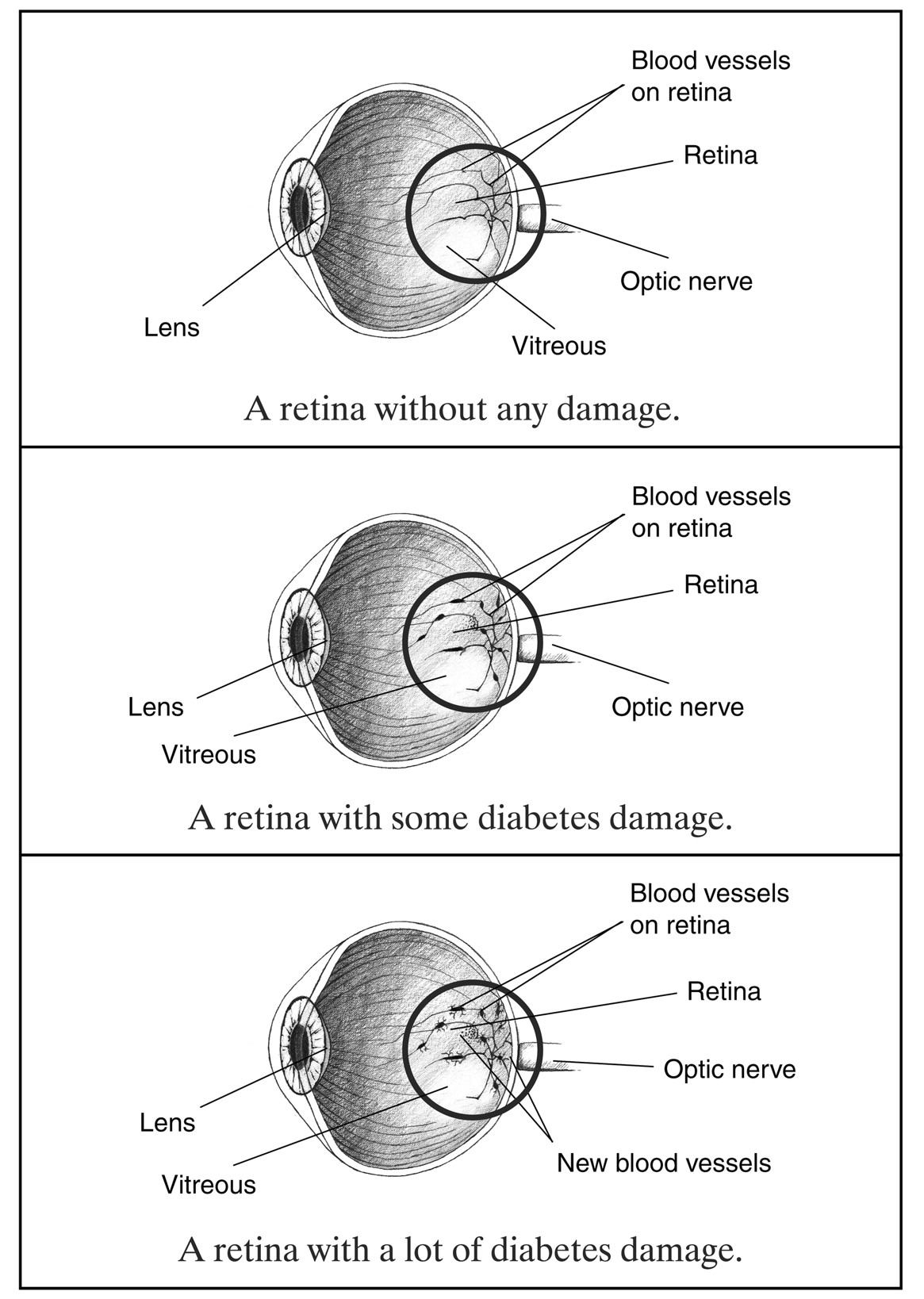
(NIDDK, n.d.-b)
Screening recommendations advise adults with T1DM to have a dilated eye exam 5 years after diagnosis, and T2DM patients should have a dilated eye exam at the time of diagnosis. Both T1DM and T2DM should then have a repeat examination every 1 to 2 years, depending on the level of retinopathy detected. Panretinal laser photocoagulation can reduce the risk of vision loss in both retinopathies. Treatment with antivascular endothelial growth factor agents injected into the eye has been shown to regress proliferative retinopathy. Currently, aflibercept (Eylea) and ranibizumab (Lucentis) are FDA-approved for this purpose. Ranibizumad (Susvimo) is approved as a refillable implant to dispense a continuous amount of medication. Surgical intervention with a vitrectomy may be considered in patients with retinal detachment, persistent vitreous hemorrhage, or extensive preretinal membrane formation. This procedure removes the vitreous humor, the gel that fills the eye cavity, to gain better access to the retina. This allows the removal of scar tissue, laser repair of retinal detachments, and treatment of macular holes. Despite the availability of medical and surgical procedures to correct retinopathy, prevention via vigilant BG and BP control should be the first line of treatment (ADA, 2026; D'Amico & Shah, 2026).
Nephropathy
Renal complications are one of the costliest aspects of long-term diabetes, with up to 40% of patients with decreased renal function being unaware of their disease. In 2022, the cost of treating CKD for Medicare beneficiaries alone was estimated at $95.7 billion, with ESRD and dialysis accounting for $45.3 billion (CDC, 2024a). The kidneys are highly vascular, with tiny vessels that filter waste products from the blood. In DM, hyperfiltration, as well as tubular inflammation and atrophy, lead to the decline in renal function. With this microvascular damage, the kidneys may gradually lose the ability to filter out waste, eventually necessitating dialysis. Approximately 25% to 30% of patients with diabetes develop CKD. CKD is defined as persistent albuminuria or eGFR less than 60 mL/min/1.73 m2. In T1DM, CKD typically develops approximately 10 years after diagnosis. CKD may be present at the time of T2DM diagnosis due to its insidious nature (ADA, 2026; Mottl & Tuttle, 2025).
Factors contributing to kidney disease include HTN, poor glycemic control, and genetics. Patients can decrease their risk of kidney damage by maintaining therapeutic BG levels and controlling HTN. Diabetic kidney disease also increases the risk of hyperkalemia, so electrolyte levels should be monitored closely. Kidney disease may present with fluid retention (pitting edema, sudden weight gain), insomnia, poor appetite, nausea, weakness, and difficulty concentrating. Control of HTN and BG can also slow the progression of kidney disease. Patients who stay well-hydrated and eat a low-protein, low-sodium diet may be able to reduce both their BP and the workload on their kidneys. Unfortunately, once ESRD occurs, the only definitive treatment options include dialysis and renal transplant (ADA, 2026; Mottl & Tuttle, 2026). For additional information regarding kidney disease, please refer to the NursingCE course entitled Chronic Kidney Disease.
Skin Complications
Diabetes impacts every part of a patient's body, including their skin. Patients with diabetes have an increased risk of bacterial and fungal infections. Most skin conditions can be prevented or easily managed with proper treatment, good skincare, and BG control. Common skin conditions in patients with diabetes include acanthosis nigricans and diabetic dermopathy. Acanthosis nigricans is more common in T2DM than in T1DM patients, as well as in patients with darker skin pigmentation. It presents as hyperpigmentation due to hyperkeratosis, typically in flexor surfaces such as the neck, axilla, elbows, and groin. It may also be present prior to a diabetes diagnosis. While topical treatments such as retinoids (0.1% tretinoin [Retin-A] or adapalene [Differin]), vitamin D analogs (Calcipotriene), keratolytics (ammonium lactate), and chemical peels work for some, results can be variable. Oral retinoids such as isotretinoin (Accutane) and acitretin (Soriatane) can be used but carry adverse risks and high recurrence rates upon discontinuation. Addressing the underlying condition with weight loss and improved glycemic control is the most effective treatment option. Diabetic dermopathy is one of the most common dermatologic complications associated with diabetes, affecting approximately 50% of patients, and presents as brown, scaly, or shiny, round, or oval-shaped lesions on the anterior distal surface of the lower legs, usually painless and not requiring specific treatment. Other rare skin complications seen in diabetes include necrobiosis lipoidica diabeticorum, which presents similarly to dermopathy but with larger lesions and fewer lesions. They initially present as dull, red, and raised but then progress to chronic, shiny lesions with a violet border that may become itchy, painful, or open, leading to disfigurement. The condition is challenging to manage, and treatment is only required to prevent or treat a secondary infection if the lesions open. Bullosis diabeticorum, or diabetic blisters, are rare and typically present on the fingers, hands, toes, and feet (occasionally on the forearm or lower legs). They are painless with no surrounding redness and are most often seen in patients with diabetes and neuropathy. They typically heal within a few weeks without specific treatment, but BG control should be improved to facilitate healing and prevent future blisters. Eruptive xanthomatosis is associated with hypertriglyceridemia and presents as itchy, firm, yellow bumps on the skin, surrounded by a red halo. It is often seen on the hands, feet, arms, legs, or buttocks in patients with T1DM. As with diabetic blisters, lesions will typically resolve with improved glycemic control. Digital sclerosis occurs in about one-third of patients with T1DM. It is characterized by tight, thick skin that may reduce mobility and flexibility on the back of the hands, fingers, toes, and forehead. The only treatment for sclerosis is improved glycemic control. Generalized or disseminated granuloma annulare may present with red-brown or skin-colored patches of small papules arranged in rings or arcs. Granuloma patches may respond to antimalarials, retinoids, corticosteroids, cyclosporine, or calcineurin inhibitors; however, most treatment recommendations are derived from studies with small sample sizes; therefore, improved glycemic control is preferred. Although patients with diabetes can experience these conditions, most are rare (ADA, n.d.-a; Edwards & Yosipovitch, 2025).
Staphylococcus bacteria typically cause bacterial infections and may result in styes, boils, folliculitis, carbuncles, or nail infections. These infections may present with red, warm, swollen, and tender skin and typically require topical or systemic antibiotics. Fournier’s gangrene should be considered in patients with a perineal or groin infection while using SGLT 2i medications. Candida albicans is the most common cause of fungal infections in patients with diabetes. Common varieties include thrush, ringworm, tinea cruris (groin region), vulvovaginal, and tinea pedis (feet). Fungal infections are often very red, moist, and itchy, and may include tiny blisters or scales. They often occur in moist skin folds, such as under the breasts, between fingers and toes, around the nails, in the corners of the mouth, in the armpits, and in the groin. Mild fungal infections can typically be treated with a topical antifungal ointment (ADA, n.d.-a; Edwards & Yosipovitch, 2025).
Itching is common in patients with diabetes due to dry, cracked skin and poor circulation (typically seen bilaterally in the lower legs). Areas commonly affected include the scalp, feet or ankles, trunk, and genitalia. Itching may also be related to a fungal infection. Most itching can be controlled by instructing patients to limit bathing frequency, use a mild soap, and always apply a moisturizer after bathing. When applying a moisturizing lotion, the nurse should educate the patient to avoid applying it between the toes, as this can increase moisture levels and the patient’s risk of infection. Possible treatments include topical capsaicin, compounded ointments containing ketamine, amitriptyline, and lidocaine, or oral anticonvulsants such as gabapentin (Neurontin) or pregabalin (Lyrica; ADA, n.d.-a; Edwards & Yosipovitch, 2025).
Wound Care. Patients with diabetes are at higher risk of developing wounds or other skin conditions that lead to wounds, and their wound healing time is prolonged due to the complications of diabetes. Elevated BG levels delay healing, and bacteria thrive in the high-glucose environment. Poor circulation further impedes healing in patients with diabetes, leading to the risk of amputation for even minor wounds in the lower extremities. Maintaining euglycemia is vital to wound healing in patients with diabetes. More aggressive wound treatments, such as negative-pressure wound therapy, hyperbaric oxygen therapy, silver cream, extracorporeal shockwave therapy, or higher cost dressings such as bioengineered allogeneic cellular therapies, may be needed to ensure healing and avoid further complications (ADA, 2026). For more on wound care, refer to the NursingCE course titled Interdisciplinary Wound Care.
Foot Care. The nurse should educate patients on the implications of elevated BG levels on their feet and legs. Skin changes can cause the feet to become dry and cracked. Diabetic neuropathy may contribute to reduced sensation in the feet. Blisters, sores, or cuts may go unnoticed, as may burning hot water. Due to poor circulation, ulcers may develop, and the healing process may be delayed, eventually leading to an infection that could put the patient at risk of amputation (ADA, 2026). Patients should be instructed to do the following daily to avoid this outcome:
- Inspect the feet daily for cuts, cracks, redness, edema, blisters, calluses, splinters, or dark spots. The primary HCP should be notified if foot lesions do not heal within one day.
- Discuss care of corns and calluses with a podiatrist or primary HCP if needed.
- Wash feet daily in warm water and dry thoroughly. Avoid hot water, as burns can occur more quickly due to neuropathy and reduced temperature sensation.
- Toenails should be filed or cut straight across and filed to avoid sharp edges. Soak feet first to soften toenails. Avoid cutting toenails too short or rounded, which may lead to ingrown toenails.
- Avoid lotion between the toes, which can lead to skin breakdown or fungal infections. However, the heels and the tops of the feet should be moisturized to prevent cracking or dry skin, which can lead to breakdown.
- Cotton socks should be worn daily to avoid blisters or sores from shoes. Socks should be clean and dry without seams, if possible.
- Good-fitting shoes should be worn to avoid friction and pressure sores. New shoes should be broken in slowly by wearing them for 1 to 2 hr daily for 2 weeks.
- Do not go barefoot in or out of the house. Slippers or shoes should be worn to prevent foot injury.
- Protect feet from extreme heat or cold.
- Elevate the feet when sitting to promote blood flow. Avoid crossing your legs while sitting. Wiggle toes and move ankles up and down for 5 min, 3 to 4 times daily, to increase circulation.
- Stop smoking, as this causes damage to the circulatory system, leading to poor circulation to the feet and legs.
- Manage BG, BP, and cholesterol levels to promote circulation and decrease vascular damage.
- Engage in routine exercise to promote circulation to the lower extremities and decrease damage from diabetes.
- Schedule an annual podiatrist evaluation (CDC, 2024g).
Oral Health
Patients with diabetes experience oral health conditions such as xerostomia (dry mouth), oral candidiasis, and burning mouth syndrome. Increased BG also leads to increased sugar in the saliva, increasing the risk for dental cavities and gum disease, which can lead to tooth loss. Consuming foods high in sugar can additionally cause oral disease. Smoking reduces the body's ability to heal oral infections by weakening the immune system. Periodontal disease increases by 18% for every 1% increase in HbA1c. Patients with diabetes should be encouraged to brush their teeth at least twice daily, floss at least once daily, and have dental cleanings and check-ups at least once yearly. Patients with diabetes who wear dentures should remove and clean them daily (CDC, 2024f).
Mental Health and Diabetes
Diabetes is a lifelong chronic illness that requires daily monitoring, treatment, acceptance, and lifestyle changes. Untreated mental health conditions can make lifestyle modifications more difficult, or a diagnosis of diabetes can exacerbate mental health disorders such as depression, anxiety, or eating disorders. Mental health issues can lead to depression and nonadherence with treatment. Depression is twice as common in patients with diabetes, with up to 50% of patients being undiagnosed or untreated. Given the impact of a diabetes diagnosis on an individual, psychosocial screening should be incorporated into provider visits at least annually, using validated, age-appropriate tools, and referral to a qualified health care professional should be considered when indicated (ADA, 2026; CDC, 2024b). Patients and family members should be educated regarding signs or symptoms of depression or stress, such as:
- sadness
- anhedonia (loss of interest in activities previously enjoyed)
- over- or undereating
- insomnia or sleeping continuously
- difficulty making decisions
- extreme fatigue
- hopelessness, irritability, anxiety, or guilt
- aches, pains, or digestive problems not associated with other conditions
- having thoughts of suicide or death (CDC, 2024b; Habib et al., 2022)
Diabetes distress is also prevalent in patients with diabetes, with up to 50% of individuals experiencing symptoms. It has some overlapping symptoms with depression but is specific to the emotional and mental burden of managing diabetes daily, including worry, frustration, and discouragement. Traditional antidepressant medications do not seem to improve the symptoms of diabetes distress. If left untreated, diabetes distress may lead to higher HbA1C levels, decreased adherence to medication regimens, and lifestyle changes, such as decreased activity and poor eating habits (ADA, 2026; CDC, 2024b). Interventions that have been linked to improvement include:
- treatment with a mental health counselor familiar with patients being treated for chronic health conditions and their unique needs
- session(s) with a diabetic educator to strategize and problem-solve concerns
- a focus on small steps, such as one to two specific diabetic management goals
- participation in a local or virtual support group for diabetes patients
- regular consultations with an endocrinologist (CDC, 2024b)
Emergency Preparedness for Diabetics
Individuals with diabetes should always be prepared with sufficient medication and supplies to manage their condition correctly. During natural disasters, emergencies, a pandemic requiring lockdown, or other hazards, the individual with diabetes must be prepared with enough supplies and medications to last at least a week. The CDC and ADA have extensive Emergency Preparedness resources with specific patient advice. After the devastating effects of Hurricane Katrina, the AACE created the My Diabetes Emergency Plan, a checklist of essential items a person with diabetes should have available (AACE, n.d.). The following is included in the checklist:
- a detailed list of all medical conditions, allergies, medications, most recent laboratory results, and contact information for their preferred pharmacy, HCPs, and at least two emergency contacts
- at least one week’s supply of all medications (a 30-day supply is preferred)
- at least one week’s supply of test strips, alcohol swabs, two glucometers, and extra batteries
- a cooler and reusable gel packs to store insulin
- empty plastic bottles or sharps containers to dispose of used needles, syringes, and lancets
- treatment for hypoglycemic episodes, including carbohydrates, glucose tablets, juice boxes, soda, hard candy, or glucose gel
- at least a 2-day supply of nonperishable food and a 3-day water supply (AACE, n.d.)
Individuals with diabetes should also know their rights under the Americans with Disabilities Act. Under Title III, shelters are required to accommodate them with a service dog, allow the use of sharps, and provide diabetes care. If possible, individuals with diabetes should find a special medical needs shelter better equipped to address their specific needs (ADA, n.d.-f).
Future Opportunities for the Diabetic
Diabetes is an ever-increasing chronic disease that continues to place a burden on our health care system. Prevention is key to reducing the incidence and prevalence of diabetes in the coming decades. Decreasing the severity of diabetes and its complications can hopefully be achieved through continued research into new treatment modalities. Currently, automated insulin delivery systems (AID) and hybrid closed-loop systems continue to advance. The most advanced fully automated system measures BG levels and delivers the right amount of insulin, mimicking a healthy pancreas without carb counting or manual adjustments. This option can replace the human component of measuring BG and has been shown to maintain steadier glycemic control, especially overnight. These systems are also beneficial for rapid adjustments needed during surgery and critical illness (Kitagawa et al., 2025; NIDDK, 2021a). Researchers at the Harvard Stem Cell Institute (HSCI) are also making progress in developing stem cells into pancreatic beta cells. HSCI is part of the Boston Autologous Islet Replacement Program (BAIRT) to create pluripotent stem cells that will hopefully generate patient-derived beta cells, avoiding the need for donor cells (HSCI, n.d.). Donor islet cells are limited, and the FDA's classification of them as biologics rather than a solid organ has limited the procedure to a single facility. In other countries, performing islet cell transplants is categorized as minimally manipulated tissue, making it a standard procedure widely available. Research suggests that future reclassification of islet cells for monitoring under the Organ Procurement and Transplantation Network would make the procedure more affordable and accessible in the United States (Mbaye et al., 2025). Another research direction is investigating xenogeneic porcine islets, which, if successful, could offer transplantation to a larger population of patients with type 1 diabetes in the future (Bellin & Dunn, 2020). Finally, current research into immunotherapy for T1DM has shown promise. Several monoclonal antibody studies have demonstrated that immunotherapy can improve intrinsic beta-cell function and maintain C-peptide levels in younger patients with T1DM. The results of these studies are not as beneficial in older patients, and further research is needed (Weston et al., 2024).
References
Abohashem, S., Hassan, I., Wasfy, J. H., & Taub, P. R. (2025). Trends and prevalence of the metabolic syndrome among US adults. JAMA, 335(3), 274-277. https://doi.org/10.1001/jama.2025.21712
Amara, D., Hansen, K. S., Kupiec-Weglinski, A. A., Braun, H. J., Hirose, R., Hilton, J. F., Rickels, M. R., Odorico, J. S., & Stock, P. G. (2022). Pancreas transplantation for type 2 diabetes: A systematic review, critical gaps in the literature, and a path forward. Transplantation, 106(10), 1916-1934. https://doi.org/10.1097/tp.0000000000004113
American Association of Clinical Endocrinology. (n.d.). Are you prepared to manage your diabetes in an emergency? https://www.aace.com/disease-and-conditions/diabetes/are-you-prepared-manage-your-diabetes-emergency
American Diabetes Association. (n.d.-a). Diabetes and skin complications. Retrieved April 22, 2026, from https://diabetes.org/diabetes/skin-complications
American Diabetes Association. (n.d.-b). eAG/A1C conversion calculator. Retrieved April 22, 2026, from https://professional.diabetes.org/diapro/glucose_calc
American Diabetes Association. (n.d.-c). Insulin pumps: Relief and choice. Retrieved April 22, 2026, from https://diabetes.org/healthy-living/medication-treatments/insulin-other-injectables/insulin-pumps-relief-and-choice
American Diabetes Association. (n.d.-d). High morning blood glucose: Understanding and management. https://diabetes.org/living-with-diabetes/high-morning-blood-glucose
American Diabetes Association. (n.d.-e). Learn the genetics of diabetes. Retrieved April 22, 2026, from https://www.diabetes.org/diabetes/genetics-diabetes
American Diabetes Association. (n.d.-f). The rights of people with diabetes in emergency shelters. Retrieved May 4, 2026, from https://diabetes.org/tools-resources/disaster-relief/rights-diabetes-emergency-shelters
American Diabetes Association. (n.d.-g). Tools to know your risk. Retrieved April 29, 2026, from https://diabetes.org/tools-resources/tests-calculators
American Diabetes Association. (n.d.-h). Type 2 and blood glucose checks. Retrieved April 29, 2026, from https://diabetes.org/about-diabetes/devices-technology/blood-sugar-checks-type-2
American Diabetes Association. (2026). Standards of care in diabetes—2026. Diabetes Care, 49 (Supplement 1), S1-S371. https://diabetesjournals.org/care/issue/49/Supplement_1
Association of Diabetes Care and Education Specialists. (n.d.). Find diabetes education and support programs. https://www.adces.org/program-finder
American Geriatrics Society Beers Criteria. (2023). American Geriatrics Society 2023 updated AGS Beers Criteria for potentially inappropriate medication use in older adults. Journal of the American Geriatrics Society, 71(7), 1-30. https://doi.org/10.1111/jgs.18372
Balasubramanyam, A. (2026). Diabetes mellitus: Etiologic evaluation and clinical subtypes. UpToDate. Retrieved April 30, 2026, from https://www.uptodate.com/contents/diabetes-mellitus-etiologic-evaluation-and-clinical-subtypes
Bellin, M. D., & Dunn, T. B. (2020). Transplant strategies for type 1 diabetes: Whole pancreas, islet and porcine beta cell therapies. Diabetologia, 63, 2049-2056. https://doi.org/10.1007/s00125-020-05184-7
Camilleri, M. (2025). Gastroparesis: Etiology, clinical manifestations, and diagnosis. UpToDate. Retrieved May 1, 2026, from https://www.uptodate.com/contents/gastroparesis-etiology-clinical-manifestations-and-diagnosis
Camilleri, M. (2026). Management of gastroparesis in adults. UpToDate. Retrieved May 1, 2026, from https://www.uptodate.com/contents/management-of-gastroparesis-in-adults
Caughey, A. B. (2026). Gestational diabetes mellitus: Obstetric issues and management. UpToDate. https://www.uptodate.com/contents/gestational-diabetes-mellitus-obstetric-issues-and-management
Centers for Disease Control and Prevention. (n.d.). National diabetes prevention program. https://www.cdc.gov/diabetes-prevention/index.html
Centers for Disease Control and Prevention. (2023). Quickstats: Percentage of mothers with gestational diabetes, by maternal age - National Vital Statistics System, United States, 2016 and 2021. MMWR Morbidity Mortality Weekly Report, 72(1), 16. http://dx.doi.org/10.15585/mmwr.mm7201a4
Centers for Disease Control and Prevention. (2024a). Chronic kidney disease basics. https://www.cdc.gov/kidney-disease/about/
Centers for Disease Control and Prevention. (2024b). Diabetes and mental health. https://www.cdc.gov/diabetes/living-with/mental-health.html
Centers for Disease Control and Prevention. (2024c). Diabetic risk factors. https://www.cdc.gov/diabetes/risk-factors/
Centers for Disease Control and Prevention. (2024d). Health and economic benefits of diabetes interventions. https://www.cdc.gov/nccdphp/priorities/diabetes-interventions.html
Centers for Disease Control and Prevention. (2024e). Managing sick days. https://www.cdc.gov/diabetes/living-with/managing-sick-days.html
Centers for Disease Control and Prevention. (2024f). Promoting oral health. https://www.cdc.gov/diabetes/hcp/clinical-guidance/how-to-promote-oral-health-for-people-with-diabetes.html
Centers for Disease Control and Prevention. (2024g). Your feet and diabetes. https://www.cdc.gov/diabetes/diabetes-complications/diabetes-and-your-feet.html
Centers for Disease Control and Prevention. (2025). Find a DSMES program. https://www.cdc.gov/diabetes/education-support-programs/find-a-dsmes-program.html
Centers for Disease Control and Prevention. (2026a). Background and Benefits of DSMES. https://www.cdc.gov/diabetes-toolkit/php/about-dsmes/background-dsmes.html#:~:text=Milestones,not%20have%20a%20DSMES%20service.
Centers for Disease Control and Prevention. (2026b). National diabetes statistics report. https://gis.cdc.gov/grasp/diabetes/diabetesatlas-statsreport.html
Cho, L., Kaunitz, A. M., Faubion, S. S., Hayes, S. N., Lau, E. S., Pristera, N., Scott, N., Shifren, J. L., Shufelt, C., L., Steunkel, C. A., & Lindley, K. J.; for the ACC CVD in Women Committee. (2023). Rethinking menopausal hormone therapy: For whom, what, when, and how long? Circulation, 147(7), 597-610. https://doi.org/10.1161/CIRCULATIONAHA.122.061559
D'Amico, D. J., & Shah, A. R. (2025). Diabetic retinopathy: Classification and features. UpToDate. Retrieved May 4, 2026, from https://www.uptodate.com/contents/diabetic-retinopathy-classification-and-clinical-features
D'Amico, D. J., & Shah, A. R. (2026). Diabetic retinopathy: Prevention and treatment. UpToDate. Retrieved May 4, 2026, from https://www.uptodate.com/diabetic-retinopathy-prevention-and-treatment
Delahanty, L. M. (2024). Nutritional considerations in type 1 diabetes mellitus. UpToDate. Retrieved April 28, 2026, from https://www.uptodate.com/contents/nutritional-considerations-in-type-1-diabetes-mellitus
Delahanty, L. M., & Maruthur, N. M. (2026). Medical nutrition therapy for type 2 diabetes mellitus. UpToDate. Retrieved April 28, 2026, from https://www.uptodate.com/contents/medical-nutrition-therapy-for-type-2-diabetes-mellitus
Dlugasch, L., & Story, L. (2024). Applied Pathophysiology for the Advanced Nurse Practitioner, (2nd ed.). Jones & Bartlett Learning.
Duncan, K., & DeSantis, A. (2026). Glucagon-like peptide 1-based therapies for the treatment of type 2 diabetes mellitus. UpToDate. Retrieved April 29, 2026, from https://www.uptodate.com/contents/glucagon-like-peptide-1-based-therapies-for-the-treatment-of-type-2-diabetes-mellitus
Durnwald, C. (2026a). Gestational diabetes mellitus: Glucose management, maternal prognosis, and follow-up. UpToDate. Retrieved April 27, 2026, from https://www.uptodate.com/contents/gestational-diabetes-mellitus-glucose-management-maternal-prognosis-and-follow-up
Durnwald, C. (2026b). Gestational diabetes mellitus: Screening, diagnosis, and risk reduction. UpToDate. Retrieved April 27, 2026, from https://www.uptodate.com/contents/gestational-diabetes-mellitus-screening-diagnosis-and-risk-reduction
Echouffo-Tcheugui, J. B., Perreault, L., Ji, L., & Dagogo-Jack, S. (2023). Diagnosis and management of prediabetes. JAMA, 329(14), 1206-1216. https://doi.org/10.1001/jama.2023.4063
El-Remessy, A. B. (2022). Diabetic ketoacidosis management: Updates and challenges for specific patient population. Endocrines, 3(4), 801-912. https://doi.org/10.3390/endocrines3040066
Erbasan, E., Aliciaslan, M., Erendor, F., Dandin, O., & Sanlioglu, S. (2026). Lantidra (donislecel) in type 1 diabetes: An in-depth analysis of pharmacology, clinical effectiveness, safety, and the therapeutic role of the first FDA-approved allogeneic islet cell therapy. Diabetic Medicine, 43(1), e70168. https://doi.org/10.1111/dme.70168
Erdogan, B. R., Liu, G., Arioglu-Inan, E., & Michel, M. C. (2022). Established and emerging treatments for diabetes-associated lower urinary tract dysfunction. Naunyn-Schmiedeberg's Archives of Pharmacology, 395, 887-906. https://doi.org/10.1007/s00210-022-02249-9
Evert, A. B., Dennison, M., Gardner, C. D., Garvey, W. T., Lau, K. H. K., MacLeod, J., Mitri, J., Pereira, R. F., Rawlings, K., Robinson, S., Saslow, L., Uelmen, S., Urbanski, P. B., & Yancy, W. S., Jr. (2019). Nutrition therapy for adults with diabetes or prediabetes: A consensus report. Diabetes Care, 42(5), 731-754. https://doi.org/10.2337/dci19-0014
Fang, M., Wang, D., & Selvin E. (2024). Prevalence of type 1 diabetes among US children and adults by age, sex, race, and ethnicity. JAMA, 331(16), 1411-1413. https://doi.org/10.1001/jama.2024.2103
Feldman, E. L. (2025). Epidemiology and classification of diabetic neuropathy. UpToDate. Retrieved May 1, 2026, from https://www.uptodate.com/contents/epidemiology-and-classification-of-diabetic-neuropathy
Feldman, E. L. (2026a). Management of diabetic neuropathy. UpToDate. Retrieved May 1, 2026, from https://www.uptodate.com/management-of-diabetic-neuropathy
Feldman, E. L. (2026b). Screening for diabetic polyneuropathy. UpToDate. Retrieved May 1, 2026, from https://www.uptodate.com/contents/screening-for-diabetic-polyneuropathy
Frommer, L., & Kahaly, G. J. (2020). Type 1 diabetes and associated autoimmune disease. World Journal of Diabetes, 11(11), 527-539. https://doi.org/10.4239/wjd.v11.i11.527
Giruzzi, N. (2020). Plenity (oral superabsorbent hydrogel). Clinical Diabetes, 38(3), 313-314. https://doi.org/10.2337/cd20-0032
Gomber, A., Ward, Z. J., Ross, C., Owais, M., Mita, C., Yeh, J. M., Reddy, C. L., & Atun, R. (2022). Variation in the incidence of type 1 diabetes mellitus in the children and adolescents by world region and country income group: A scoping review. PLOS Global Public Health, 4(6), e0003398. https://doi.org/10.1371/journal.pgph.0001099
Goutman, S. (2025). Diabetic autonomic neuropathy. UpToDate. Retrieved May 1, 2026, from https://www.uptodate.com/contents/diabetic-autonomic-neuropathy
Greenbaum, C. J., Lord, S., & Speake, C. (2026). Type 1 diabetes mellitus: Pathophysiology and etiology. UpToDate. Retrieved April 24, 2026, from https://www.uptodate.com/contents/type-1-diabetes-mellitus-pathophysiology-and-etiology
Habib, S., Sangaraju, S. L., Yepez, D., Grandes, X. A., & Manjunatha, R. T. (2022). The nexus between diabetes and depression: A narrative review. Cureus, 14(6), e25611. https://doi.org/10.7759/cureus.25611
Harvard Stem Cell Institute. (n.d.). Diabetes program. Retrieved May 4, 2026, from https://www.hsci.harvard.edu/diabetes-program
Hirsch, I. B. (2025). General principles of insulin therapy in diabetes mellitus. UpToDate. Retrieved April 28, 2026, from https://www.uptodate.com/contents/general-principles-of-insulin-therapy-in-diabetes-mellitus
Hirsch, I. B. (2026). Management of blood glucose in type 1 diabetes mellitus. UpToDate. Retrieved April 28, 2026, from https://www.uptodate.com/contents/management-of-blood-glucose-in-adults-with-type-1-diabetes-mellitus
Hirsch, I. B., & Emmett, M. (2024). Diabetic ketoacidosis and hyperosmolar hyperglycemic state in adults: Clinical features, evaluation, and diagnosis. UpToDate. Retrieved April 30, 2026, from https://www.uptodate.com/diabetic-ketoacidosis-and-hyperosmolar-hyperglycemic-state-in-adults-clinical-features-evaluation-and-diagnosis
Inzucchi, S. E., & Lupsa, B. (2024). Glycemic management and vascular complications in type 1 diabetes mellitus. UpToDate. Retrieved April 28, 2026, from https://www.uptodate.com/contents/glycemic-management-and-vascular-complications-in-type-1-diabetes-mellitus
Inzucchi, S. E., & Lupsa, B. (2025). Clinical presentation, diagnosis, and initial evaluation of diabetes mellitus in adults. UpToDate. Retrieved April 28, 2026, from https://www.uptodate.com/contents/clinical-presentation-diagnosis-and-initial-evaluation-of-diabetes-mellitus-in-adults
Jain, A. B., & Lai, V. (2024). Medication-induced hyperglycemia and diabetes mellitus: A review of current literature and practical management strategies. Diabetes Therapy, 15(9), 2001-2025. https://doi.org/10.1007/s13300-024-01628-0
Jendle, J. H., Adolfsson, P., & Pollock, N. W. (2020). Recreational diving in persons with type 1 and type 2 diabetes: Advancing capabilities and recommendations. Diving and Hyperbaric Medicine, 50(2), 135-143. https://doi.org/10.28920/dhm50.2.135-143
Jonas, D. E., Crotty, K., Yun, J. D. Y., Middleton, J. D., Feltner, C., Taylor-Phillips, S., Barclay, C., Dotson, A., Baker, C., Balio, C. P., Voisin, C. E., & Harris, R. P. (2021). Screening for prediabetes and type 2 diabetes: Updated evidence report and systematic review for the US Preventive Services Task Force. JAMA, 326(8), 744-760. https://doi.org/10.1001/jama.2021.10403
Jones, D. W., Ferdinand, K. C., Taler, S. J., Johnson, H. M., Shimbo, D., Abdalla, M., Altieri, M. M., Bansal, N., Bello, N. A., Bress, A. P., Carter, J., Cohen, J. B., Collins, K. J., Commodore-Mensah, Y., Davis, L. L., Egan, B., Khan, S. S., Lloyd-Jones, D. M., Melnyk, B. M., … Williamson, J. D. (2025). 2025 AHA/ACC/AANP/AAPA/ABC/ACCP/ACPM/AGS/AMA/ASPC/NMA/PCNA/SGIM guideline for the prevention, detection, evaluation and management of high blood pressure in adults: A report of the American College of Cardiology/American Heart Association Joint Committee on clinical practice guidelines. Circulation, 152(11), e114-218. https://doi.org/10.1161/cir.0000000000001356
Kazi, D. S., Elkind, M. S. V., Deutsch, A., Dowd, W. N., Heidenreich, P., Khavjou, O., Mark, D., Mussolino, M. E., Ovbiagele, B., Patel, S. S., Poudel, R., Weittenhiller, B., Powell-Wiley, T. M., & Joynt Maddox, K. E., on behalf of the American Heart Association. (2024). Forecasting the economic burden of cardiovascular disease and stroke in the United States through 2050: A presidential advisory from the American Heart Association. Circulation, 150(4), e89-101. https://doi.org/10.1161/CIR.0000000000001258
Khera, M. (2026). Treatment of male sexual dysfunction. UpToDate. Retrieved May 1, 2026, from https://www.uptodate.com/contents/treatment-of-male-sexual-dysfunction
Kitagawa, H., Munekage, M., Seo, S., & Hanazaki, K. (2025). Artificial pancreas: The past and future. Journal of Artificial Organs, 28(4), 514-521. https://doi.org/10.1007/s10047-025-01510-1
Klonoff, D. C., Gabbay, M., Moon, S. J., & Wilmot, E. G. (2024). Importance of FDA-integrated continuous glucose monitors to ensure accuracy of continuous glucose monitoring. Journal of Diabetes Science and Technology, 19(5), 1392-1399. https://doi.org/10.1177/19322968241250357
Kuo, S., Ye, W., Wang, D., McEwen, L. N., Santos, C. V., & Herman, W. H. (2025). Cost-effectiveness of the National Diabetes Prevention Program: A real-world, 2-year prospective study. Diabetes Care, 48(7), 1180-1188. https://doi.org/10.2337/dc24-1110
Edwards, E., & Yosipovitch, G. (2025). Skin manifestations of diabetes mellitus. Endotext. https://www.ncbi.nlm.nih.gov/books/NBK481900
Lauria, F., Formisano, A., Russo, M. D., Quaglia, C., Giacco, R., Russo, G., Spagnuolo, C., & Vitale, M. (2026). Mediterranean diet, gut microbiota, and type 2 diabetes: A systematic review and meta-analysis of intervention trials. Nutrition, Metabolism, and Cardiovascular Diseases, 36(5), 104433. https://doi.org/10.1016/j.numecd.2025.104433
Lemos, J. R. N., Hirani, K., & von Herrath, M. (2024). Immunological and virological triggers of type 1 diabetes: Insights and implications. Frontiers in Immunology, 14, 1326711. https://doi.org/10.3389/fimmu.2023.1326711
Levitsky, L. L., & Misra, M. (2025a). Epidemiology, presentation, and diagnosis of type 1 diabetes mellitus in children and adolescents. UpToDate. Retrieved June 22, 2023, from https://www.uptodate.com/contents/epidemiology-presentation-and-diagnosis-of-type-1-diabetes-mellitus-in-children-and-adolescents
Levitsky, L. L., & Misra, M. (2025b). Type 1 diabetes mellitus in children and adolescents: Insulin therapy. UpToDate. Retrieved April 28, 2026, from https://www.uptodate.com/contents/type-1-diabetes-mellitus-in-children-and-adolescents-insulin-therapy
Lin, D., Wang, H., Ou, Y., Li, L., Zhang, Q., Yan, J., Peng, D., & Peng, S. (2024). The role of diet in diabetes gastroparesis treatment: A systematic review and meta-analysis. Frontier in Endocrinology, 15, 1379398. https://doi.org/10.3389/fendo.2024.1379398
Lipska, K. J. (2025). Hypoglycemia in adults with diabetes mellitus. UpToDate. Retrieved April 30, 2026, from https://www.uptodate.com/contents/hypoglycemia-in-adults-with-diabetes-mellitus
Lukacz, E. S. (2025). Urgency urinary incontinence/overactive bladder (OAB) in females: Treatment. UpToDate. Retrieved May 1, 2026, from https://www.uptodate.com/contents/urgency-urinary-incontinence-overactive-bladder-oab-in-females-treatment
Mathew, T. K., Zubair, M., & Tadi, P. (2023). Blood glucose monitoring. StatPearls. https://www.ncbi.nlm.nih.gov/books/NBK555976
Mbaye, E. H. A., Scott, E. A., & Burke, J. (2025). From Edmonton to Lantidra and beyond: Immunoengineering islet transplantation to cure type 1 diabetes. Frontiers in Transplant, 4, 1514956. https://doi.org/10.3389/frtra.2025.1514956
Meigs, J. B. (2026). Metabolic syndrome (insulin resistance or syndrome X). UpToDate. Retrieved April 27, 2026, from https://www.uptodate.com/contents/metabolic-syndrome-insulin-resistance-syndrome-or-syndrome-x
Mosenzon, O., Cheng, A. Y. Y., Rabinstein, A. A., & Sacco, S. (2023). Diabetes and stroke: What are the connections? Journal of Stroke, 25(1), 26-38. https://doi.org/10.5853/jos.2022.02306
Mottl, A. K., & Tuttle, K. R. (2025). Diabetic kidney disease: Pathogenesis and epidemiology. UpToDate. Retrieved May 4, 2026, from https://www.uptodate.com/contents/diabetic-kidney-disease-pathogenesis-and-epidemiology
Mottl, A. K., & Tuttle, K. R. (2026). Diabetic kidney disease: Manifestations, evaluation, and diagnosis. UpToDate. Retrieved May 4, 2026, from https://www.uptodate.com/contents/diabetic-kidney-disease-manifestations-evaluation-and-diagnosis
Nadeau, K. J., Mayer-Davis, E. J., Gubitosi-Klug, R., Zeitler, P. S., Kahn, S. E., & Dabelea, D. (2025). Youth-onset type 2 diabetes: What we've learned from key youth-onset type 2 diabetes studies, what we still don't know, and why it is important. Diabetes Care, 48(7), 1136-1149. https://doi.org/10.2337/dc25-0001
National Center for Complementary and Integrative Health. (2025). Yohimbe. US Department of Health and Human Services. https://www.nccih.nih.gov/health/yohimbe
National Institute of Diabetes and Digestive and Kidney Diseases. (n.d.-a). Close-up of beta cells in pancreatic islet - labeled [Image]. Retrieved July 27, 2023, from https://www.niddk.nih.gov/news/media-library/18115
National Institute of Diabetes and Digestive and Kidney Diseases. (n.d.-b). Cross section of an eye showing three stages of diabetes damage [Image]. Retrieved July 27, 2023, from https://www.niddk.nih.gov/news/media-library/17833
National Institute of Diabetes and Digestive and Kidney Diseases. (n.d.-c). Pancreas responds to low or high blood glucose levels [Image]. Retrieved July 27, 2023, from https://www.niddk.nih.gov/news/media-library/17969
National Institute of Diabetes and Digestive and Kidney Diseases. (2018). Diabetes, sexual and bladder problems. https://www.niddk.nih.gov/health-information/diabetes/overview/preventing-problems/sexual-bladder-problems?dkrd=/health-information/diabetes/overview/preventing-problems/sexual-urologic-problems
National Institute of Diabetes and Digestive and Kidney Diseases. (2021a). Artificial pancreas. https://www.niddk.nih.gov/health-information/diabetes/overview/managing-diabetes/artificial-pancreas
National Institute of Diabetes and Digestive and Kidney Diseases. (2021b). Bladder control problems (urinary incontinence). https://www.niddk.nih.gov/health-information/urologic-diseases/bladder-control-problems
National Institute of Diabetes and Digestive and Kidney Diseases. (2021c). Diabetes Prevention Program (DPP). https://www.niddk.nih.gov/about-niddk/research-areas/diabetes/diabetes-prevention-program-dpp
Parker, E. D., Lin, J., Mahoney, T., Ume, N., Yang, G., Gabbay, R. A., ElSayed, N. A., & Bannuru, R. R. (2024). Economic costs of diabetes in the U. S. in 2022. Diabetes Care, 47(1), 26-43. https://doi.org/10.2337/dci23-0085
Perng, W., Conway, R., Mayer-Davis, E., & Dabelea, D. (2023). Youth-onset type 2 diabetes: The epidemiology of an awakening epidemic. Diabetes Care, 46(3), 490-499. https://doi.org/10.2337/dci22-0046
Pullen, L. C. (2021). Islet cell transplantation hits a milestone. American Journal of Transplantation, 21(8), 2625-2626. https://doi.org/10.1111/ajt.16039
Reyhanoglu, G., & Rehman, A. (2023). Somogyi phenomenon. StatPearls. Retrieved April 28, 2026, from https://www.ncbi.nlm.nih.gov/books/NBK551525
Rickels, R. M. (2024). Physiologic response to hypoglycemia in healthy individuals and patients with diabetes mellitus. UpToDate. Retrieved April 28, 2026, from https://www.uptodate.com/contents/physiologic-response-to-hypoglycemia-in-healthy-individuals-and-patients-with-diabetes-mellitus
Riddell, M. C., & Peters, A. (2026). Exercise guidance in adults with diabetes mellitus. UpToDate. Retrieved April 28, 2026, from https://www.uptodate.com/contents/exercise-guidance-in-adults-with-diabetes-mellitus
Robertson, R. P., & Lipska, K. J. (2026). Type 2 diabetes mellitus: Prevalence and risk factors. UpToDate. Retrieved May 8, 2026, from https://www.uptodate.com/contents/type-2-diabetes-mellitus-prevalence-and-risk-factors
Robertson, R. P., & Rickels, M. R. (2026). Pancreas and islet transplantation in diabetes mellitus. UpToDate. Retrieved April 29, 2026, from https://www.uptodate.com/contents/pancreas-and-islet-transplantation-in-diabetes-mellitus
Robertson, R. P., & Udler, M. S. (2026). Pathogenesis of type 2 diabetes mellitus. UpToDate. Retrieved April 24, 2026, from https://www.uptodate.com/contents/pathogenesis-of-type-2-diabetes-mellitus
Rubin, M. (2025). Mononeuropathies. Merck Manual Professional Version. https://www.merckmanuals.com/professional/neurologic-disorders/peripheral-nervous-system-and-motor-unit-disorders/mononeuropathies?query=Mononeuropathy
Seo, H. W., Ryu, S., Lee, S. H., Chung, J. H. (2024). Diabetes mellitus and acute facial palsy: A nationwide population-based study. Neuroepidemiology, 58(1), 37-46. https://doi.org/10.1159/000534760
Speksnijder, E. M., Ten Noever de Brauw, G. V., Malekzadeh, A., Bisschop, P. H., Jan Stevers, D., & Siegelaar, S. E. (2023). Effect of postmenopausal hormone therapy on glucose regulation in women with type 1 or type 2 diabetes: A systematic review. Diabetes Care, 46(10), 1866-1875. https://doi.org/10.2337/dc23-0451
Umpierrez, G. E., Davis, G. M., ElSayed, N. A., Fadini, G. P., Galindo, R. J., Hirsch, I. B., Klonoff, D. C., McCoy, R. G., Misra, S., Gabbay, R. A., Bannuru, R. R., & Dhatariya, K. K. (2024). Hyperglycemic crises in adults with diabetes: A consensus report. Diabetes Care, 47(8), 1257-1275. https://doi.org/10.2337/dci24-0032
US Food and Drug Administration. (2023). BLA approval for Lantidra. https://www.fda.gov/media/169921/download?attachment
US Preventive Services Task Force. (2021). Screening for gestational diabetes: US Preventive Services Task Force Recommendation Statement. JAMA, 326(6), 531-538. https://doi.org/10.1001/jama.2021.11922
US Preventive Services Task Force. (2022). Screening for prediabetes and type 2 diabetes: US Preventive Services Task Force Recommendation Statement. JAMA, 328(10), 963-967. https://doi.org/10.1001/jama.2022.14543
Van Cauwenberghe, J., Enzlin, P., Nefs, G., Ruige, J., Hendrieckx, C., De Block, C., & Pouwer, F. (2022). Prevalence of and risk factors for sexual dysfunctions in adults with type 1 or type 2 diabetes: Results from diabetes MILES-Flanders. Diabetic Medicine, 39, e14676. https://doi.org/10.1111/dme.14676
Veauthier, B., & Levy-Grau, B. (2024). Diabetic ketoacidosis: Evaluation and treatment. American Family Physician, 110(5), 476-486.
Wagenknecht, L. E., Lawrence, J. M., Isom, S., Jensen, E. T., Dabelea, D., Liese, A. D., Dolan, L. M., Shah, A. S., Bellatorre, A., Sauder, K., Marcovina, S., Reynolds, K., Pihoker, C., Imperatore, G., & Divers, J. (2023). Trends in incidence of youth-onset type 1 and type 2 diabetes, 2002-2018: Results from the US population-based SEARCH for diabetes in youth study. The Lancet Diabetes & Endocrinology, 11(4), 242-250. https://doi.org/10.1016/S2213-8587(23)00025-6
Watson, K. E, Dhaliwal, K., Robertshaw, S., Verdin, N., Benterud, E., Lamont, N., Drall, K. M., McBrien, K., Donald, M., Tsuyuki, R. T., Campbell, D. J. T., Pannu, N., & James, M. T.; on behalf of the PAUSE (Preventing Medication Complications During Acute Illness Through Symptom Evaluation and Sick Day Guidance) Medication Safety Advisory Panel. (2023). American Journal of Kidney Disease, 81(5), 564-574. https://doi.org/10.1053/j.ajkd.2022.10.012
Weston, C. S., Boehm, B. O., Pozzilli, P. (2024). Type 1 diabetes: A new vision of the disease based on endotypes. Diabetes Metabolism Research and Reviews, 40(2), e3770. https://doi.org/10.1002/dmrr.3770
Wexler, D. J. (2026). Initial management of hyperglycemia in adults with type 2 diabetes mellitus. UpToDate. Retrieved May 1, 2026, from https://www.uptodate.com/contents/initial-management-of-hyperglycemia-in-adults-with-type-2-diabetes-mellitus
Woods, A. D. (2023). Nursing 2023 drug handbook (43rd ed.). Wolters Kluwer.
Yeh, Y. K., Yen, F. S., & Hwu, C. M. (2023). Diet and exercise are a fundamental part of comprehensive care for type 2 diabetes. Journal of Diabetes Investigation, 14(8), 936-939. https://pmc.ncbi.nlm.nih.gov/articles/PMC10360374/
Yi, X., Pan, Y., Peng, H., Ren, M., Jia, Q., & Wang, B. (2024). The optimal dose of metformin to control conversion to diabetes in patients with prediabetes: A meta-analysis. Journal of Diabetes and its Complications, 38(10), 108846. https://doi.org/10.1016/j.jdiacomp.2024.108846
Powered by Froala Editor