About this course:
This activity aims to explain the concept of critical thinking, explore why it is a crucial skill in nursing, and identify strategies to teach and foster this skill in student and novice nurses.
Course preview
Critical Thinking
This activity aims to explain the concept of critical thinking, explore why it is a crucial skill in nursing, and identify strategies to teach and foster this skill in student and novice nurses.
Upon completion of this activity, learners should be able to:
- define the concept of critical thinking as it pertains to nursing practice
- discuss why critical thinking is an essential skill for successful nurses, including how nurses can use critical thinking as a decision-making tool
- review the ideal methods for teaching and improving critical thinking skills in student or novice nurses as demonstrated in the literature
Nurses are responsible for offering high-quality, evidence-based care to optimize patient outcomes. As new treatments emerge, people are living longer, healthier lives. As the US population ages, more people live with chronic health conditions. These conditions have created a clinical environment that is more complex than ever before. The demands of the complex clinical environment require that nurses multitask and make sound clinical decisions using critical thinking when providing patient care. Critical thinking has been addressed and defined by multiple individuals and organizations. The term critical thinking is often used interchangeably in nursing literature with problem-solving and clinical decision-making (American Nurses Association [ANA], 2024; Lippincott Solutions, 2020). At the 8th Annual International Conference on Critical Thinking and Educational Reform in 1987, Michael Scriven and Richard Paul defined critical thinking as:
the intellectually disciplined process of actively and skillfully conceptualizing, applying, analyzing, synthesizing, and/or evaluating information gathered from, or generated by, observation, experience, reflection, reasoning, or communication, as a guide to belief and action. In its exemplary form, it is based on universal intellectual values that transcend subject matter divisions: clarity, accuracy, precision, consistency, relevance, sound evidence, good reasons, depth, breadth, and fairness. (The Foundation for Critical Thinking, n.d., para. 3)
The ANA defines critical thinking as “identifying a problem, determining the best solution, and implementing an effective method to resolve the issue using clinical decision-making skills” (ANA, 2024, para. 3). Key components of critical thinking among nurses include clinical judgment, patient safety, communication and collaboration, and problem-solving skills. Critical-thinking skills grow with experience and career advancement. As nurses’ knowledge expands and they face real patient care situations beyond textbooks, their ability to anticipate and handle nursing challenges improves. Ways to nurture and develop critical-thinking skills include being a lifelong learner, practicing reflection, having an open mind, using critical-thinking tools, and remaining curious (ANA, 2024). The 1990 Delphi Report by Peter Facione on behalf of the American Philosophical Association (APA) was a landmark report on critical thinking (Facione, 1998). According to the report, the following are crucial characteristics of strong critical thinkers:
- curiosity concerning a wide range of issues
- interest in becoming and remaining well-informed
- awareness of situations to use critical thinking
- self-confidence in one’s comprehension and judgment
- open-mindedness regarding conflicting worldviews
- flexibility in considering options and attitudes
- accepting the views of others
- fairness in appraising thinking
- honesty in facing one’s own biases, prejudices, stereotypes, or egocentric tendencies
- cautiousness in suspending, making, or altering judgments
- willingness to reevaluate and modify views where reflection suggests modification is necessary (Facione, 1998)
Critical thinkers avoid illogical reasoning, overgeneralization, bias, rigid thinking, and personal prejudice, instead demonstrating openness, flexibility, and a willingness to question assumptions and explore alternative solutions. In nursing, critical thinking integrates both learned cognitive skills and habits of the mind, such as confidence, perseverance, reflection, flexibility, inquisitiveness, intuition, and intellectual integrity, and develops along a continuum from basic to complex levels. Basic critical thinking, often seen in novice nurses, relies primarily on rules, policies, and authoritative guidance. By contrast, complex critical...
...purchase below to continue the course
- The right cue: this reminds nurses that the quality of the information is more important than the quantity. Nurses receive an enormous amount of information regarding their patients. However, critical thinking helps the nurse to focus on the most valuable and useful pieces of data to streamline their information gathering. This will include their foundational nursing knowledge, the current clinical assessment data, the handoff report from the previous shift, the patient history, and any previously documented patient assessments.
- The right patient: this recognizes that most nurses are simultaneously responsible for as many as six or more patients at one time and that first assessing and then prioritizing the patients that need to be cared for first requires critical thinking.
- The right time: this refers to the need to assess and gather information promptly, plan out the interventions based on prioritization, knowledge, and available resources, and then perform interventions at the most appropriate time and in the proper sequence.
- The right action: this refers to the most appropriate individual performing the most appropriate interventions and then documenting and notifying the required members of the care team promptly.
- The right reason: this refers to the explanation or justification of why specific interventions were performed by the nurse, which may include established facility policies and procedures or ethical, legal, and professional components.
Importance and Use of Critical Thinking
Having established the definition of critical thinking, its essential role in nursing practice, and the ways nurses apply it in daily responsibilities, the focus now turns to examining how critical-thinking skills can be effectively taught to nursing students and further developed in newly graduated nurses.
Technology is a tool that can be used to our advantage, and the use of telepresence robotics (remote-controlled wheeled devices with cameras that allow students to be present on nursing units and in patient rooms from a distance) and patient simulation has been shown to assist in developing critical-thinking skills. These methods encourage active learning, specifically the synthesis, analysis, and evaluation of content, rather than rote memorization. Virtual simulators allow for greater variation and customization than traditional static manikins, as they can be programmed to reflect different vital signs, symptoms, procedures, levels of acuity, and patient demographics and can be accessed across settings and time. High-fidelity simulation has been shown to increase nursing students’ self-confidence, clinical skills, and critical-thinking ability, while helping to prepare nurses to practice in complex, fast-paced acute care environments by assessing competency at baseline and over time and strengthening clinical judgment, delegation, and prioritization skills (Huun & Slaven, 2024; Stenseth et al., 2025). In addition, gamified learning approaches such as escape rooms have demonstrated educational value. In a recent study, Çakmak and Kaymaz (2024) found that escape room–based activities significantly increased nursing students’ motivation for critical thinking and academic self-efficacy, with the majority of students reporting improved understanding, retention, and application of course content in clinical scenarios.
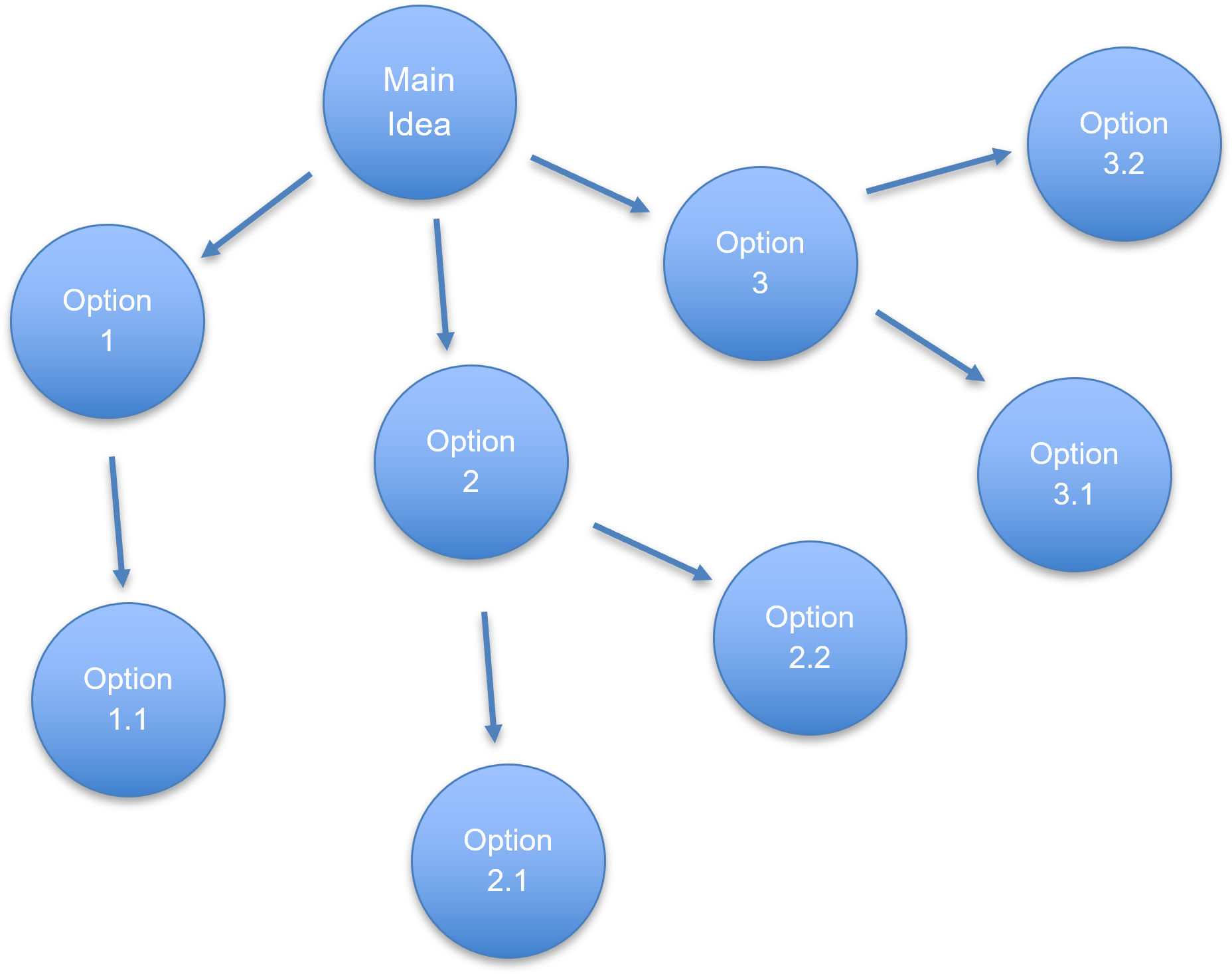
Group discussions or written reflections on medical decision-making in ethically complex cases encourage engagement and active learning among students or nurses who struggle with critical-thinking skills. When participants are asked open-ended questions and provided sufficient time for reflection, these strategies promote deeper analysis, ethical awareness, and professional judgment (Amir et al., 2023; Lockertsen & Mo, 2024). Beyond group discussion, concept mapping may be even more effective when teaching or strengthening critical-thinking skills in nurses. Concept mapping is a visual representation of information that allows learners to identify key concepts and determine how they relate to one another, using formats such as spider maps, flowcharts, hierarchical maps, or systems maps. Incorporating concept mapping into clinical debriefing sessions has been shown to improve nurses’ ability to analyze clinical situations and reflect on their reasoning processes more effectively than traditional discussion-based debriefing, resulting in more meaningful learning as individuals actively construct knowledge from gathered information (Faraji et al., 2025; Thapa et al., 2025).
Figure 1
Concept map example
Nurse educators should strive to facilitate skill transfer, which involves applying and using newly acquired skills across different environments and clinical situations. Competency-based assessment approaches may be used by nurse educators, nurse leaders, or hiring managers to identify individual learners’ needs by evaluating their ability to apply clinical knowledge in real-world contexts, thereby allowing education and supplementary training to be tailored accordingly. Problem-based learning (PBL) challenges students to collaborate and apply cumulative knowledge to solve unfolding, realistic clinical problems, with faculty serving primarily as facilitators and resources rather than lecturers. Recent systematic reviews and meta-analyses demonstrate that PBL is more effective than traditional lecture-based instruction in improving teamwork, communication, and critical-thinking skills among undergraduate nursing students, supporting its use as an evidence-based teaching strategy in nursing education (Alexander et al., 2024; ANA, 2024; Ge et al., 2025; Wei et al., 2024).
Case studies are a commonly used learning tool in the classroom, simulation, and clinical settings to promote critical thinking in students and novice nurses. Case studies simulate clinical decision-making and expose learners to realistic clinical dilemmas while illustrating human emotions, misinterpretations, and intentions. By modeling expert thinking, case studies prepare learners for real-world practice without placing patients at risk and promote active learning to support understanding of complex clinical situations. Traditional case studies, however, are often static, with all information presented at the beginning of the activity. More recently, nursing education has shifted toward the use of unfolding case studies, which evolve as learners make decisions and implement interventions. In this approach, information is revealed progressively, requiring learners to analyze data, adjust priorities, and respond to changes in patient status. Unfolding case studies more effectively promote critical thinking and clinical judgment and are particularly well suited for preparing nursing students for the Next Generation NCLEX, which incorporates integrated, unfolding case scenarios to evaluate clinical judgment (Giuffrida et al., 2023; National Council of State Boards of Nursing, n.d.; Oermann et al., 2024).
The following patient scenario illustrates a clinical situation that may be encountered by nurses and is used to demonstrate the application of critical-thinking skills. An adult patient presents to the emergency department (ED) with shortness of breath. The patient has an elevated body mass index (BMI 32 kg/m2) and asthma. They deny any illicit drug, alcohol, or tobacco use. Daily medications include inhaled budesonide/formoterol (Symbicort) for their asthma. The triage nurse assesses the patient and determines they are tachycardic, hypertensive, and tachypneic.
- What issue is most likely causing the patient’s symptoms?
- What is the evidence for this idea?
- Are there other explanations for their symptoms or another way to explain the data?
- Which alternatives are the most critical and should be ruled out first?
- What should the critical-thinking nurse assess next?
These questions help to define and develop the next set of assessments. Based on those assessments, interventions can be planned.
The nurse assesses the patient’s oxygen saturation and determines that they are hypoxic (pulse oximetry reading is 85% on room air) and requests an order to apply supplemental oxygen. The patient’s lungs sound clear with no audible wheeze, and the only vital sign that improved with the application of oxygen is their oxygen saturation reading (now 97% on 2 L of oxygen). The nurse also notes that the patient is diaphoretic.
- What issue is most likely causing the patient’s symptoms?
- What is the evidence for this idea?
- Are there other explanations for their symptoms or another way to explain the data?
- Which alternatives are the most dangerous and must be ruled out first?
- What should the critical-thinking nurse assess or do next?
As a respiratory therapist administers an inhaled bronchodilator treatment, the nurse applies electrocardiogram (ECG) leads to assess the patient’s underlying cardiac rhythm. The ECG indicates that the patient has had an ST-segment change from prior ECGs found in the electronic health record, suggesting this may be an acute finding.
- What issue is most likely causing the patient’s symptoms?
- What is the evidence for this idea?
- Are there other explanations for their symptoms or another way to explain the data?
- Which alternatives are the most dangerous and must be ruled out first?
- What should the critical-thinking nurse assess or do next?
After discussing the changes on the patient’s ECG with the ED provider, orders are received for a one-time oral dose of chewable aspirin (Bayer) 325 mg, sublingual nitroglycerin (Nitrostat) as indicated, and an immediate referral to the cardiac catheterization lab. The patient was diagnosed with an acute myocardial infarction, treated promptly, and recovered well (Reeder & Kennedy, 2025).
New graduate nurses enter the workforce inexperienced and ill-prepared to think critically. Deficits in critical thinking, clinical judgment, and perceived preparedness have been associated with increased frustration, stress, and attrition among new graduate nurses. The improvement of critical-thinking skills in novice nurses can be achieved effectively by observing, emulating, and interacting with more experienced nurses serving as mentors or preceptors who have been developing these skills daily throughout their careers. Case studies, simulations, and concept maps effectively improve hospital-based graduate nurses’ critical-thinking skills. As mentioned earlier, nurses must commit to a constant and lifelong path of learning, questioning, and evaluating their practice through continuing education (courses, conferences, and conventions) combined with honest self-reflection. Collegial dialogue among graduate nurses may be less formal than the clinical debriefing sessions that occur while a nursing student. However, this dialogue is no less important to developing critical-thinking skills among these novice practitioners. Leadership should actively promote team-member interaction to facilitate the development of improved communication and critical thinking skills among team members. Participation in multidisciplinary task forces and committees will further expose the new graduate nurse to education, new experiences, novel challenges, and quiet introspection (ANA, 2024; Jerpseth & Jensen, 2025; Lippincott Solutions, 2020; Potter et al., 2026, chapter 15).
Additional strategies to improve nurses’ critical thinking skills are to ask open-ended questions and avoid the concept of a single correct answer. Like students, nurses should be allowed ample time for personal reflection and consideration following these discussions. Critical reflection can improve critical thinking and clinical reasoning by closing the gap between what is taught in the classroom and the real-world environment. Critical reflection allows the nurse to consider the clinical decisions made and ask themselves "why’" questions. The research on critical reflection in nursing is limited, and although it has been recognized as beneficial, there are limited ways to measure its benefit in nursing (Amir et al., 2023; Lockertsen & Mo, 2024; Shin et al., 2022).
To improve clinical competency, Afshar and colleagues (2020) identified three primary concerns that must be addressed: professional insufficiency, basic resource shortages, and external organizational influences. Recent evidence continues to support these findings, demonstrating that targeted nurse education, strong leadership engagement, and organizational support significantly improve nurses’ clinical performance, job satisfaction, and quality of care. Educational interventions such as workshops and skills-based training, as well as staff involvement in patient education, have been associated with improved nursing effectiveness and patient satisfaction, particularly when combined with recognition programs and supportive supervision (Afshar et al., 2020; Fontaine et al., 2024; Saghafi et al., 2024).
References
Afshar, M., Sadeghi-Gandomani, H., & Masoudi Alavi, N. (2020). A study on improving nursing clinical competencies in a surgical department: A participatory action research. Nursing Open, 7(4), 1052–1059. https://doi.org/10.1002/nop2.485
Alexander, E. S., White, A. A., Varol, A., Appel, K., & Lieneck, C. (2024). Team- and problem-based learning in health services: A systematic literature review of recent initiatives in the United States. Education Sciences, 14(5), 515. https://doi.org/10.3390/educsci14050515
American Nurses Association. (2024). Critical thinking in nursing: Tips to develop the skill. Retrieved May 1, 2026, from https://www.nursingworld.org/content-hub/resources/nursing-leadership/critical-thinking-nursing/
Amir, H., Permatananda, P. A. N. K., Cahyani, D. D., Langelo, W., Rosita, R., Sajodin, S., Noprianty, R., Astuti, A., Suhari, S., Wahyuningsih, S., & Kusumawati, P. D. (2023). Enhancing skill conceptualization, critical thinking, and nursing knowledge through reflective case discussions: A systematic review. Journal of Medicine and Life, 16(7), 1023–1032. https://doi.org/10.25122/jml-2023-0042
Çakmak, B., & Kaymaz, T. T. (2024). The effect of an escape room game on students’ academic self-efficacy and motivation for critical thinking: oncology nursing course. BMC Nursing, 23(1), 910. https://doi.org/10.1186/s12912-024-02586-5
Facione, P. A. (1998). Critical thinking: A statement of expert consensus for purposes of educational assessment and instruction. https://www.researchgate.net/publication/242279575_Critical_Thinking_A_Statement_of_Expert_Consensus_for_Purposes_of_Educational_Assessment_and_Instruction
Faraji, A., Banafshi, Z., Jalali, R., & Jalali, A. (2025). Concept mapping teaching method and nursing education: A systematic review and meta-analysis. BMC Medical Education, 25, 792. https://doi.org/10.1186/s12909-025-07392-4
Fontaine, G., Vinette, B., Weight, C., Maheu-Cadotte, M.-A., Lavallée, A., Deschênes, M.-F., Lapierre, A., Castiglione, S. A., Chicoine, G., Rouleau, G., Argiropoulos, N., Konnyu, K., Mooney, M., Cassidy, C. E., Mailhot, T., Lavoie, P., Pépin, C., Cossette, S., Gagnon, M. P., … Middleton, S. (2024). Effects of implementation strategies on nursing practice and patient outcomes: A comprehensive systematic review and meta-analysis. Implementation Science : IS, 19(1), 68. https://doi.org/10.1186/s13012-024-01398-0
The Foundation for Critical Thinking. (n.d.). Defining critical thinking. Retrieved May 1, 2026, from https://www.criticalthinking.org/pages/defining-critical-thinking/766
Ge, W. L., Zhu, X. Y., Lin, J. B., Jiang, J. J., Li, T., Lu, Y. F., Mi, Y. F., & Tung, T. H. (2025). Critical thinking and clinical skills by problem-based learning educational methods: An umbrella systematic review. BMC Medical Education, 25, 455. https://doi.org/10.1186/s12909-025-06951-z
Giuffrida, S., Silano, V., Ramacciati, N., Prandi, C., Baldon, A., & Bianchi, M. (2023). Developing nursing students’ clinical reasoning skills using unfolding case studies: A pedagogical approach. Nurse Education in Practice, 68, 103548. https://doi.org/10.1016/j.nepr.2023.103548
Huun, K. M., & Slaven, J. E. (2024). Robotic telepresence and face-to-face collaborative nursing simulation: A correlational, cross-sectional study. Clinical Simulation in Nursing, 90, 101525. https://doi.org/10.1016/j.ecns.2024.101525
Jerpseth, H., & Jensen, K. T. (2025). Newly graduated nurses’ experiences regarding job readiness and their development of professional authority: A qualitative study. SAGE Open Nursing, 11, 1–10. https://doi.org/10.1177/23779608251330041
Levett-Jones, T., Hoffman, K., Dempsey, J., Jeong, S. Y.-S., Noble, D., Norton, C. A., Roche, J., & Hickey, N. (2010). The ‘five rights’ of clinical reasoning: an educational model to enhance nursing students’ ability to identify and manage clinically ‘at risk’ patients. Nurse Education Today, 30(6), 515–520. https://doi.org/10.1016/j.nedt.2009.10.020
Lippincott Solutions. (2020). Turning new nurses into critical thinkers. Wolters Kluwer. Retrieved May 1, 2026, from https://www.wolterskluwer.com/en/expert-insights/turning-new-nurses-into-critical-thinkers
Lockertsen, V., & Mo, A. (2024). What can promote ethical decision-making skills in newly qualified nurses? A discussion article on the conditions for good ethical reflection in clinical practice. Sykepleien Forskning, 19, e-95849. https://doi.org/10.4220/Sykepleienf.2024.95849en
National Council of State Boards of Nursing. (n.d.). Clinicl judgement measurment model: A framework to measure clinical judgement & decision making. Retrieved May 1, 2026, from https://www.nclex.com/clinical-judgment-measurement-model.page
Oermann, M. H., Gaberson, K. B., De Gagne, J. C. (2024). Evaluation and testing in nursing education (7th ed.). Springer Publishing Company.
Oh, J. A., Kim, E. A., & Kim, H. R. (2025). Influence of critical thinking disposition, clinical reasoning competence, and nursing practice environment on medication safety competence of hospital nurses. Healthcare (Basel), 13(5), 542. https://doi.org/10.3390/healthcare13050542
Potter, P. A., Perry, A. G., Stockert, P. A., Hall, A. M, & Ostendorf, W. R. (2026). Fundamentals of nursing (12th ed.). Elsevier.
Reeder, G. S., & Kennedy, H. L. (2025). Overview of the acute management of ST-elevation myocardial infarction. UpToDate. Retrieved May 1, 2026, from https://www.uptodate.com/contents/overview-of-the-acute-management-of-st-elevation-myocardial-infarction
Saghafi, F., Blakey, N., Guinea, S., & Levett-Jones, T. (2024). Effectiveness of simulation in nursing students’ critical thinking scores: A pre-/post-test study. Clinical Simulation in Nursing, 89, 101500. https://doi.org/10.1016/j.ecns.2023.101500
Shin, S., Hong, E., Do, J., Lee, M. S., Jung, Y., & Lee, I. (2022). Development of critical reflection competency scale for clinical nurses. International Journal of Environmental Research and Public Health, 19(6), 3483. https://doi.org/10.3390/ijerph19063483
Stenseth, H. V., Steindal, S. A., Solberg, M. T., Ølnes, M. A., Sørensen, A. L., Strandell-Laine, C., Olaussen, C., Farsjø Aure, C., Pedersen, I., Zlamal, J., Gue Martini, J., Bresolin, P., Linnerud, S. C. W., & Nes, A. A. G. (2025). Simulation-based learning supported by technology to enhance critical thinking in nursing students: Scoping review. Journal of Medical Internet Research, 27(5), e58744. https://doi.org/10.2196/58744
Thapa, M., Devi, S., & Mishra, R. (2025). Charting critical paths: Exploring how concept mapping amplifies nursing students’ critical thinking and elevates patient care: A scoping review. Journal of Education and Health Promotion, 14, 67. https://doi.org/10.4103/jehp.jehp_644_24
Wei, B., Wang, H., Li, F., Long, F., Zhang, Y., Liu, Q., Tang, H., & Rao, X. (2024). Effectiveness of problem-based learning on development of nursing students’ critical thinking skills: A systematic review and meta-analysis. Nurse Educator, 49(3), E115–E119. https://doi.org/10.1097/NNE.0000000000001548
Westerdahl, F., Carlson, E., Wennick, A., & Borglin, G. (2022). Bachelor nursing students and their educators’ experiences of teaching strategies targeting critical thinking: A scoping review. Nurse Education in Practice, 63, 103409. https://doi.org/10.1016/j.nepr.2022.103409
Powered by Froala Editor