About this course:
This activity aims to educate the learner regarding intimate partner violence and sexual violence statistics, risk factors, prevention, and the most up-to-date best practices for the evidence-based care of survivors.
Course preview
Intimate Partner and Sexual Violence
This activity aims to educate the learner regarding intimate partner violence and sexual violence statistics, risk factors, prevention, and the most up-to-date best practices for the evidence-based care of survivors.
After this activity, the participant should be able to:
explore the incidence and prevalence of intimate partner violence (IPV) and sexual violence (SV)
discuss the characteristics of perpetrators of IPV and SV and outline the patterns of control utilized most commonly
summarize the impacts of IPV and SV on various vulnerable populations, including health impacts, emotional impacts, short-term and long-term effects, and posttraumatic stress disorder (PTSD)
contrast risk factors, protective factors, and methods to prevent IPV and SV
recognize common indicators of abuse that healthcare professionals (HCPs) should be watchful for
explore screening tools to help HCPs identify IPV and SV early for immediate intervention
consider the individual needs of each survivor of IPV and SV and the importance of delivering appropriate information, validation, and support
develop an understanding of available community resources for survivors, including, but not limited to, hotlines, shelters, support groups, advocacy groups, and legal aid
interpret IPV and SV laws related to mandatory reporting within the United States
discuss the implications of quarantine during COVID-19 and IPV
Intimate partner violence (IPV) and sexual violence (SV) are national health care issues, and all healthcare professionals (HCPs) should be fully prepared to skillfully care for those impacted whenever necessary. The nurse or HCP should have specific knowledge of IPV and SV indicators, risk factors, assessment techniques, and management skills to provide prompt intervention. Survivors of IPV and SV should be partnered with local resources to support their immediate and ongoing needs. Further, the HCP should be aware of local and state laws governing their practice when recognizing survivors of IPV and SV (American Medical Women's Association, 2023; Child Welfare Information Gateway, 2023).
Defining the Terms
IPV is a more recent term that is used interchangeably with domestic violence (DV). Multiple national agencies provide a general definition for DV or IPV using themes of abuse and aggression. The US Department of Justice Office on Violence Against Women (DOJ OVW, 2025) defines DV as a relationship between two intimate partners that follows an abusive behavior pattern to allow one partner to gain or maintain control and power over the other. The Centers for Disease Control and Prevention (CDC, 2026b) defines IPV as aggressive or abusive behavior in a romantic relationship that includes current and former spouses or partners. The World Health Organization (WHO, 2026) defines IPV as a current intimate or ex-partner using behavior to create harm through physical aggression, controlling behavior, psychological abuse, or sexual coercion. The WHO also defines SV as a person committing or attempting to commit a sexual act using coercion on another person, regardless of a relationship. Finally, the CDC (2025a) defines SV as sexual activity without consent.
The specific legal definition of DV in each state’s laws is described by the National Conference of State Legislatures (2019). While various states define domestic relations and penalties differently, the DOJ OVW (2025) notes that abuse can occur as physical, sexual, emotional, economic, psychological, or technological abuse. The American Psychological Association (n.d.) includes SV in its description of traumatic events caused by human behavior. The Substance Abuse and Mental Health Services Administration (SAMHSA, 2026) notes trauma affects both adults and children who have experienced physical, emotional, and/or life-threatening harm that may affect physical or behavioral health and lead to mental health conditions or substance use in some individuals.
Incidence and Prevalence
In the United States, over 12 million adults experience IPV annually. One in four females and one in seven males endure severe physical violence (i.e., hitting with a fist or hard object, kicking, pulling hair, slamming into objects, choking, suffocating, beating, burning, or wounding with a knife or gun) during their lifetime. Statistics for contact SV note that one in every five females and one in every 23 males are survivors of contact SV (i.e., rape, being forced to penetrate, sexual coercion, or unwanted sexual contact) in their lifetime. IPV and SV affect adolescents, with over 40% of female victims reporting being raped before the age of 18 and 10% of high school students reporting physical violence from a dating partner. Stalking (i.e., repeated unwanted phone calls, voice, and/or text messages) occurs in 16.2% of females and 5.2% of males, with the majority of female victims reporting that the stalking involved a current or former intimate partner. Not all violence is physical. Psychological aggression is reported by nearly half of all adults from an intimate partner (CDC, 2025a, 2026b; DOJ OVW, 2025; National Domestic Violence Hotline [NDVH], n.d.-a). The Federal Bureau of Investigation (2026) has released a Domestic Relationships and Violent Crimes, 2020 to 2024 report detailing 27.5% of violent crimes in 2024 involved a domestic relationship, with alcohol involved in 12.5% of incidents and firearms being involved 13.7% of the time. In more than 50% of cases of female victims of homicide, the homicide is a result of a current or prior male partner (CDC, 2026b).
Survivors are left with residual negative consequences, including injuries that require medical services, fear and anxiety regarding their safety, and chronic medical conditions. The incidence of depression and posttraumatic stress disorder (PTSD) is three times more likely in survivors of IPV and SV. Survivors are six times more likely to develop a substance use disorder and four times more likely to have suicidal ideation. The lifetime economic cost is estimated at $3.6 trillion, including medical services, lost productivity from work, criminal justice, and other expenses (CDC, 2026b; NDVH, n.d.-a).
The American College of Obstetricians and Gynecologists (ACOG, 2012) notes that IPV can occur in both same-sex and heterosexual couples and encompasses all age groups, ethnicities, educational backgrounds, and economic levels. Victims of IPV fear being infected with a sexually transmitted infection (STI) by their partners. While partner treatment is recommended, the HCP should determine if there is an increased risk of IPV and avoid partner...
...purchase below to continue the course
Power and Control
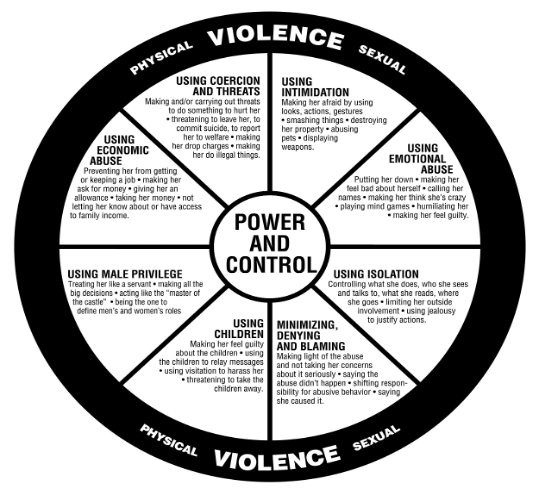
The NDVH (n.d.-b) views the element of controlling the victim as central to understanding IPV. Whether the control is physical, emotional, mental, sexual, or financial, it leads to a lack of access to resources, services, and emotional or social support for the survivor. The Domestic Abuse Intervention Program (DAIP, n.d.-a) in Duluth, Minnesota, created a Power and Control Wheel (Figure 1) to visualize how abusers control and dominate their partners. The wheel is gender specific to females, as it was based on female victim stories of violence and survival, and demonstrates the imbalance of power in most male and female relationships. This wheel is a conceptual tool to better demonstrate how perpetrators exert control and how caregivers can effectively intervene. The outer ring includes physical and SV (or the threat of it), which is necessary for the control tactics within the wheel to work effectively. The spokes of the wheel contain various continuous ways that the individual causing abuse maintains control and power over their partner, either by economic means, intimidation, emotional abuse, isolation, coercion and threats, male privilege, via mutual children, or minimizing/denying/blaming the victim (commonly referred to now as gaslighting). The power and control obtained over the victim/partner are an indirect result of the battering behaviors, not the intention of the abuser. While the tool was originally developed in the early 1980s to describe females as victims in heterosexual relationships, the group does advise that IPV in same-sex relationships often shares many of the same characteristics. This tool can train health care and criminal justice staff to better understand the underlying patterns often seen in IPV (DAIP, n.d.-b).
Figure 1
Power and Control Wheel
(DAIP, n.d.-b)
Cultural Views of IPV
Throughout history, females and children have fulfilled roles different from those of their male counterparts. Various cultures further view a female’s role differently from a male’s. For instance, in certain cultures, if a female spent too much money or was found to be unfaithful to their spouse, the spouse had the right to execute them. Males were permitted to sell their wives or children into slavery to pay off debts. Some historical civilizations viewed females as possessions of their husbands, and physical beatings were not uncommon. Early English law appears to have dictated to males how to beat their wives; the phrase “rule of thumb” is derived from a law permitting males to beat their wives with sticks no more than “thumb-sized.” Physical punishment of females has historically been encouraged by some cultures. If a husband failed to control their wife appropriately, they could be met with severe sanctions and legal stigma. While many of these traditional roles and behaviors may be viewed as antiquated and components potentially contributing to IPV from a modern viewpoint, historically, they were considered the norm (Criminal Justice, n.d.).
Risk and Protective Factors for Intimate Partner Violence
IPV results from multiple factors related to the individuals involved; the relationship, in general, the surrounding community; and the broader society. Risk factors may increase the likelihood of IPV, while protective factors may decrease it (CDC, 2024i). IPV can negatively affect the surrounding community by placing a strain on social service agencies and increasing public health costs. Within a community, poverty, violence, and a high degree of social disorder are associated with increased IPV. In a general societal view, IPV can be affected by IPV laws and the cultural norm view of aggression toward other individuals. Within a community, safe housing, physical and mental health resources, and economic support can function as protective factors in reducing IPV (Natarajan et al., 2026).
Risk Factors for IPV
Risk factors for IPV can be broken down into categories: perpetration, the relationship, the community, and general society.
Individual risk factors for perpetration:
low self-esteem
low education or income
young age
aggressive or delinquent behavior as a youth
heavy alcohol and drug use
depression and suicide attempts
anger and hostility
lack of nonviolent social problem-solving skills
antisocial personality traits and conduct problem
poor behavioral control and impulsiveness
traits associated with borderline personality disorder
history of being physically abusive
having few friends and being isolated from other people
economic stress (e.g., unemployment)
emotional dependence and insecurity
desire for power and control in relationships
hostility toward females
attitudes accepting or justifying violence and aggression
history of physical or emotional abuse in childhood (CDC, 2024i, para 2)
Relationship risk factors for IPV:
dominance and control of the relationship by one partner over the other
families experiencing economic stress
unhealthy family relationships or interactions
association with antisocial or aggressive peers
parents with less than a high school education
witnessing violence between parents as a child
history of experiencing poor parenting as a child
history of experiencing physical discipline as a child (CDC, 2024i, para 3)
Community risk factors for IPV:
communities with high rates of poverty and limited educational and economic opportunities
communities with high unemployment rates
communities with high rates of violence and crime
communities where neighbors do not know to look out for each other and there is low community involvement among residents
communities with easy access to drugs and alcohol
weak community sanctions against IPV (e.g., unwillingness of neighbors to intervene in situations where they witness violence; CDC, 2024i, para 4)
Societal risk factors for IPV:
cultural norms that support aggression toward others
income inequality
weak health, educational, economic, and social policies/laws (CDC, 2024i, para 5)
Protective Factors for IPV
Relationship factors that reduce the risk of IPV include having positive, stable relationships and strong societal support. Community factors that further deter IPV include neighborhoods with collective cohesiveness among residents who are willing to intervene for the common good. Additional protective factors include coordinating resources and services among community agencies, ensuring access to safe housing, medical and mental health services, and financial assistance (CDC, 2024i).
Special Population Groups
Adult females are frequently the survivors of IPV and SV; however, males can also be victims. Special populations also at risk include children and adolescents, individuals with a mental or physical disability, ill individuals, older adults, females of color, immigrant females, members of the LGBTQIA+ (lesbian, gay, bisexual, transgender, queer/questioning, intersex, and asexual, aromantic, or agender) community, those experiencing homelessness, low socioeconomic status, and those living in remote or rural areas (ACOG, 2012; CDC, 2024d, 2026b).
Risk and Protective Factors for Perpetration Against Children
About one in seven children experiences abuse and neglect yearly in the United States. In 2018, the CDC estimated the economic burden of child maltreatment at over $592 billion. Children can be survivors of neglect or physical, sexual, or emotional abuse. This can be perpetrated by a parent, caregiver, teacher, clergy member, or any other person in a position of authority over the child. Children living in a low socio-economic environment have five times the risk of abuse than children in higher socioeconomic environments. Children may not be the target of IPV, but up to 75% of the reported IPV incidents have occurred while children were present at home. Children in homes with caregiver IPV are less likely to receive preventive care and immunizations on a timely schedule. Up to 50% of children with caregiver IPV experience delays in language development or physical health problems (CDC, 2024b; Doswell et al., 2025).
A child who witnesses IPV is at increased risk for maltreatment. Individual risk factors for child abuse are related to victimization, including age and special needs. A child under four is at a higher risk than an older child. Conditions such as autism, developmental delays, and chronic physical or mental illnesses increase the caregiver burden, increasing the risk of abuse or violence (CDC, 2024h; Doswell et al., 2025). As with adults, child abuse and neglect occur due to the same combination of factors at the individual, relationship, and community levels.
Risk Factors for Perpetration Against Children
Individual risk factors for perpetration:
caregivers with drug and alcohol abuse issues
caregivers with mental health issues, including depression
caregivers who do not understand children’s needs or development
caregivers who were abused or neglected as children
caregivers who are young or single parents or parents with many children
caregivers with low education or income
caregivers experiencing high levels of parenting stress or economic stress
caregivers who use spanking and other forms of corporal punishment for discipline
caregivers in the home who are not the biological parent
caregivers with attitudes accepting of or justifying violence or aggression (CDC, 2024h, para 3)
Relationship/family risk factors for perpetration:
families that have household members in jail or prison
families that are isolated from and not connected to other people (extended family, friends, neighbors)
families experiencing other types of violence, including relationship violence
families with high conflict and negative communication styles (CDC, 2024h, para 4)
Community risk factors for perpetration:
communities with high rates of violence and crime
communities with high rates of poverty and limited educational and economic opportunities
communities with high unemployment rates
communities with easy access to drugs and alcohol
communities where neighbors do not know or look out for each other
communities where there is low community involvement among residents
communities with few community activities for young people
communities with unstable housing where residents move frequently
communities where families frequently experience food insecurity (CDC, 2024h, para 5)
Protective Factors for Perpetration Against Children
The goal is to prevent abuse and neglect before it happens. Among the preventive techniques is strengthening economic support for families through a family-friendly work policy or household financial security. Social norms and educational campaigns focusing on positive parenting and coaching are effective. Children should have quality care and education during their toddler, preschool, and early elementary years. These can be encouraged through state licensing and accreditation of daycare centers and early childhood programs. Initiatives such as early childhood programs and home visits can promote parenting skills and healthy child development. Finally, pediatricians and primary care providers should monitor for and intervene in high-risk situations where future abuse and neglect are suspected to minimize the effects and possibly avoid future concerns (Stirling et al., 2024; Stulz et al., 2024). Protective factors for perpetration include factors at the individual, relationship, and community levels (CDC, 2024h).
Individual protective factors for perpetration:
caregivers who create safe, positive relationships with children
caregivers who practice nurturing parenting skills and provide emotional support
caregivers who can meet basic needs of food, shelter, education, and health services
caregivers who have a college degree or higher and have steady employment (CDC, 2024h, para 6)
Relationship/family protective factors for perpetration:
families with strong social support networks and stable, positive relationships with the people around them
families where caregivers are present and interested in the child
families where caregivers enforce household rules and engage in child monitoring
families with caring adults outside the family who can serve as role models or mentors (CDC, 2024h, para 7)
Community protective factors for perpetration:
communities with safe, stable housing
communities where families have access to high-quality preschool
communities where families have access to nurturing and safe childcare
communities where families have access to safe, engaging after-school programs and activities
communities where families have access to medical care and mental health services
communities where families have access to economic and financial help
communities where adults have work opportunities with family-friendly policies (CDC, 2024h, para 8)
Adverse Childhood Experiences
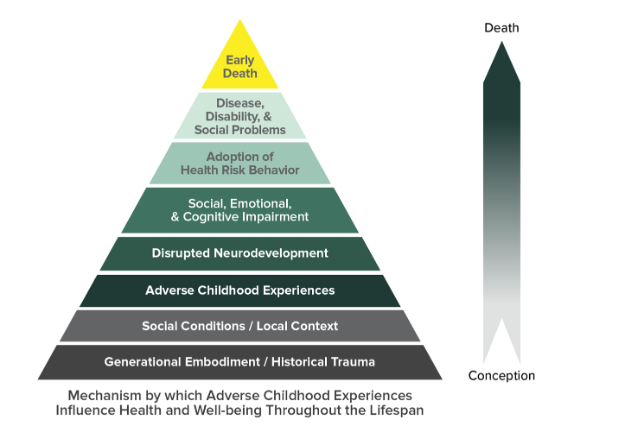
Child abuse and neglect leave a long-lasting impact on survivors. Adverse childhood experiences (ACEs) are potentially traumatic events such as experiencing violence or neglect, witnessing violence, or having a family member attempt or die by suicide. ACEs can also result from growing up in a household that experiences parental separation, mental health, or substance use issues. The majority of high school students report experiencing at least one ACE, with females, Indigenous youth, and LGBTQIA youth experiencing the highest occurrences (CDC, 2026a). The ACE Study, conducted in 1994, collected data on ACEs from over 17,000 patients. The ACE Pyramid, shown in Figure 2, was developed to demonstrate the cumulative effects of childhood stressors over a lifetime (Anda, 2020).
Figure 2
The ACE Pyramid
(National Institute of Dental and Craniofacial Research, 2021)
Laws vary in each state related to circumstances that constitute children witnessing IPV when the act is committed in the presence of a child. Nine states consider an act of violence in the presence of a child to be “aggravating circumstances” during their sentencing guidelines and may impose a harsher sentence or increased fines. In 15 states and Puerto Rico, witnessing IPV by a child occurs when the child is present or can hear or see the violent act. In 12 states, the law is broad enough to include any child, not just a child related to the IPV incident. Ten states and Puerto Rico specify that the child be related to a member of the household of the perpetrator or the victim. Some states require the perpetrator to pay for counseling services that a child who witnessed the abuse may require (Child Welfare Information Gateway, 2021).
Preschool children exposed to IPV exhibit lower self-esteem and demonstrate more behavioral problems than school-age children. Thus, exposure to IPV interferes with developing a sense of security and safety. These children develop increased attention toward threatening stimuli. This increases the risk of internalizing problems. It is associated with social withdrawal, depression, and social and general anxiety. There are more psychological adverse outcomes than in children not exposed to IPV or who have experienced physical abuse. Therefore, any childhood violence, which includes exposure to IPV within the home, can be detrimental to a child’s mental health. Studies have also shown that children and adolescents exposed to toxic stress can have negative changes in brain development. This stress can result from experiencing racism, having limited access to medical services, poverty, lack of food, living in impoverished neighborhoods, mental health issues, substance use disorder, and exposure to violence in the home (Cleaver, 2025; Doroudchi et al., 2023; Schubert, 2022).
Adolescents
Violence in youth and adolescents is a national issue. During the period 2016 to 2022, juvenile offenders were responsible for 14% of crimes, with the use of firearms occurring more frequently (Lantz & Knapp, 2024). Bullying is reported by one in five high school students, and social media bullying is reported by one in seven. About 14 adolescents are victims of homicide each day, and 1,300 are treated at hospitals for nonfatal assaults and subsequent injuries. Youth violence can start early, with bullying and physical aggression. Exposure to IPV as an adolescent has been shown to correlate with violence into adulthood and be associated with both dating violence and IPV exposure later in life. Exposure to violence at a young age can lead to altered brain development and perpetuate the cycle of abuse (CDC, 2024e, 2024g).
Dating among adolescents is a particular concern. Adolescent dating violence can include physical, sexual, psychological, or emotional abuse by an intimate partner. It may involve stalking, with one in 12 adolescents experiencing some type of physical violence while dating. In adolescents, females experience dating and SV more than their male adolescent counterparts. LGBTQIA adolescents reported more dating violence than heterosexual students (CDC, 2025b). Peer pressure can accelerate violence in this group, combined with a social environment that may influence adolescents to remain in unhealthy relationships to fit in socially (Palumbo, 2025).
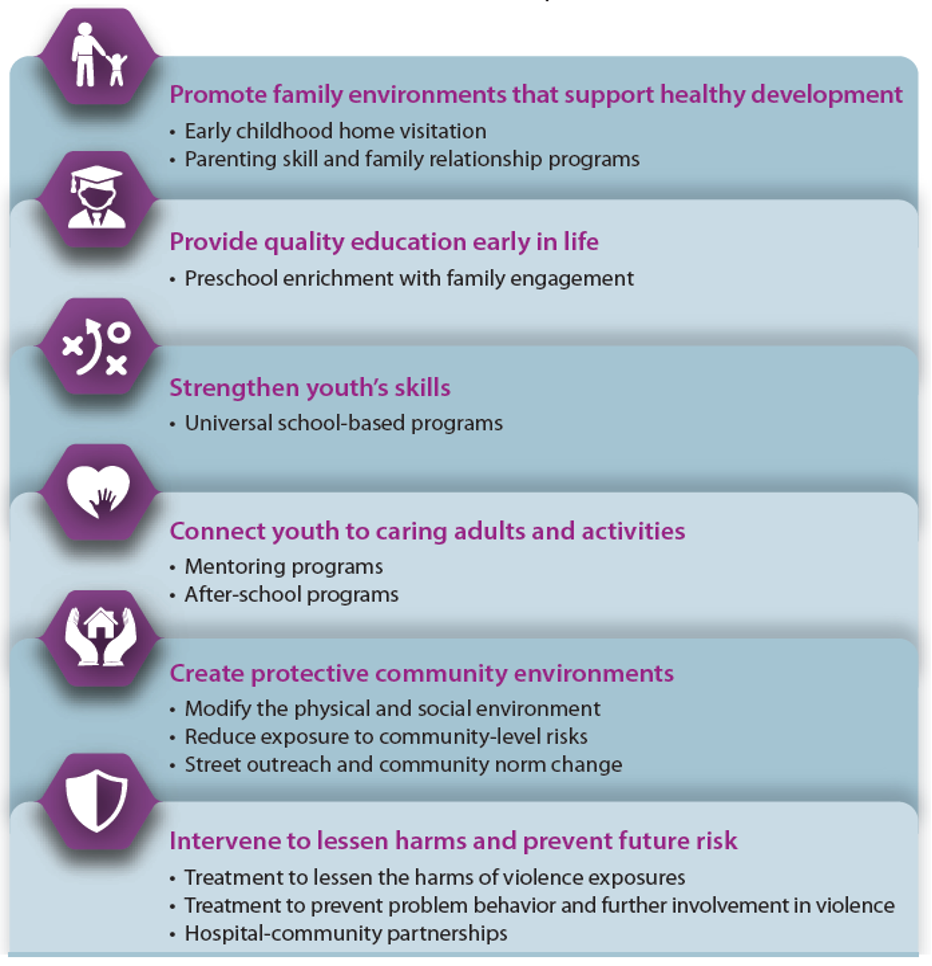
The CDC (2016a) offers a technical package on its website titled “A Comprehensive Technical Package for the Prevention of Youth Violence and Associated Risk Behaviors.” Figure 3 outlines these strategies briefly.
Figure 3
Strategies to Prevent Youth Violence per the CDC
(CDC, 2016a)
The effects of youth violence are lifelong, including adverse health and well-being, future risk of violence in relationships, victimization, smoking, substance use, obesity, high-risk sexual behavior, depression, academic difficulties, school dropout, and suicide. Youth identified as survivors or perpetrators of abuse should be assessed for previous violence and abuse by others (Staus, 2024).
People With Disabilities or Individuals Who Are Ill
Disability affects almost 25% of adults in the form of a physical, emotional, or cognitive disability. Up to 70% of people with disabilities have experienced some form of physical or SV. A female with a disability is a victim of IPV 40% more than a nondisabled female, with up to 80% of females with disabilities reporting sexual assault. Both genders with disabilities experience higher rates of psychological abuse. Children with disabilities are physically and sexually abused more often than nondisabled children. People with disabilities often rely on caregiver assistance, which promotes a power imbalance. Disability often limits the social circle of acquaintances, allowing the vast majority of abuse against a person with a disability to be perpetrated by someone they trust. Up to 80% of abuse against a person with a disability goes unreported due to the dependence on the individual causing the abuse. Individuals with disabilities can experience abuse in a variety of ways that differ from standard abuse behavior (Sanctuary for Families, 2022).
Forms of abuse in the population of individuals with disabilities:
- invalidating or minimizing the disability
- refusing to help with necessary daily tasks (e.g., using the bathroom, dispensing medication)
- overmedicating, tampering with, and/or withholding medication
- denying access to health care appointments or disability resources
- sexual assault when a disability inhibits a person’s ability to consent
- destroying or denying access to mobility devices (e.g., wheelchairs and walkers)
- harming or threatening to harm a service animal
- using the disability to cause shame and humiliation and justify the abuse
- threats of abandonment
- intentionally ignoring personal care and hygiene (Sanctuary for Families, 2022, para 7)
Mental illness, such as major depressive disorder, bipolar disorder, and schizophrenia, has a slightly increased risk of perpetrating violence compared to individuals without mental illness. The violent behavior is often directed toward family members. Individuals diagnosed with mental illness are predisposed to abuse (D'Angelis, 2022). Exposure to repeated trauma can increase fear and social isolation, which can affect existing mental health illnesses (American Psychiatric Association [APA], n.d.).
Older Adults
Abuse of an older adult occurs as either an intentional act or a failure to act in a manner that causes or creates harm to an adult aged 60 or older, with the abuse often perpetrated by a caregiver or trusted person. Approximately one in ten older adults living in their own homes experiences abuse or neglect. Abuse in older adults differs from that in younger adults in that the majority of the abuse is directed at males rather than females. In 2022, the economic cost of older adult violence reached almost $33 billion. For every case reported, research suggests that an estimated 20 or more cases are unreported (CDC, 2024a). Risk and protective factors previously discussed also apply to the older adult population. The HCP should understand the risk factors to identify opportunities for prevention.
Risk Factors for Perpetration Against Older Adults
Individual risk factors for perpetration:
current diagnosis of mental illness
current or past abuse of drugs or alcohol
current physical health problem
past experience of disruptive behavior
past experience of traumatic events
high levels of stress
poor or inadequate preparation or training for caregiving responsibilities
inadequate coping skills
exposure to or witnessing abuse as a child
social isolation (CDC, 2024f, para 2)
Relationship risk factors for perpetration:
high financial and emotional dependence on a vulnerable elder
past family conflict
inability to establish or maintain positive prosocial relationships
lack of social support (CDC, 2024f, para 3)
Societal risk factors for perpetration in an institution:
staffing problems and lack of qualified staff
staff burnout and stressful working conditions (CDC, 2024f, para 4)
Protective factors for abuse of older adults have not received as much research historically. An individual protective factor is emotional intelligence. Having a strong social support system is a protective factor in relationships. A community protective factor is having the older adult feel connected and involved in the community (CDC, 2024f). HCPs can act to prevent violence against older adults by identifying signs of abuse in this patient population and how it differs from the normal aging process. The HCP can also raise awareness among the older adult population about their legal and social support options and assist them in addressing situations where their safety is questionable. It is also vital to recognize when a caregiver is feeling overburdened and provide community resources to assist with care (CDC, 2024a). Despite concerns regarding elder abuse, the US Preventive Services Task Force (USPSTF, 2025) notes insufficient evidence to routinely screen for caregiver abuse and neglect in older and vulnerable adults.
The consequences of abuse in older adults are physical and psychosocial. Abuse can show in a variety of ways, including physical injuries such as bruises, broken bones, burns, pressure injuries, anxiety, or changes in behavior such as becoming withdrawn, or changes in banking or spending patterns (National Institute on Aging, 2025). Diminishing capacity that can present in older adults can create a situation of vulnerability. Elder abuse victims often experience significant depression and are at increased risk for suicidal ideation. Identifying the presence of depression and providing psychotherapy has been shown to improve mental health in the older adult abuse patient (Burnes et al., 2022; Rollandi et al., 2025).
People of Color and Immigrants
The effects of IPV are disproportionately borne by females of color in the United States, including immigrant and Indigenous persons. Cultural acceptance of male partner violence is present in some ethnic groups and may be accepted as normal behavior. There may be religious beliefs in the community that tolerate abusive behavior. Many barriers exist for IPV victims when considering leaving an abusive relationship. Immigrant victims may lack resources, social contacts, experience a language barrier, and fear deportation if they seek assistance. Members of minority and immigrant communities who have experienced abuse often distrust law enforcement, and may lack awareness of the legal services available to assist them (Hulley et al., 2023).
Native American and Alaska Native (NA/AN) females experience the highest rate of IPV. Some form of violence has been experienced by over 80% of Indigenous females, with the rate of homicide 2.8 times higher than in their white female counterparts. The overwhelming majority of perpetrators of violence against Indigenous females are from outside their ethnic community. Females living on Indian reservations often face unique legal barriers due to the laws governing their territories and the rights of their residents (Indian Law Resource Center, n.d.; National Institute of Justice, 2023; Parker et al., 2024).
Most of the abuse toward native females and children relates to historical victimization. The repression of NA/AN has limited their economic resources and caused a dependency through retracting tribal rights and sovereignty. Both groups suffer from the normalization of violence and internal oppression. Many perpetrators are found to use alcohol or drugs before violent events. A higher rate of substance use is often correlated with community issues, including repression, tribal laws, lack of medical or social support, and a fundamental lack of trust outside the community. These factors can lead to alcohol and substance use, mental anguish, and suicide (Indian Law Resource Center, n.d.; National Institute of Justice, 2023; Parker et al., 2024).
African American females also experience a high rate of IPV and are victims of homicide from an intimate partner twice as often as white females. In this group of victims, racial discrimination often hinders receiving assistance (Waller & Bent-Goodley, 2023). Latin countries report a generally higher incidence of abuse against females compared to the rest of the world. Latin/Hispanic females report a higher rate of IPV, at 14%, with a reoccurrence rate as high as 59%. Many Latin females experienced an even higher rate of IPV once they immigrated to the United States, finding increased barriers to assistance due to immigrant status (Zolnikov et al., 2023). Physical and mental conditions previously discussed due to abuse are also seen in minority IPV victims. Females of color and immigrant females are more likely to live in poverty, have lower levels of education, and have less access to health care, which limits their ability to manage the adverse effects and complications of IPV (Johnson et al., 2022).
LGBTQIA+ (Lesbian, Gay, Bisexual, Transgender, Queer/Questioning, Intersex, and Asexual, Aromantic, or Agender)
Studies have shown that 25% of males identifying as homosexual and 37.3% of bisexual males report experiencing IPV. Bisexual males experience some form of IPV five times more than their heterosexual counterparts. Studies have documented rates of violence toward gay and bisexual males as high as rates toward females overall. Bisexual and lesbian females also experience significantly higher victimization rates compared to heterosexual females. Psychological aggression and stalking incidents of IPV are higher in sexual minority relationships. Threats to expose the victim’s sexual preference are common forms of psychological abuse. Victimization against the lesbian, transgender, gay, and bisexual population is higher for all groups than for the heterosexual population. Transgender individuals are more likely to experience IPV in public than cisgender individuals at 2.5 times the rate of violence in cisgender individuals. Ethnic groups in all LGBTQIA groups experience higher rates of violence than their cisgender counterparts. They are more likely to experience harassment, threats, or intimidation. Violence among the LGBTQIA population includes physical violence, verbal harassment, threats and intimidation, isolation, online or telephone harassment, stalking, SV, or economic/financial violence (Callan et al., 2021; Craig, 2025; Rustagi et al., 2023; Truman & Morgan, 2022).
Culturally appropriate care for the LGBTQIA community is essential to meet their unique needs. Barriers to care, vulnerabilities, and lived experiences can create a culture that diminishes the group’s needs. Education should focus on the current problems the LGBTQIA community faces and encourage awareness of these issues within health care organizations and providers. HCPs should use affirmative communication strategies and gender-inclusive language when communicating with the LGBTQIA community. Early intervention, preventive programs, and campaigns against IPV can improve outcomes for this vulnerable population (Callan et al., 2021; National LGBT Health Education Center, 2019).
Those Experiencing Homelessness
IPV is cited as one of the primary causes of homelessness. Low income, unemployment, economic stress, and poverty are risk factors for IPV perpetrators (CDC, 2024i). Up to 57% of females who experience homelessness report that the immediate cause was IPV. This rate exceeds 80% among women with children. Staying in an abusive situation due to lack of alternative housing was reported by 45% of IPV survivors. Barriers for the unhoused population include a lack of affordable housing, financial insecurity, a lack of transportation, and a lack of childcare. The unhoused population is generally economically disadvantaged, with inconsistent employment and a lack of rental history affecting the ability to secure housing. The Supreme Court’s 2024 ruling that cities could prohibit sleeping and camping in public spaces is expected to increase the risk for violence in the unhoused population (Arismendy, n.d.; Stulz et al., 2024).
Socioeconomic Status and Rural Communities
Higher levels of violence are associated with financial strain and lower economic status. A loss of employment also contributes to the rates of IPV. A female living in low-income housing or lower economic neighborhoods is more likely to experience IPV. Poverty is a major reason for continuing a relationship where IPV exists because the abuser has power and control over the victim. Unfortunately, individuals with low to no income may feel trapped in an abusive relationship, especially if children are involved. They rarely have the necessary resources to leave the violent situation. If they leave the relationship, many will return to the abusive partner to obtain the resources needed to care for their children (Connections for Abused Women and Their Children, 2024).
The effects of IPV and SV in rural communities are directly related to geographical isolation as well as limited access to resources/services, distance/transportation barriers, a lack of acceptance of alternative lifestyles, and a relative paucity of shelters and affordable housing. Children in rural areas experience almost twice the rate of maltreatment as urban children. Pregnant rural residents also experience physical violence more often than urban residents. Survivors in small towns are less likely to report abuse if they or their abuser are familiar with their HCPs and law enforcement officers, citing concerns about not being believed, breaches in confidentiality, tarnished reputation, or escalated violence/retaliation (Kozhimannil et al., 2023; Rural Health Information Hub, 2026).
Male Victims/Survivors
Very few studies focus on the male survivor of IPV or SV, and male victimization is underreported, undertreated, and underrecognized by HCPs. Domestic abuse does not discriminate and occurs to male individuals from all cultural backgrounds and occupations. Within any vulnerable group, males or females may be the victims; however, specific instances and situations relate to male individuals who experience IPV and SV. When a victim is male, and the perpetrator is female, there is a stronger social stigma associated with IPV. Domestic abuse is typically portrayed as a gender crime perpetrated by males toward females. The abuse can be psychological, physical, sexual, financial, or emotional. Statistics vary according to reporting agencies, but as many as one-third of male individuals report being a survivor of IPV or SV during their lifetime. Male survivors may not report abuse, feeling isolated in this experience, embarrassed by it, and fearful that they will not be believed. Male victims have reported that law enforcement has not been supportive of their reports of IPV. Unfortunately, males are less likely to be suspected of being a victim or asked about abuse, less likely to seek help, and less likely to be believed when reporting abuse than their female counterparts. Even when HCPs recognize abuse among males, the survivor may not realize it is abuse. Often, the provider fails to offer support and empathy, which prevents the victim from seeking help; thus, the abusive cycle continues (Domestic Violence Services Network, 2024; McLeod et al., 2024).
There are significant consequences for the male survivor of IPV and SV. The effects may be emotional, behavioral, or social. Sexually abused males have higher rates of PTSD, substance use, and suicide. High-risk sexual behavior, fighting, and dating violence are also common among survivors of SV. Perpetrators of male IPV and SV may be male or female, regardless of sexual orientation. Males are more likely to report sexual abuse where the perpetrator is a family member; however, most SV in males is from nonfamily members. Given the low rates of self-disclosure of IPV and SV among males, HCPs must be trauma-informed and do their part to create a culture that gives male survivors the same considerations as female survivors. However, gender-specific care should be administered to create a safe and supportive environment for male survivors of IPV and SV (Domestic Violence Services Network, 2024; McLeod et al., 2024).
The Effects of the COVID-19 Pandemic on IPV
History has shown that during periods of crisis or instability, IPV rates have increased. This was again demonstrated during the COVID-19 pandemic, with rates of IPV increasing during the quarantine period. Rates of abuse toward children decreased during the same period, which was felt to be related to a lack of reporting due to school closures. Factors contributing to the rise include unemployment, lower socioeconomic status (compared to prepandemic), family mental illness, overcrowding, and a COVID-19 diagnosis within the family unit. Measures implemented to control the spread of COVID-19, such as social distancing and stay-at-home orders, increased the vulnerability to IPV and decreased access to support networks. These measures were implemented to protect individuals from infection; however, they forced victims to be quarantined with their abusers. Unfortunately, the pandemic caused increased unemployment, especially among immigrants, females of color, and individuals without a college degree, exacerbating financial stress and entanglement. Public health measures implemented to limit the spread of COVID-19 reduced access to alternative housing, as hotels and shelters reduced capacity or shut down (Kourti et al., 2023). The pandemic resulted in quarantine, but it also caused an increase in alcohol use, PTSD, and depression, all of which exacerbated IPV (Newman, 2021). The pandemic also forced many providers to use telemedicine, thereby reducing the number of face-to-face encounters. This also created barriers to assessing IPV and to screening the patient alone. Providers should screen for IPV during telemedicine appointments and discuss safety planning with the patient (Kourti et al., 2023).
Prevention of IPV/SV
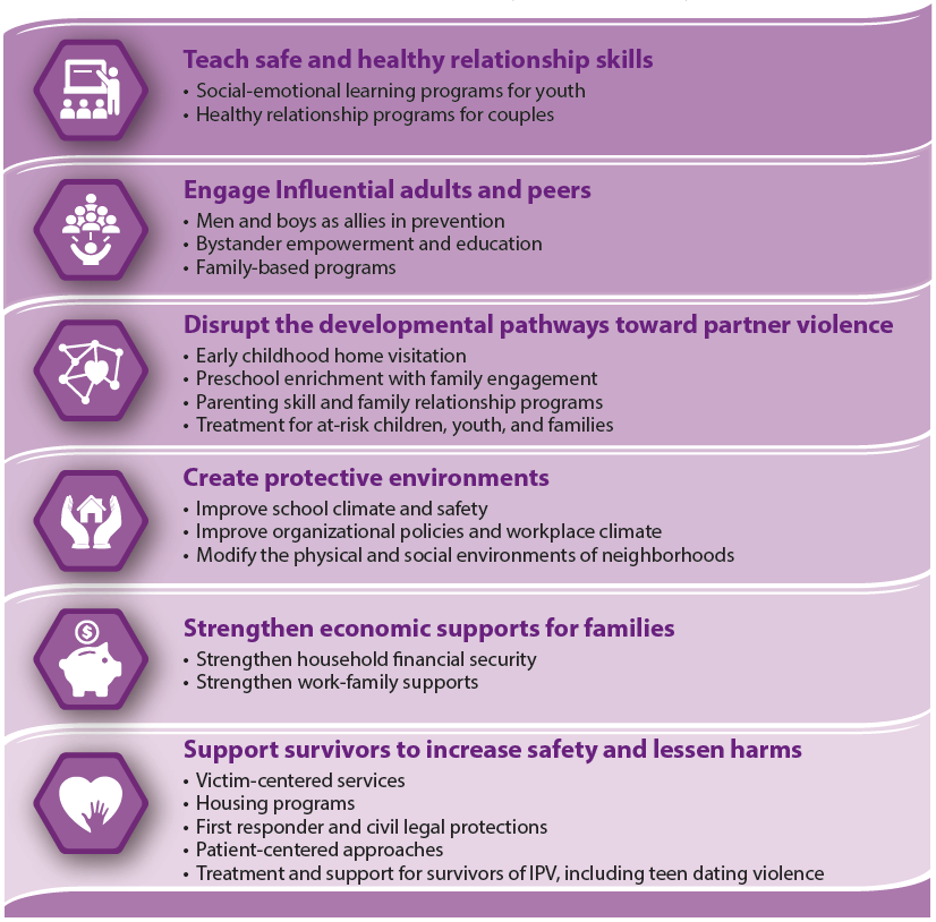
According to the CDC (2024j, 2025b), prevention is key to reducing IPV. Encouraging the development of respectful, nonviolent relationships, and broader communities can reduce the incidence of IPV. The details of these prevention steps are shown in Figure 4 (CDC, 2024j).
Figure 4
Preventing IPV
(CDC, 2024j)
The CDC (2024d) also developed the Public Health Approach to Violence Prevention (PHAVP), which outlines four clear steps to prevent violence:
- define and monitor the problem
- identify risk and protective factors
- develop and test prevention strategies
- assure widespread adoption (CDC, 2024d)
Health care facilities can adopt this approach through ongoing surveillance and reporting to the appropriate agencies. The first two steps focus on defining the problem by sharing statistics and understanding the risk and protective factors. PHAVP can create a trauma-informed culture that readily identifies survivors and patients at risk for victimization. Violence prevention aims to decrease the risk factors and increase protective factors. In the third step, strategies are explored and defined to develop the optimal interventions to reduce or prevent violence. Finally, in step four, proven strategies are shared within health care communities, leading to the broad adoption of best practices. Ongoing monitoring, assessment, and evaluation are necessary to stay ahead of trends or identify opportunities to improve interventions (CDC, 2024c).
To prevent SV, the CDC developed the STOP SV acronym, whose components are depicted in Figure 5 (CDC, 2016b).
Figure 5
STOP SV
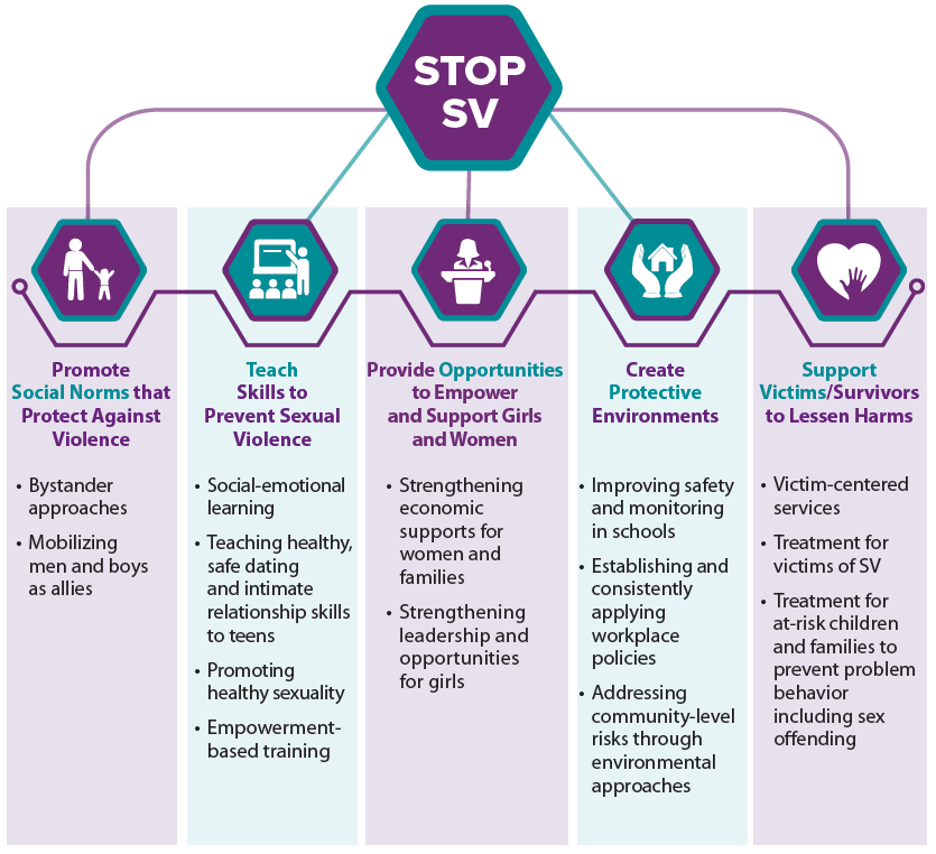
(CDC, 2016b)
Common Indicators of IPV and SV
To identify patients potentially experiencing IPV or SV, the HCP must first be educated to recognize the signs and symptoms in all groups, including females, males, children, and all the vulnerable populations discussed in this module (Suniega et al., 2022). The following list of signs and symptoms notes common indicators of abuse that HCPs should be watchful for when caring for patients:
injuries that point to a defensive position over the face (bruises and marks on the inside of the arms or back)
injuries to the chest and stomach, reproductive organs, and anus
illness or injuries that do not match the cause given
a delay in requesting medical care
injuries and bruises of various colors, indicating that they did not occur together
repeat injuries, or someone who is “accident prone” with evidence of multiple healed fractures on radiograph
ruptured eardrums
injuries during pregnancy
repeated reproductive health problems, such as repeated miscarriages, early delivery, STIs, vaginal discharge, or sexual dysfunction
psychological or behavioral problems
suicide attempts or signs of depression
repeat and chronic medical concerns, pelvic issues and pains, psychological diseases, chronic headaches (including migraines)
repeatedly missing work, school, or social obligations without explanation
behavioral signs such as multiple visits seeking medical care; a lack of commitment to appointments; not displaying any emotion or crying very easily; an inability to undertake daily interactions; negligence; defensive positions; stilted speech; avoiding eye contact; discomfort in the presence of their partner; acting nervous or anxious; attempting to hide injuries with sunglasses, scarfs, or outerwear; and animosity in body language (Suniega et al., 2022; van Houten et al., 2022; Washington State Department of Social and Health Services, n.d.).
If present, the abuser/partner may display extreme or irrational jealousy or possessiveness. Abusers may attempt to control the time spent with the provider or nurse by insisting on staying close to the patient and speaking on their behalf (Kippert, 2022). Injuries may be physical, including bruises and fractures, and can be quickly recognized by an HCP. However, the abused individual may exhibit various cardiovascular, gastrointestinal, reproductive, musculoskeletal, or central nervous system conditions, typically chronic and less obvious to the HCP. Mental health conditions such as depression and anxiety may be related to current or previous IPV or SV. Survivors of IPV or SV may present with reports of poor appetite, disturbed sleep, or mood disorder symptoms. Warning signs of abuse may also include asthma, stress-related illnesses, anxiety/panic attacks, vague aches and pains, chronic diarrhea, abdominal pain, bladder/kidney infections, joint pain, or muscle pain (Weil, 2025a).
Screening Tools
The primary role of HCPs is to recognize potential survivors of IPV and SV, provide screening, and offer interventions and resources. The USPSTF (2025) recommends universal screening of all females of reproductive age for IPV (grade B) but did not find sufficient evidence to recommend screening for/against older or vulnerable adults. Various screening tools are available for HCPs. There is no preference for a single instrument but rather a consistent pattern of patient screening with an organizational culture of trauma awareness. Privacy should be provided when screening for violence (National Sexual Violence Resource Center [NSVRC], 2024; Weil, 2025a).
Medical interpreters (MIs) should be covered/reviewed with HCPs as a component of cultural competency training. It is especially pertinent when screening for IPV in those patients who do not speak English as their first language. The HCP should assess whether an MI is needed and discuss it with the patient to ensure the patient consents to its use. HCPs should brief the MI on the most crucial aspects before the patient arrives to ensure efficient transfer of information (NSVRC, 2024; Victim Rights Law Center, 2019). When using an MI, it is important to remember the following:
- MIs utilize conduit-style interpretation, a literal translation delivered in the first person without clarification, summarization, or omission.
- HCPs should speak in short sentences and avoid extensive medical jargon except when necessary.
- HCPs should sit across from the patient at eye level and speak directly to the patient, allowing a clear and unobstructed view of the patient and the HCP by the MI.
- When doing a physical examination, a curtain should be used to protect the patient’s privacy while allowing the MI to hear and continue interpreting during the examination.
- A short debrief with the MI following the examination should occur, thanking them for their assistance; the medical record should include the MI’s name and any other prudent agency contact information (Asian Pacific Institute on Gender-Based Violence, 2015; NSVRC, 2024; Potter et al., 2026; Victim Rights Law Center, 2019).
The Humiliation, Afraid, Rape, Kick (HARK); Hurt/Insult/Threaten/Scream (HITS); Extended-Hurt/Insult/Threaten/Scream (E-HITS); Partner Violence Screen (PVS); and Woman Abuse Screening Tool (WAST) are validated screening tools to assess for IPV and SV. The HARK has four questions assessing for emotional and physical abuse in the past year. The HITS has four items that determine the frequency of IPV, and the E-HITS includes additional SV-related issues. The PVS has three questions that assess for physical abuse and the safety of the individual. The WAST assesses for physical and emotional IPV via eight questions (Weil, 2025a).
A concerted effort should be made to conduct screening for IPV and SV in private, which may be difficult with children, people with disabilities, and other vulnerable populations who depend on caregivers for transport and assistance within the health care system. Language barriers or other communication disabilities should also be considered, such as blindness or hearing impairment. Privacy allows the survivor to respond to screening questions without fear of retaliation. In addition to using a screening tool(s), HCPs should assess for the physical and emotional signs of abuse. Health centers across the country are advised to build partnerships with local IPV/SV programs; implement new/updated policies to prevent, identify, and care for IPV/SV survivors in collaboration with local IPV/SV programs; adopt the evidence-based intervention to educate patients on the connection between IPV and their health to promote wellness and safety; train providers/staff regarding the impact of IPV/SV on health outcomes and how to assess/care for survivors of IPV/SV; and evaluate and sustain progress through diligent quality improvement (Blumenfeld & Baca, 2021).
Despite being asked directly by an HCP about violence, survivors may choose not to disclose due to distrust or fear of subsequent violence. A study based on survivors’ advice suggests that the HCP alleviates the patient’s suspicions and stigma by explaining why they are asking. They also recommend creating a supportive, safe atmosphere and providing information and resources, regardless of disclosure status. The act of asking about IPV raises awareness, educates, and transmits compassion (NSVRC, 2024). Interviewing adolescent victims of abuse requires forming a connection with the victim and assessing their developmental stage, providing a sense of independence and control. HCPs should promote a sense of genuineness and be transparent in the proceedings (Deck et al., 2024).
Females of reproductive age have the highest prevalence of IPV, leading to unintended pregnancies, pregnancy complications, STIs, and other gynecological disorders and injuries related to IPV. An excellent opportunity exists for gynecologists and all HCPs providing care to females to assess, intervene, and provide resources for female patients experiencing IPV. It is important to screen all patients at various times throughout pregnancy because many females do not disclose IPV the first time they are questioned about it. IPV screening and counseling should be part of all preventive health and obstetric care for females. For pregnant patients, an assessment should occur at least once per trimester and again during the postpartum visit (ACOG, 2012; Lutgendorf, 2019).
Establishing Trauma-Informed Care for IPV/SV Survivors
Creating a culture of trauma-informed care or practice (TIC or TIP) can facilitate early recognition and intervention to decrease victimization. TIC addresses the concept that trauma affects the brain and can often have victims existing in survival mode even after the danger has resolved. The focus shifts to understanding how the experience affects the victim both mentally and physically. The focus with TIC becomes building trust in the victim and providing them with the space to make their own decisions. Health care organizations and teams must develop a complete picture of a patient’s past and present life situation to care for the entire patient with a healing orientation. If implemented optimally, TIC can improve patient outcomes, advance treatment adherence, and reduce health care and social services costs. Multiple principles underpin TIC (National Network to End Domestic Violence [NNEDV], n. d.). These include:
awareness of the effect trauma has on survivors
safety must be provided to survivors on both a physical and an emotional level
trustworthiness needs to be rebuilt in relationships
empowerment needs to be given to the survivors in the decision-making process (NNEDV, n. d.).
TIC requires a comprehensive approach that must include both the clinical and organizational levels. HCPs can provide TIC by focusing on:
realizing the widespread impact of trauma and understanding paths for recovery for the survivor
recognizing the signs and symptoms of trauma in patients, families, and staff
integrating knowledge about trauma into clinic policies, procedures, and practices
actively avoid retraumatization by recognizing triggers (Center for Healthcare Strategies, n.d.)
Within these principles, establishing emotional safety includes creating a physical environment that minimizes triggers. For example, this might consist of an area for children to play or a comfortable waiting area with minimal stimulation. Staff should adopt a nonjudgmental approach to all interactions, including questions. Programs should have well-developed policies related to TIC and communicate these policies clearly and effectively to all staff involved. Restoring choice and control allows the survivor to tell their “story” in their way within the time and space they choose. Facilitating connection also supports healing by encouraging the survivor to connect with staff, other survivors, their families, and community friends. One of the most challenging aspects of this particular skill for staff is learning to interact with the survivor and form mutual relationships. Supporting coping validates the survivor’s coping style without judgment. There is no specific way for a survivor to move through healing; this step facilitates progress without dictating how it is done. The survivor should understand that their response to the trauma is appropriate as long as it is helping them move through the healing process. Responding to identity and context may facilitate IPV survivors accessing available services. A lack of cultural inclusivity often retraumatizes survivors and prevents them from feeling safe. Most importantly, this step allows the survivor to understand what happened to them. The questions are designed to prompt the survivors to look within themselves and consider who they are and what happened during the abusive episode (Davies et al., 2025; NNEDV n.d.; Wathen & Mantler, 2022).
Barriers to delivering TIC may be within an individual or an organization. One potential individual barrier is a lack of confidence in confronting survivors about their experiences. HCPs have reported fears of offending survivors when asking screening questions. Identification of this fear further supports the need for a culture where assessment for IPV and SV is universal and not isolated to those perceived to be at risk. Consistently, nurses cite a lack of training as a barrier to screening for IPV and SV. Additional training, with opportunities for role-play or simulation, will increase comfort and confidence when addressing these issues with patients. Institutional barriers may include a lack of time, perceived powerlessness to help, or marginalization by colleagues or the organization. Improved identification of abuse can be achieved through increased training, robust policies and procedures, and an expectation of universal screening of all patients (Davies et al., 2025; Wathen & Mantler, 2022).
If an HCP determines that a patient is a victim or survivor of violence, they should acknowledge the trauma and assess the immediate safety of the patient and any children involved. A safety plan using local resources specific to their area is essential. The survivor should be given information on mental health services, crisis hotline numbers, rape relief centers, shelters, legal aid, and police contact information. It is incumbent upon each HCP to have this information prepared in advance or to be able to access it quickly if needed. The survivor should not be forced to accept assistance, and information should not be placed in their pocket or purse without their knowledge, as the perpetrator may find this information and escalate the violence. This mandate also further diminishes the survivor’s sense of control and autonomy. It is optimal to offer a private phone call for the survivor to connect with a local IPV agency, shelter, or the National Domestic Violence Hotline (NDVH). Particularly if the survivor needs an interpreter, the NDVH is multilingual and can support survivors whose primary language is not English. Since an abusive partner may monitor the survivor’s call logs, their personal phone should not be used (Blumenfeld & Baca, 2021; Weil, 2025b).
Mandatory Reporting
State and local reporting requirements vary by jurisdiction, and the nurse or HCP should be familiar with their local and state expectations. Some states designate school personnel, social workers, law enforcement, clergy, and therapists as mandatory reporters. Any known or suspected violence against vulnerable populations must be reported in the United States, although specific regulations will vary by state. Vulnerable individuals include children, older adults, and individuals with mentally disabilities. Incidents that involve adults who do not fall into a vulnerable population category do not always meet the requirement for mandatory reporting. Most states require that injuries caused in violation of criminal law by intentional or nonaccidental means or involving the use of a weapon be reported to the proper authorities. Failure to report suspected abuse can lead to fines or incarceration for the nurse or other HCP. To ensure compliance with state and federal reporting laws, local law enforcement or IPV agencies can help guide the nurse or HCP to the specific jurisdiction (Child Welfare Information Gateway, 2023; HeadStart.gov, 2025; National Center for Elder Abuse, 2019; Thomas & Reeves, 2023). HCPs should be aware of the reporting requirements in their state (World Population Review, 2026).
Reporting suspected abuse of a child is mandatory in all states. Child abuse and neglect must be reported to the relevant local and/or state department if there is reasonable cause to believe a child may be suffering physical or emotional abuse by specified mandated reporters in 46 states and the District of Columbia; the remaining four states, Indiana, New Jersey, North Carolina, and Wyoming, require all persons to report regardless of profession. Reporting should include harm or substantial risk of harm to a child’s health or welfare, sexual abuse, neglect, malnutrition, or physical dependence on a drug at birth. Reporting can be confidential in most states, although 19 states currently require mandatory reporters to provide their identity to assist in the investigation (Child Welfare Information Gateway, 2023).
Human Trafficking
Human trafficking is considered a violent crime and should be addressed when discussing IPV and SV. Human trafficking is modern slavery and may take the form of labor trafficking or sex trafficking. It is characterized by exploiting an individual with force, fraud, or coercion to either work or perform sexual acts. Risk factors for human trafficking targets include living in unsafe situations, poverty, being members of vulnerable populations, or being in an environment of abuse at home. Sex trafficking affects the survivor’s health, including increased risk for HIV/AIDS, STIs, pelvic pain, rectal trauma, or urinary difficulties. Potential long-term consequences for survivors of sex trafficking also include pregnancy secondary to rape or prostitution; infertility related to chronic, untreated STIs or unsafe abortions; infections or mutilations caused by sex traffickers’ “doctors”; chronic back pain; malnourishment; dental problems; diabetes; cancer; or infectious diseases such as tuberculosis. Physical signs of abuse, such as bruises, bites, and scars, may be present. The injuries may be in areas not readily visible, such as the lower back. Substance use is common in sex workers as they may be forced to take them by their perpetrators or use them voluntarily to cope with the situation. Mental health issues such as depression, panic attacks, shock, denial, or shame are common among survivors of human trafficking (Bradley & Macias-Konstantopoulos, 2026; CDC, 2024c).
There has been an increased awareness of human trafficking in recent years. The Trafficking Victims Protection Act was originally developed in 2000 to train and outline services needed for survivors of human trafficking; it was reauthorized in 2017 to expand resources and further address the needs of survivors. Prevention efforts should emphasize encouraging healthy relationships, fostering safe homes and neighborhoods, identifying vulnerabilities during health care visits, reducing the demands for commercial sex, and ending business profits from trafficking-related transactions (CDC, 2024c).
PTSD and IPV
The long-term effects of IPV and SV may include PTSD. The American Psychiatric Association (APA, 2025) defines PTSD as “a psychiatric disorder that can occur in people who have experienced or witnessed a traumatic event such as a natural disaster, serious accident, terrorist act, war/combat, rape or other violent assault.” Those experiencing PTSD have distressing thoughts and feelings toward their experience that last long after the event is over. The individual could experience flashbacks, nightmares, sadness, fear, anxiety, anger, poor interpersonal relationships, or attachment issues. A person with PTSD can have strong adverse reactions to loud noises or accidental touch. Symptoms of PTSD have four categories: intrusive thoughts, avoiding reminders, negative thoughts and feelings, or arousal and reactive symptoms. To be diagnosed with PTSD, these symptoms should be exhibited for over a month and may persist for years. PTSD may occur with other mental health conditions, such as depression or substance use disorder (APA, 2025).
Anyone impacted by IPV or SV can develop PTSD, and in most cases, the condition is complex. The factors related to PTSD in IPV and SV survivors can include the following:
feelings of guilt related to the violence
the age of the survivor
the duration of the trauma or abuse
the survivor’s perception of the trauma
a lack of social support
an inability to stop the abuse or violence (APA, 2025; Fernández-Fillol et al., 2021)
PTSD can also occur from perceived threats, and early recognition can avoid many of the long-term implications of PTSD. Children who are survivors of IPV or SV do not respond well to the standard treatment of reliving their experience during therapy. This group responds best to emotional regulation and group therapy that allows them to discuss their feelings. Adults with a history of abuse as children may also benefit from this treatment. A multi-faceted approach to caring for survivors of IPV and SV with PTSD is vital to promote safety, self-care, and protection from further violence (APA, 2025; Fernández-Fillol et al., 2021).
National Resources:
National Domestic Violence Hotline-
Call (800) 799-SAFE (7233)
Text START to 88788
Visit www.thehotline.org
International Resource: The WHO (2023) has provided an extensive checklist for national statistics offices, national research and data institutions, and research teams to guide future data collection and research to obtain high-quality survey data on IPV.
References
American College of Obstetricians and Gynecologists. (2012). Intimate partner violence (Committee Opinion No. 518, Reaffirmed 2025). https://www.acog.org/clinical/clinical-guidance/committee-opinion/articles/2012/02/intimate-partner-violence
American Medical Women’s Association. (2023). Understanding and addressing intimate partner violence in health care. https://amwa-doc.org/understanding-and-addressing-intimate-partner-violence-in-health-care/
American Psychiatric Association. (n.d.). Domestic violence. Retrieved July 20, 2026, from https://www.psychiatry.org/patients-families/domestic-violence
American Psychiatric Association. (2025). What is posttraumatic stress disorder (PTSD)? https://www.psychiatry.org/patients-families/ptsd/what-is-ptsd
American Psychological Association. (n.d.) Trauma. Retrieved July 20, 2026, from https://www.apa.org/topics/trauma
Anda, R. (2020). The adverse childhood experiences study: Child abuse and public health [White paper]. Prevent Child Abuse America. https://preventchildabuse.org/wp-content/uploads/2021/01/anda_wht_ppr_2020.pdf
Arismendy, E. (n.d.). Homelessness among abuse survivors: A deepening crisis. Retrieved July 24, 2026, from https://www.safeaustin.org/homelessness-among-abuse-survivors-a-deepening-crisis/
Asian Pacific Institute on Gender-Based Violence. (2015). Tip sheet: Considerations when using interpreters for victims with limited English proficiency. https://api-gbv.org/wp-content/uploads/2017/07/TipSheets-limitedEnglishproficiency-ITARC-2015.pdf
Blumenfeld, S., & Baca, J. (2021). Family-centered toolkit for domestic violence programs. National Center on Domestic Violence, Trauma, and Mental Health. https://ncdvtmh.org/wp-content/uploads/2022/10/NCDVTMH-Family-Centered-Toolkit.pdf
Bradley, E. T., & Macias-Konstantopoulos, W. L. (2026). Human trafficking: Identification and evaluation in the health care setting. UpToDate. https://www.uptodate.com/contents/human-trafficking-identification-and-evaluation-in-the-health-care-setting
Burnes, D., Pillemer, K., Rosen, T., Lachs, M. S., & McDonald, L. (2022). Elder abuse prevalence and risk factors: Findings from the Canadian Longitudinal Study on Aging. Nature Aging, 2(9), 784–795. https://doi.org/10.1038/s43587-022-00280-2
Callan, A., Corbally, M., & McElvaney, R. (2021). A scoping review of intimate partner violence as it relates to the experiences of gay and bisexual men. Trauma, Violence, & Abuse, 22(2), 233–248. https://doi.org/10.1177/1524838020970898
Centers for Disease Control and Prevention. (2016a). A comprehensive technical package for the prevention of youth violence and associated risk behaviors [Image]. https://stacks.cdc.gov/view/cdc/43085
Centers for Disease Control and Prevention. (2016b). Sexual violence prevention—Resource for action. https://www.cdc.gov/violence-prevention/media/pdf/resources-for-action/SV-Prevention-Resource_508.pdf
Centers for Disease Control and Prevention. (2024a). About abuse of older persons. https://www.cdc.gov/elder-abuse/about/index.html
Centers for Disease Control and Prevention. (2024b). About child abuse and neglect. https://www.cdc.gov/violenceprevention/childabuseandneglect/fastfact.html
Centers for Disease Control and Prevention. (2024c). About sex trafficking. https://www.cdc.gov/sexual-violence/about/about-sex-trafficking.html
Centers for Disease Control and Prevention. (2024d). About the public health approach to violence prevention. https://www.cdc.gov/violence-prevention/about/about-the-public-health-approach-to-violence-prevention.html
Centers for Disease Control and Prevention. (2024e). About youth violence. https://www.cdc.gov/youth-violence/about/
Centers for Disease Control and Prevention. (2024f). Abuse of older persons—Risk and protective factors. https://www.cdc.gov/elder-abuse/risk-factors/index.html
Centers for Disease Control and Prevention. (2024g). Bullying. https://www.cdc.gov/youth-violence/about/about-bullying.html
Centers for Disease Control and Prevention. (2024h). Child abuse and neglect prevention—Risk and protective factors. https://www.cdc.gov/child-abuse-neglect/risk-factors/index.html
Centers for Disease Control and Prevention. (2024i). Intimate partner violence prevention—Risk and protective factors. https://www.cdc.gov/intimate-partner-violence/risk-factors/
Centers for Disease Control and Prevention. (2024j). Preventing intimate partner violence. https://www.cdc.gov/intimate-partner-violence/prevention/index.html
Centers for Disease Control and Prevention. (2025a). About sexual violence. https://www.cdc.gov/violenceprevention/sexualviolence/fastfact.html
Centers for Disease Control and Prevention. (2025b). Teen dating violence. https://www.cdc.gov/intimate-partner-violence/about/about-teen-dating-violence.html
Centers for Disease Control and Prevention. (2026a). About adverse childhood experiences. https://www.cdc.gov/aces/about/index.html
Centers for Disease Control and Prevention. (2026b). About intimate partner violence. https://www.cdc.gov/intimate-partner-violence/about/
Center for Healthcare Strategies. (n.d.) What is trauma-informed care? Retrieved July 20, 2026, from https://www.traumainformedcare.chcs.org/what-is-trauma-informed-care/
Child Welfare Information Gateway. (2021). Child witnesses to domestic violence. https://www.childwelfare.gov/resources/child-witnesses-domestic-violence/
Child Welfare Information Gateway. (2023). Mandatory reporting of child abuse and neglect. https://www.childwelfare.gov/resources/mandatory-reporting-child-abuse-and-neglect/
Cleaver, H. (2025). Domestic abuse and the impact on young children: A UK perspective. Children and Youth Services Review, 172, 108236. https://doi.org/10.1016/j.childyouth.2025.108236
Connections for Abused Women and Their Children. (2024). Socioeconomic risk factors for domestic violence and intimate partner violence. https://www.cawc.org/news/socioeconomic-risk-factors-for-domestic-and-intimate-partner-violence/
Criminal Justice. (n.d.). The rule of thumb and domestic violence. Retrieved July 22, 2026, from http://criminal-justice.iresearchnet.com/crime/domestic-violence/rule-of-thumb/
D'Angelis, T. (2022). Mental illness and violence: Debunking myths, addressing realities. Monitor on Psychology, 52(3), 31. https://www.apa.org/education-career/ce/mental-illness-violence.pdf
Deck, S. L., Quas, J. A., & Powell, M. B. (2024). Unique considerations for forensic interviews with adolescents: An exploration of expert interviewers’ perspectives. Child Maltreatment, 30(2), 229–241. https://doi.org/10.1177/10775595241270046
Domestic Abuse Intervention Programs. (n.d.-a). Understanding the power and control wheel. https://www.theduluthmodel.org/wheels/faqs-about-the-wheels/
Domestic Abuse Intervention Programs. (n.d.-b). Wheel information center. https://www.theduluthmodel.org/wheels/
Domestic Violence Services Network. (2024). September 2024: Male victims of domestic violence—Distinct challenges & barriers to disclosure and support. https://www.dvsn.org/september-2024-male-victims-of-domestic-violence-distinct-challenges-barriers-to-disclosure-and-support/
Doroudchi, A., Zarenezhad, M., Hosseininezhad, H., Malekpour, A., Ehsaei, Z., Kaboodkhani, R., & Valiei, M. (2023). Psychological complications of the children exposed to domestic violence: A systematic review. Egyptian Journal of Forensic Science, 13(26), 1–8. https://doi.org/10.1186/s41935-023-00343-4
Doswell, A., Kazmir, S., Segal, R., & Tiyyagura, G. (2025). Impact of intimate partner violence on children. Pediatric Clinics of North America, 72(3), 509–523. https://doi.org/10.1016/j.pcl.2024.12.005
Federal Bureau of Investigation. (2026). Domestic relationships and violent crimes, 2022-2024. https://cde.ucr.cjis.gov/LATEST/resources/reports/Domestic%20Relationships%20and%20Violent%20Crimes%202020-2024.pdf
Fernández-Fillol, C., Pitsiakou, C., Perez-Garcia, M., Teva, I., & Hidalgo-Ruzzante, N. (2021). Complex PTSD in survivors of intimate partner violence: Risk factors related to symptoms and diagnoses. European Journal of Psychotraumatology, 12(1), 2003616. https://doi.org/10.1080/20008198.2021.2003616
HeadStart.gov. (2025). Domestic violence and child abuse reporting. https://headstart.gov/publication/domestic-violence-child-abuse-reporting
Hulley, J., Bailey, L., Kirkman, G., Gibbs, G. R., Gomersall, T., Latif, A., & Jones, A. (2023). Intimate partner violence and barriers to help-seeking among Black, Asian, minority ethnic and Immigrant women: A qualitative metasynthesis of global research. Trauma, Violence, & Abuse, 24(2), 1001–1015. https://doi.org/10.1177/15248380211050590
Indian Law Resource Center. (n.d.). Ending violence against native women. Retrieved July 21, 2026, from https://indianlaw.org/issues/ending-violence-against-native-women
Johnson, L., Chen, Y., Stylianou, A., & Arnold, A. (2022). Examining the impact of economic abuse on survivors of intimate partner violence: A scoping review. BMC Public Health, 22(1), 1014. https://doi.org/10.1186/s12889-022-13297-4
Kippert, A. (2022). Profile of an abuser. https://www.domesticshelters.org/articles/identifying-abuse/profile-of-an-abuser
Kourti, A., Stavridou, A., Panagouli, E., Psaltopoulou, T., Spiliopoulou, C., Tsolia, M., Sergentanis, T. N., & Tsitsika, A. (2023). Domestic violence during the COVID-19 pandemic: A systematic review. Trauma, Violence & Abuse, 24(2), 719–745. https://doi.org/10.1177/15248380211038690
Kozhimannil, K. B., Sheffield, E. C., Fritz, A. H., Henning-Smith, C., Interrante, J. D., & Lewis, V. A. (2023). Rural/urban differences in rates and predictors of intimate partner violence and abuse screening among pregnant and postpartum United States residents. Health Services Research, 59(2), e14212. https://doi.org/10.1111/1475-6773.14212
Lantz, B., & Knapp, K. G. (2024). Trends in juvenile offending: What you need to know. Council on Criminal Justice. https://counciloncj.org/trends-in-juvenile-offending-what-you-need-to-know/
Lutgendorf, M. A. (2019). Intimate partner violence and women’s health. Obstetrics & Gynecology, 134(3), 470–480. https://doi.org/10.1097/AOG.0000000000003326
McLeod, D. A., Ozturk, B., Butler-King, R. L., & Peek, H. (2024). Male survivors of domestic Violence, challenges in cultural response, and impact on identity and help-seeking behaviors: A systematic review. Trauma, Violence & Abuse, 25(2), 1397–1410. https://doi.org/10.1177/15248380231177318
Natarajan, M., Irvin-Erckson, Y., Suh, B., Nembhard, S., Smith, L., & Lu, Y. F. (2026). Understanding risk and protective factors of intimate partner violence: A public health and social advocacy approach. Prevention Science. https://doi.org/10.1007/s11121-026-01944-w
National Center for Elder Abuse. (2019). Mandated reporting of abuse of older adults and adults with disabilities. https://www.napsa-now.org/wp-content/uploads/2024/01/NCEA_NAPSA_MandatedReportBrief.pdf
National Conference of State Legislatures. (2019). Domestic violence/domestic abuse definitions and relationships. http://www.ncsl.org/research/human-services/domestic-violence-domestic-abuse-definitions-and-relationships.aspx
National Domestic Violence Hotline. (n.d.-a). Domestic violence statistics. https://www.thehotline.org/stakeholders/domestic-violence-statistics/
National Domestic Violence Hotline. (n.d.-b). Power and control. https://www.thehotline.org/identify-abuse/power-and-control/
National Institute of Dental and Craniofacial Research. (2021). Mechanisms by which adverse childhood experiences influence health and well-being throughout the lifespan: The ACE Pyramid [Figure 1]. In Oral health in America: Advances and challenges [Internet]. U.S. Department of Health and Human Services, National Institute of Health. [Image] https://www.ncbi.nlm.nih.gov/books/NBK578299/figure/ch3.fig1/
National Institute of Justice. (2023). Five things about violence against American Indian and Alaska native women and men. https://www.ojp.gov/pdffiles1/nij/249815.pdf
National Institute on Aging. (2025). Infographic: Spotting the signs of elder abuse. https://www.nia.nih.gov/health/elder-abuse/spotting-signs-elder-abuse
National LGBT Health Education Center. (2019). Recognizing and addressing intimate partner violence in relationships of LGBTQ people: A primer for health centers. https://www.lgbtqiahealtheducation.org/wp-content/uploads/2020/04/TFIR-158_Intimate-Partner-Violence-Brief_web_spreads.pdf
National Network to End Domestic Violence. (n.d.). Understanding the importance of trauma-informed care. Retrieved July 24, 2026, from https://nnedv.org/spotlight_on/understanding-importance-trauma-informed-care/
National Sexual Violence Resource Center. (2024). What are the best practices when interviewing survivors? https://www.nsvrc.org/what-are-best-practices-when-interviewing-survivors/
Newman, C. (2021). The pandemic is increasing intimate partner violence. Here is how healthcare providers can help. https://www.uab.edu/news/health/item/12390-the-pandemic-is-increasing-intimate-partner-violence-here-is-how-health-care-providers-can-help
Palumbo, L. (2025). Teen dating violence prevention resources—2025 update. https://www.nsvrc.org/blog_post/teen-dating-violence-prevention-resources-2025-update/
Parker, T., Kelley, A., Redeye, L., & Maviglia, M. A. (2024). Domestic violence in American Indian and Alaska Native populations: A new framework for policy change and addressing the structural determinants of health. Lancet Regional Health Americas, 40, 100933. https://doi.org/10.1016/j.lana.2024.100933
Potter, P. A., Perry, A. G., Stockert, P., Hall, A., & Ostendorf, W. R. (2026). Fundamentals of nursing (12th ed.). Elsevier.
Rollandi, I., Carter, E., Banerjee, S., Culver, C., Solomonov, N., & Sirey, J. A. (2025). Reducing depression and suicidal ideation among elder abuse victims using PROTECT. The American Journal of Geriatric Psychiatry, 33(6), 689–701. https://doi.org/10.1016/j.jagp.2024.11.018
Rural Health Information Hub. (2026). Violence and abuse in rural America. https://www.ruralhealthinfo.org/topics/violence-and-abuse
Rustagi, K., JadKarim, L., Birk, N., & Tran, A. (2023). Discrimination and intimate partner violence among a sample of bisexual and gay men in the United States: A cross-sectional study. Frontiers in Public Health, 11, 1182263. https://doi.org/10.3389/fpubh.2023.1182263
Sanctuary for Families. (2022). The links between disability & domestic violence. https://sanctuaryforfamilies.org/disability-domestic-violence/
Schubert, E. C. (2022). Supporting children who experience domestic violence: Evaluating the Child Witness to Domestic Violence Program. Journal of Interpersonal Violence, 37(19–20), NP18175–NP18193. https://doi.org/10.1177/08862605211035874
Staus, C. (2024). Mental health matters: The ripple effect on youth violence. Psychiatric News, 59(2). https://doi.org/10.1176/appi.pn.2024.02.2.29
Steele-Baser, M., Brown, A. L., D’Angelo, D. V., Basile, K. C., Lee, R. D, Nguyen, A. T., & Cassell, C. H. (2024, December 5). Intimate partner violence and pregnancy and infant health outcomes—Pregnancy risk assessment monitoring system, nine U.S. jurisdictions, 2016-2022. Morbidity and Mortality Weekly Report, 73(48), 1093–1098. https://www.cdc.gov/mmwr/volumes/73/wr/mm7348a1.htm
Stirling, J., Gavril, A., Brennan, B., Sege, R. D., Dubowitz, H., & American Academy of Pediatrics, Council on Child Abuse and Neglect. (2024). The pediatrician’s role in preventing child maltreatment: Clinical report. Pediatrics, 154(2), e2024067608. https://doi.org/10.1542/peds.2024-067608
Stulz, V., Francis, L., Naidu, A., & O'Reilly, R. (2024). Women escaping domestic violence to achieve safe housing: An integrative review. BMC Women’s Health, 24(1), 314. https://doi.org/10.1186/s12905-024-03143-7
Substance Abuse and Mental Health Services Administration. (2026). Trauma and violence. https://www.samhsa.gov/trauma-violence.
Suniega, E. A., Krenek, L., & Stewart, G. (2022). Child abuse: Approach and management. American Family Physician, 105(5), 521–528. https://www.aafp.org/afp/2022/0500/p521
Thomas, R., & Reeves, M. (2023). Mandatory reporting laws. In StatPearls [Internet]. StatPearls Publishing. Retrieved July 24, 2026, from https://www.ncbi.nlm.nih.gov/books/NBK560690/
Truman, J. L., & Morgan, R. E. (2022). Violent victimization by sexual orientation and gender identity, 2017-2020 (NCJ304277). https://bjs.ojp.gov/document/vvsogi1720.pdf
US Department of Justice, Office on Violence Against Women. (2025). Domestic violence. https://www.justice.gov/ovw/domestic-violence
US Preventive Services Task Force. (2025). Intimate partner violence and caregiver abuse of older or vulnerable adults: Screening. https://www.uspreventiveservicestaskforce.org/uspstf/recommendation/intimate-partner-violence-and-abuse-of-elderly-and-vulnerable-adults-screening
van Houten, M. E., Vloet, L. C. M., Pelgrim, T., Reijnders, U. J. L., & Berben, S. A. A. (2022). Types, characteristics and anatomic location of physical signs in elder abuse: a systematic review: Awareness and recognition of injury patterns. European Geriatric Medicine, 13(1), 53–85. https://doi.org/10.1007/s41999-021-00550-z
Victim Rights Law Center. (2019). Tips for effective, accurate, and confidential interpretation. https://victimrights.org/wp-content/uploads/2021/01/Interpreter-Tips-Final-to-OVW.pdf
Waller, B. Y., & Bent-Goodley, T. B. (2023). “I Have to Fight to Get Out”: African American women intimate partner violence survivors' construction of agency. Journal of Interpersonal Violence, 38(3–4), 4166–4188. https://doi.org/10.1177/08862605221113008
Washington State Department of Social and Health Services. (n.d.). Types and signs of abuse. Retrieved July 24, 2026, from https://www.dshs.wa.gov/altsa/home-and-community-services/types-and-signs-abuse
Wathen, C. N., & Mantler, T. (2022). Trauma-and violence-informed care: Orienting intimate partner violence interventions to equity. Current Epidemiology Reports, 9(4), 233–244. https://doi.org/10.1007/s40471-022-00307-7
Weil, A. (2025a). Intimate partner violence: Diagnosis and screening. UpToDate. Retrieved July 24, 2026, from https://www.uptodate.com/contents/intimate-partner-violence-diagnosis-and-screening
Weil, A. (2025b). Intimate partner violence: Intervention and patient management. UpToDate. Retrieved July 24, 2026, from https://www.uptodate.com/contents/intimate-partner-violence-intervention-and-patient-management
World Health Organization. (2023). Checklist for ensuring the quality of violence against women surveys. https://iris.who.int/server/api/core/bitstreams/79d3f034-7c7c-4a11-b6c7-1b9d143a68e6/content
World Health Organization. (2026). Violence against women. https://www.who.int/news-room/fact-sheets/detail/violence-against-women
World Population Review. (2026). Mandatory reporting laws by state 2026. https://worldpopulationreview.com/state-rankings/mandatory-reporting-laws-by-state
Zolnikov, T. R., Guerra, J. L., Furio, F., Dennis, J., & Ortega, C. (2023). A qualitative study understanding immigrant Latinas, violence, and available mental health care. Dialogues in Health, 2, 100112. https://doi.org/10.1016/j.dialog.2023.100112
Powered by Froala Editor