About this course:
This module aims to provide an overview of prostate cancer, its risk factors, clinical features, common subtypes, and treatment modalities, along with the most common adverse effects of treatment. This module will also include patient education and methods to improve clinical outcomes when caring for patients who have prostate cancer.
Course preview
Overview of Prostate Cancer
This module aims to provide an overview of prostate cancer, its risk factors, clinical features, common subtypes, and treatment modalities, along with the most common adverse effects of treatment. This module will also include patient education and methods to improve clinical outcomes when caring for patients who have prostate cancer.
By the completion of this learning activity, the learner should be able to:
- discuss the epidemiology of prostate cancer in the US and the pathophysiology of the disease
- identify the risk factors, signs and symptoms, primary classifications, and subtypes of prostate cancer
- summarize prostate cancer screening guidelines and the meaning of active surveillance and “watchful waiting” as core components of patient education
- explore treatment modalities for prostate cancer, including surgery, radiation, hormonal treatment, antiandrogen therapy, chemotherapy, management of skeletal-related events, and immunotherapy
- describe the most common adverse effects, monitoring parameters of systemic treatments, and highlight the pertinent aspects of patient education
Epidemiology
Prostate cancer is one of the most frequently diagnosed cancers among males worldwide and a leading cause of cancer-related morbidity and mortality. Nearly 1.5 million new cases were diagnosed in 2022, and the global incidence is projected to increase to 2.9 million cases annually by 2040. Among males, prostate cancer is the most common cancer diagnosed in the US and the second most common worldwide (James et al., 2024; Schafer et al., 2025; Taplin & Smith, 2026). It is ranked as the second cause of cancer-related death in North American males (Ersoy-Fazlioglu et al., 2025). Prostate cancer is the third overall leading cause of cancer-related deaths in the US (American Cancer Society [ACS], 2026; CDC, 2026a). According to the ACS (2026), one in eight males will be diagnosed with prostate cancer during their lifetime. In 2026, there will be an estimated 333,830 new diagnoses and 36,320 deaths from prostate cancer. Prostate cancer is primarily an aging disease, diagnosed most frequently in males 65 years and older. According to the Centers for Disease Control and Prevention (CDC, 2026b), the current prostate cancer incidence is that 119 out of every 100,00 males will be diagnosed, and about 19 will die from prostate cancer. In the US, Black males have the highest risk for prostate cancer, with an earlier diagnosis of more advanced-stage disease at diagnosis. Despite these numbers, most prostate cancers are slow-growing, low-grade, and nonlethal. Survival rates vary depending on the disease’s severity and extent. Prostate cancer has a nearly 100% survival rate if diagnosed in the early stages, but declines to approximately 38% for patients with advanced disease. Currently, there are more than 3.5 million prostate cancer survivors in the US. Since early diagnosis improves health outcomes and reduces morbidity and mortality associated with the disease and its treatment, healthcare providers (HCPs) must be aware of potential warning signs and symptoms to facilitate timely diagnosis (ACS, 2026; CDC, 2026b; Leslie et al., 2024; Sartor, 2026).
Pathophysiology
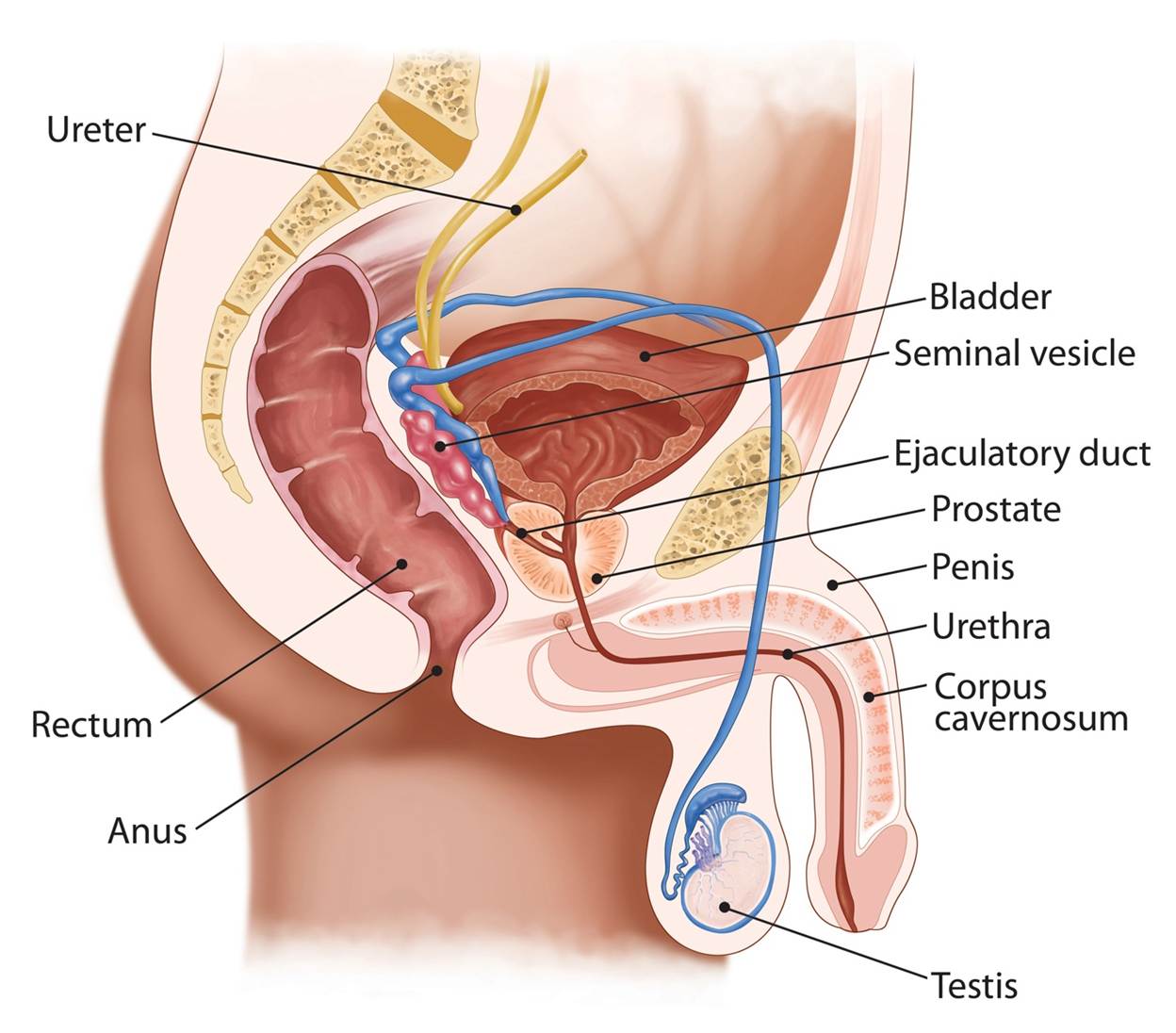
The prostate gland is part of the male reproductive system and is comparable in size to a walnut. The prostate is located at the base of the penis, beneath the bladder, and anterior to the rectum. The prostate surrounds the urethra and has ducts opening into the prostatic portion of the urethra (Figure 1). It comprises muscular and glandular tissue (Leslie et al., 2024). The prostate gland’s primary function is to form and secrete a slightly alkaline prostatic fluid to carry sperm. This fluid also helps sperm survive in the acidic environment of the female reproductive tract. The prostate contracts rhythmically to push the prostate fluid into the urethra, and the fluid leaves the body through the penis’ tip during ejaculation (Rogers & Brashers, 2023).
Figure 1
Prostate and Nearby Organs
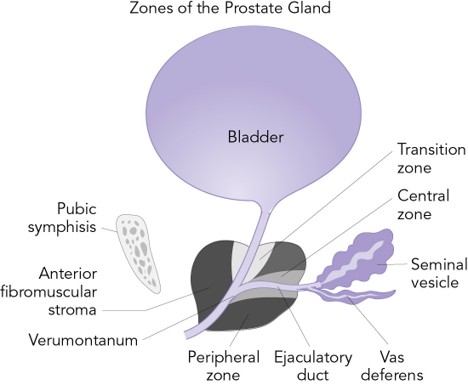
The prostate gland includes three major sections that are important when discussing the development of prostate cancer: the peripheral zone (PZ), central zone (CZ), and transitional zone (TZ). The PZ comprises the prostate’s largest surface area (Figure 2); approximately 60-75% of prostate cancers arise here. Anatomically, the PZ is positioned at the posterior aspect of the gland, closest to the rectal wall. The CZ surrounds the ejaculatory ducts and makes up about 25% of the gland. While less than 5% of prostate cancers originate within this region, these are more aggressive and pose a higher likelihood of invasion into the seminal vesicles. The TZ surrounds the urethra at its connection to the prostate gland and is relatively small but enlarges with age. It is responsible for up to 20% of prostate cancers but is more commonly associated with benign prostatic hyperplasia (BPH, or prostate gland enlargement). The fibromuscular stroma is a thick, nonglandular smooth muscle layer (Ali et al., 2022, 2023, 2024; Benway, 2024; Yu et al., 2023).
Figure 2
Zones of the Prostate Gland
Androgens are sexual hormones required for the formation, growth, and optimal functioning of the prostate gland and are regulated by the hypothalamic-pituitary-gonadal (HPG) axis. The HPG refers to the complex interplay between the male endocrine system, particularly the hypothalamus, pituitary gland, and gonadal glands. The two most abundant androgens in males include testosterone and 5-alpha-dihydrotestosterone (DHT), with testosterone serving as the primary circulating androgen. These hormones are...
...purchase below to continue the course
The hypothalamus initiates androgen production. The hypothalamus creates and releases gonadotropin-releasing hormone (GnRH). GnRH prompts the pituitary gland to generate and secrete luteinizing hormone (LH) and follicle-stimulating hormone (FSH). LH acts on specific cells in the testes to produce testosterone; the adrenal glands produce additional androgens (Li et al., 2025; Janes, 2020; Matsumoto & Anawalt, 2025).
Prostate cells take up testosterone, which can directly bind to the androgen receptor (AR) or be converted to DHT. DHT is predominantly found in prostate tissue and binds to the AR with greater affinity than testosterone. The AR is a steroid receptor transcriptional factor that mediates the actions of both testosterone and DHT. It has a similar structure and functionality to the estrogen receptor (ER) that fuels estrogen-based cancers, such as breast cancer in females. Androgens can fuel the growth of prostate cancer by binding to and activating the AR, which subsequently stimulates the overexpression of specific genes that trigger cell growth. Therefore, the AR is central to prostate cancer, particularly castration-resistant prostate cancer (CRPC; Li et al., 2025; Matsumoto & Anawalt, 2025; Rogers & Brashers, 2023).
Prostate Cancer Subtypes
Adenocarcinomas are the most common types of prostate cancer, comprising over 95% of prostate neoplasms, which form in the mucus-producing glandular cells. Adenocarcinomas arise from glandular epithelial cells, the most abundant cell type within the prostate gland. All prostate cancers develop in the epithelium that is androgen-dependent and typically androgen sensitive. There are three major classifications of prostate cancer (Table 1). Many patients will transition from hormone-sensitive to castration-resistant over time. Similarly, patients may be diagnosed with early-stage, localized prostate cancer, which can later spread to distant sites, whereas others may have evidence of metastatic disease at the time of diagnosis (ACS, 2023d; Cancer Research UK, 2025b; Rogers & Brashers, 2023; Urology Care Foundation, 2024).
Table 1
Three Major Types of Prostate Cancer
Hormone-Sensitive Prostate Cancer (HSPC) |
|
Castration-Resistant Prostate Cancer (CRPC) |
|
Metastatic Prostate Cancer (MPC) |
|
(NCI, 2025b; Urology Care Foundation, 2024)
Risk Factors
All males are at risk for prostate cancer; however, advanced age, Black race, and family history of prostate cancer are the most well-cited risks (Sartor, 2026). Black males tend to develop prostate cancer at a younger age and endure a more aggressive clinical course than other males. Family history is a significant risk factor. Males with a first-degree relative with prostate cancer (e. g., father or brother) are twice as likely to develop prostate cancer as those with no family history (CDC, 2026b; Ignatavicius et al., 2021). Other possible risk factors with weaker associations and less evidence include diets high in saturated fat and obesity; tobacco use is associated with a higher risk of mortality (National Cancer Institute [NCI], 2025a; Sartor, 2026).
Genetic Variations
Everyone has BRCA1 and BRCA2 genes. These genes function as tumor suppressors, preventing cancer by regulating the growth and division of specific cells under physiologic conditions. However, variations in these genes prevent them from functioning correctly, increasing the risk of cancer. Variations in the BRCA1/BRCA2 genes are inherited in an autosomal dominant pattern. One copy of the variant gene in each cell is sufficient to increase the risk of developing cancer. Data from the IMPACT study, which followed 3,063 males with annual PSA screenings for 10 years, demonstrated that BRCA2 variant carriers had the most significant risk of developing prostate cancer. Their findings revealed that, by age 65, individuals had a 2.5-8.6-fold increased risk among BRCA2 variant carriers and a 1.8-3.8-fold increased risk among those with BRCA1 variants. Those with the BRCA2 variant had an earlier onset, a higher risk of Gleason scores 7 or higher, increased incidence of local and distant metastasis, higher mortality rates, and poorer overall outcomes (Bancroft et al., 2026; NCI, 2025a).
Genetic and Molecular Biomarker Analysis
Due to recent technological advancements and targeted treatment modalities, the National Comprehensive Cancer Network (NCCN, 2026a) guidelines recommend that patients with advanced or metastatic prostate cancer undergo specialized genetic and molecular biomarker analysis. These analyses specifically evaluate the presence of homologous recombination repair gene variations (HRRm) and microsatellite instability-high (MSI-H) or mismatch repair deficiency (dMMR). HRR gene variants can increase the risk of developing more aggressive prostate cancer, and the most common include BRCA1/2, ataxia telangiectasia mutated (ATM) gene, and cyclin-dependent kinase 12 (CDK12). HRR gene variations compromise tumor cells’ ability to repair DNA damage by disrupting HRR. This mechanism can lead to an increased reliance on poly ADP-ribose polymerase (PARP)-mediated DNA repair pathways for survival, thereby opening the possibility of targeted treatment pathways, such as the use of PARP inhibitors (i.e., Olaparib [Lynparza]) in patients with advanced BRCA2-variant prostate cancer (Al Baghdadi et al., 2025). MSI-H and dMMR have clinical implications concerning the potential use and benefit of immunotherapy (specifically, immune checkpoint inhibitors) in several cancers. MSI-H or dMMR are relatively uncommon in prostate cancer, with prevalence rates of approximately 3-5% demonstrated in research studies. These variations may lead to durable therapeutic responses to anti-programmed cell death protein 1 (PD-1)/programmed cell death ligand 1 (PD-L1) treatment, such as pembrolizumab (Keytruda), which will be discussed in the treatment section of this module (Lambert et al., 2025; NCCN, 2026a).
Males with a genetic variant in the HOXB13 gene may also be at increased risk for prostate cancer. HOX proteins are transcription factors that play various roles in tissue differentiation during embryogenesis and organogenesis and contribute to other cellular processes, such as proliferation, differentiation, apoptosis, and lipogenesis. The HOXB13 protein also interacts with tumor suppressors, preventing cells from growing and dividing too quickly or in an uncontrolled manner. While all individuals have two copies of the HOXB13 gene, variations in one copy are associated with an increased risk of early-onset prostate cancer and CRPC. Research suggests that variations in this gene impair the protein’s tumor-suppressor function, leading to uncontrolled cellular proliferation and cancer development (Angappulige et al., 2024; Ersoy-Fazlioglu et al., 2025; Ozen et al., 2026; Zhang et al., 2025).
Signs and Symptoms
Early prostate cancer generally does not cause pain, sexual dysfunction, or any other signs or symptoms. In most cases, affected patients are asymptomatic. As the tumor grows or spreads into surrounding structures, patients may develop uncomfortable urinary symptoms, such as difficulty starting or stopping the flow of urine, a feeling of not being able to empty the bladder, or pain with ejaculation. However, many of these symptoms can also occur due to BPH, a common condition affecting many males as they age. An enlarged prostate gland can induce uncomfortable urinary symptoms, including bladder, urinary tract, or kidney problems. With advanced disease, symptoms often result from cancer metastasizing to other areas in the body. Based on cancer spread patterns, the most common symptoms include bone pain, dysuria, hematuria, flank pain, anemia, fatigue, weight loss, and weakness (Ignatavicius et al., 2021; Leslie et al., 2024).
Early Detection and Screening
Given the lack of warning signs and symptoms in early prostate cancer, most patients are diagnosed as a result of health screenings for a serum protein (prostate-specific antigen [PSA]) or from abnormalities detected on a digital rectal exam (DRE; Leslie et al., 2024).
PSA
PSA is a protein generated only by the prostate gland and is a tumor marker for prostate cancer. Tumor markers are substances that may be produced by cancer or by the body’s response to cancer’s presence. They are also made in smaller quantities by healthy cells, making them nonspecific. The PSA blood test measures the amount of this protein in the blood. A PSA level of less than 4.0 ng/mL was previously considered normal, and a level higher than 4.0 ng/mL was deemed abnormal, warranting a biopsy to evaluate for prostate cancer. Over time, these recommendations have changed. The PSA can be elevated in benign conditions such as BPH or prostatitis (infection or inflammation of the prostate gland) or due to urologic procedures or medications. Ejaculation, bicycle riding, or sexual activity can transiently increase PSA levels (Ignatavicius et al., 2021; Freedland, 2025; Leslie et al., 2024).
In contrast, commonly prescribed medications for BPH, such as 5-alpha-reductase inhibitors or dihydrotestosterone blockers (i.e., finasteride [Proscar] and dutasteride [Avodart]), are known to decrease PSA by approximately 50%, leading to false-negative results (Arcangelo et al., 2022; Freedland, 2025). The American Board of Internal Medicine (ABIM) cites the PSA as having “no specific normal or abnormal level” in their 2026 Laboratory Test Reference Ranges (ABIM, 2026). The PSA level varies and rises slowly with age, even without prostate abnormalities. Beyond screening, the PSA test can help stage, treat, and monitor prostate cancer (Freedland, 2025).
DRE
The DRE allows for direct palpation of the PZ region, the most common site of prostate cancer, to assess for lumps, nodularity, or abnormalities that might suggest cancer (ACS, 2023e). Despite its continued use in clinical practice, research has demonstrated that the DRE carries a low specificity and sensitivity for detecting early prostate cancer. In 2018, the US Preventive Services Task Force (USPSTF) removed the DRE from its prostate cancer screening guidelines (USPSTF, 2018).
Controversies Over Prostate Cancer Screenings
Screening for prostate cancer is routinely performed throughout the US, but its benefit and value are controversial. It has been the subject of much criticism over the last few decades; it remains unclear if the benefits of prostate cancer screening outweigh the risks for most males. While prostate cancer screenings may lead to earlier diagnosis and treatment, other studies have not consistently shown a correlation with improved survival. Recent studies have shown some benefit, however. A 23-year follow-up study published in 2025 found a 13% decrease in mortality in the screening group (ACS, 2023a; Freedland, 2025; Roobol et al., 2025). The major shortcoming of prostate cancer screening is the lack of impact and questionable value of the information received, leading to disagreements about its importance amongst many experts. Predicting who will benefit from treatment is impossible for patients whose prostate cancer is detected by screening. Some patients treated may avoid death and disability from prostate cancer. In contrast, others who are treated would have died of unrelated causes before their cancer became severe enough to spread, affect their health, or reduce the quality and longevity of their lives. PSA specificity and sensitivity are low, and screening is associated with a high false-positive rate. A false positive entails an abnormal PSA level but no detectable prostate cancer, whereas a false negative is characterized by a normal PSA level despite the presence of cancer. Approximately 45% of PSA screenings are false-positive. Further, the PSA test has been criticized for flagging too many slow-growing cancers and subjecting patients to invasive procedures, interventions, treatments, and treatment adverse effects when the cancer may never have posed a risk to the patient during their lifetime (Leslie et al., 2024; Lumbreras et al., 2023; Preston, 2026).
Current Screening Guidelines
The consensus of the USPSTF, NCCN, and ACS evidence-based screening guidelines is that the decision to perform PSA screening should be an individual one, based on risks and benefits. Clinicians are encouraged to discuss the pros and cons of screening with patients and engage in shared decision-making before deciding upon screening. This allows patients to determine if screening is right for them and strives to reduce the overdiagnosis and overtreatment of prostate cancer. Given the controversies surrounding prostate cancer screening, there remain discrepancies among the three guidelines. All three guidelines classify high-risk patients as Black Americans or those with a first-degree relative with prostate cancer. A summary of the specific screening guidelines for each organization is outlined in Table 2 (ACS, 2023e; NCCN, 2026b; USPSTF, 2018).
Table 2
Comparison of Prostate Cancer Screening Guidelines
USPSTF
|
ACS
|
NCCN
|
Based on the findings from the IMPACT trial discussed earlier, Bancroft and colleagues (2026) recommend consideration of testing for BRCA variations under the following circumstances:
- if there is a history of prostate, breast, or ovarian cancer in the immediate family, particularly among younger family members
- if other family members test positive for BRCA1 or BRCA2 variations
- if the patient is of Ashkenazi Jewish descent (Bancroft et al., 2026)
Diagnosis
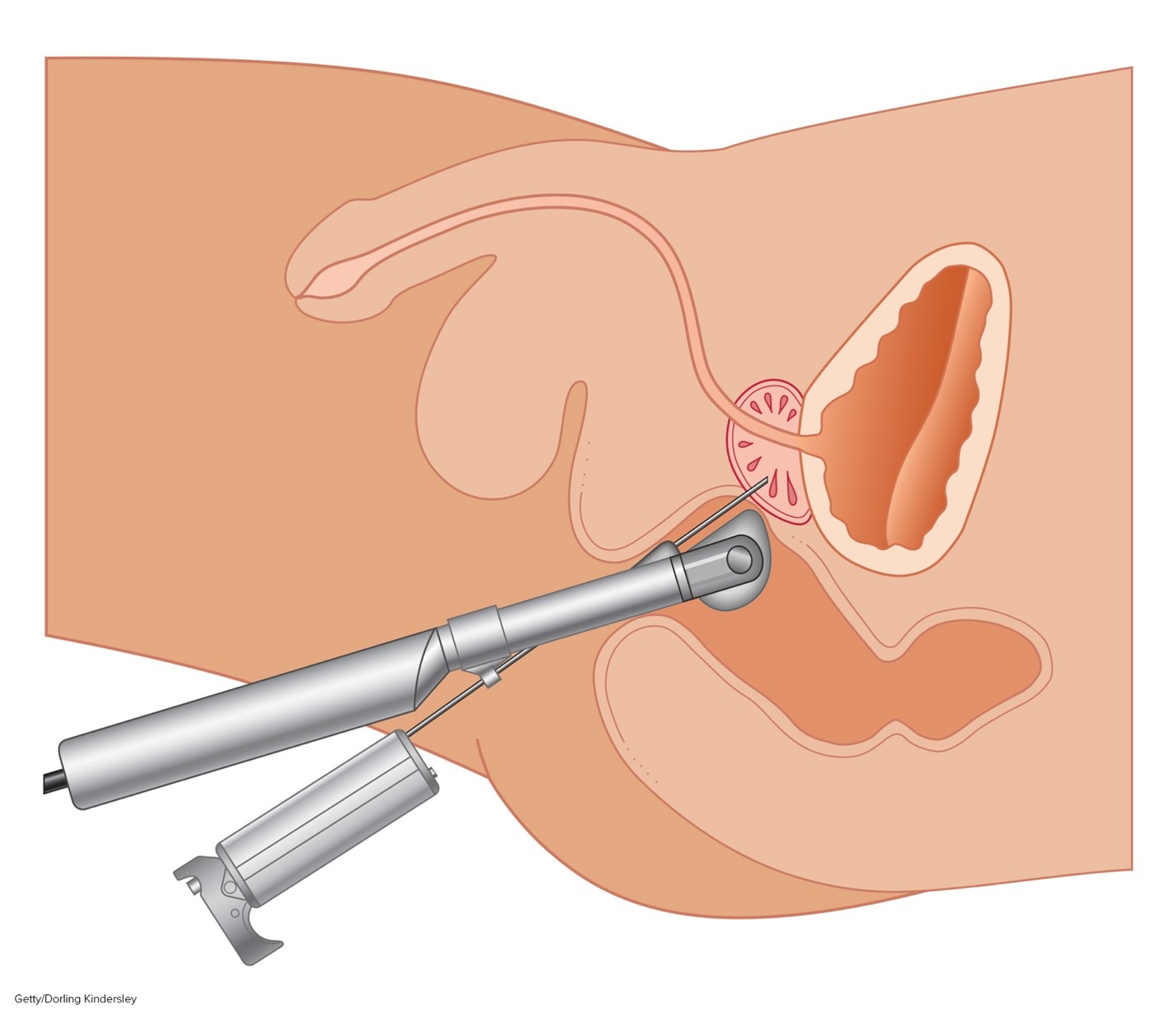
While the PSA and DRE can be useful in detecting prostate gland abnormalities, tissue sampling is necessary to confirm prostate cancer and establish its clinical features. A transrectal ultrasound-guided (TRUS) core biopsy of the prostate is the most common tissue sampling procedure in which a needle is guided through the rectum (transrectal biopsy) or the skin between the scrotum and anus (transperineal biopsy) to remove a small prostate tissue core. This process is repeated several times to obtain up to 12 core tissue samples. The TRUS procedure is demonstrated in Figure 3 (ACS, 2023e; Leslie et al., 2024).
Figure 3
Transrectal Ultrasound (TRUS) Prostate Biopsy
Gleason Score
All prostate cancers are subjected to a histologic grading system called the Gleason score, which is vital in predicting prostate cancer’s behavior and determining the best treatment options. Initially developed in the 1960s, the Gleason score is the most widely used and reliable system for defining prostate cancer aggressiveness (Leslie et al., 2024). The Gleason score is based on the cellular architecture, microscopic arrangement, and glandular pattern of the prostate tissue. This is distinct from other cancers, which are generally defined by individual cellular characteristics. A histologic grade ranging from one to five is assigned to the tissue to determine the Gleason score. If these cells appear very similar to normal, healthy prostate tissue, they are considered well-differentiated, and a grade one is assigned. If the cells are markedly abnormal and lack characteristic features of healthy cells, they are poorly differentiated, and a grade five is assigned. Grades two through four have features between these extremes. Low-grade cancer cells grow and spread more slowly than high-grade cancer cells. Two grades are assigned: one for the most predominant (primary) pattern identified within the tissue sample and one for the second most predominant pattern. Next, the two grades are combined to form the Gleason score, which currently ranges from 6 to 10 (Leslie et al., 2024; Prostate Cancer Foundation [PCF], 2023; Yang, 2026).
In 2014, the International Society of Urological Pathology (ISUP) developed a revised prostate cancer grading system called the Grade Groups. The system is more straightforward and was designed to help patients better understand their risk level and limit overtreatment (ACS, 2023b; Belisario & van Leenders, 2025). The new system has since been adopted by the World Health Organization (WHO) and incorporated into the NCCN evidence-based guidelines. Compiled through rigorous clinical trial research and annual expert panel reviews, the NCCN provides evidence-based treatment guidelines for each cancer type, based on distinct features such as cellular characteristics, genetics, staging, and inheritance patterns. Most NCI-accredited cancer centers utilize the guidelines to guide medical decision-making throughout the patient’s disease trajectory (Belisario & van Leenders, 2025; NCCN, 2026a, 2026b).
The new system compresses the Gleason score into five grade groups (Table 3). For example, if the Gleason score is presented as 3+4=7, the tumor is primarily grade 3, with less of the tumor being grade 4. When combined, they have a Gleason score of 7. If a tumor is of a single grade (i.e., grade 4), the Gleason score is reported as 4+4=8 (ACS, 2023b; Belisario & van Leenders, 2025; Yang, 2026).
-
Table 3
Revised Prostate Cancer Grade Groups
Grade Group
Gleason Score
Gleason Pattern
Description
1
≤6
≤ 3+3
Low grade
Well-differentiated
2
7
3+4
Intermediate-grade
Moderately-differentiated
3
7
4+3
Intermediate-grade
Moderately-differentiated
4
8
4+4, 3+5, 5+3
High-grade
Poorly-differentiated
5
9 or 10
4+5, 5+4, 5+5
High-grade
Poorly-differentiated
(ACS, 2023b; NCCN, 2026a; PCF, 2023)
Staging
The American Joint Committee on Cancer (AJCC) jointly developed the prostate cancer staging system with the Union for International Cancer Control (UICC). Prostate cancer is grouped into four stages (I through IV), defined by the extent of tumor involvement and the rate of tumor growth. The four stages are determined by combining the Gleason Score with the Tumor, Nodes, and Metastasis (TNM) system (Table 4). T stands for the primary tumor and measures the tumor’s size and extent; N stands for lymph node(s) and denotes if cancer has spread into nearby lymph nodes; M stands for metastasis and denotes that cancer has spread to distant sites in the body. Staging is crucial as it helps determine treatment options (Leslie et al., 2024; PCF, 2023; Taplin & Smith, 2026). Radiographic imaging is the only way to definitively identify the presence or absence of distant metastases. However, unlike most cancer diagnoses, systemic imaging studies are not universally recommended for all patients diagnosed with prostate cancer. When imaging studies are indicated, the most commonly performed tests may include one or several of the following: radionuclide bone scan, prostate-specific membrane antigen (PSMA) positron emission tomography (PET)/computed tomography (CT), plain film radiographs (x-rays), ultrasound, or advanced magnetic resonance imaging (MRI) techniques such as multiparametric MRI (mpMRI; NCCN, 2026a; Taplin & Smith, 2026).
Table 4
TNM Staging AJCC/UICC 8th edition
Primary Tumor (T)
Description
Tx
Primary tumor cannot be assessed
T0
No evidence of primary tumor
T1
Clinically inapparent tumor (not palpable)
T1a
Incidental histologic finding in 5% or less of resected tissue
T1b
Incidental histologic finding in more than 5% of resected tissue
T1c
T1c identified by needle biopsy, either unilateral or bilateral lobes (not palpable)
T2
Confined to the prostate
T2a
Involve 50% or less of one lobe
T2b
Involve more than 50% of one (not both) lobes
T2c
Both lobes are involved bilaterally
T3
Tumor extends beyond the prostate
T3a
Extraprostatic extension on one or both lobes
T3b
Invasion of the seminal vesicle(s)
T4
Fixed tumor or invasion of adjacent structures other than seminal vesicles (e.g., bladder, rectum, pelvic wall)
Regional lymph nodes (N)
NX
Regional lymph nodes not assessed or cannot be evaluated
N0
No regional lymph node metastasis
N1
Regional lymph node metastasis present
Distant Metastasis (M)
M0
None
M1
Distant metastasis
M1a
Metastasis to lymph nodes that are not regional
M1b
Metastasis to bone(s)
M1c
Metastasis to other sites, with or without bone(s) involvement
(Taplin & Smith, 2026)
Risk Stratification
No staging system has been universally adopted in the national guidelines for prostate cancer. Multiple tools are available for pretreatment risk stratification, but no tool has been found clearly better at predicting prostate cancer-related mortality. The D'Amico classification uses the PSA level, grade group, and clinical tumor stage. The NCCN bases its risk stratification on the D'Amico model with the addition of the percent of positive biopsy cores. The NCCN risk stratification system assigns a risk category (low, favorable intermediate, unfavorable intermediate, high, and very high) based on several clinical factors. Factors include grade grouping (Table 3), PSA, TNM, and the number of positive core biopsies. There are others, many of which use the D'Amico classification as a basis (NCCN, 2026a; Richie, 2026a)
Management
Active Surveillance versus Observation
Not all patients diagnosed with prostate cancer will require treatment, as it is characteristically slow-growing, and in many cases, patients die from other causes. Active surveillance, or “watchful waiting,” is usually a reasonable option for early-stage prostate cancer patients. The NCI dictionary of cancer terminology defines watchful waiting as: “closely watching a patient’s condition but not giving treatment unless symptoms appear or change". Watchful waiting is sometimes used in conditions that progress slowly. It is also used when the risks of treatment outweigh the potential benefits. During watchful waiting, patients may be given certain tests and exams. Watchful waiting is sometimes used in prostate cancer. It is a type of expectant management” (NCI, n.d.).
Patients often have anxiety and uncertainties regarding this recommendation due to the natural fears associated with a cancer diagnosis. HCPs should educate patients on the rationale for active surveillance, clarifying how this method is evidence-based and can provide valuable information regarding how quickly the prostate cancer is progressing, if at all. Watchful waiting typically involves long-term monitoring with modalities such as periodic PSA testing, DRE exams, prostate biopsies, symptom assessment, and imaging studies until clinicians and patients collectively decide that treatment should be implemented (NCCN, 2026a; Urology Care Foundation, 2024).
The NCCN (2026a) guidelines suggest active surveillance for patients with:
- very-low-risk disease and a life expectancy of 10 years or more
- some with low-risk disease and a life expectancy of 10 years or more
They also suggest considering active surveillance for some patients with favorable intermediate-risk disease and a life expectancy of more than 10 years (e.g., those with a low Gleason 4 percentage, low tumor volume, low PSA density, or low genomic risk). This decision should be based on confirmatory testing with a tissue biopsy, advanced imaging studies with PSA density calculation, or molecular tumor analysis within 6-12 months of initial diagnostic biopsy. Active surveillance should be tailored to each patient but typically includes a PSA every 6+ months, DRE every 12+ months, tissue biopsy every 12+ months, and/or an mpMRI every 12+ months. This monitoring allows the patient’s tumor grade, risk category, and management plan to be reassessed regularly (NCCN, 2026a).
Observation, by contrast, typically includes a history and physical every 12+ months. Observation is preferred/recommended for those with:
- asymptomatic very low or low-risk disease and a life expectancy of less than 10 years
- asymptomatic intermediate-risk disease and a life expectancy of 5 years or less
Observation can also be considered for anyone with asymptomatic disease (regardless of assessed risk) and a life expectancy of 5 years or less (NCCN, 2026a).
Treatment Modalities
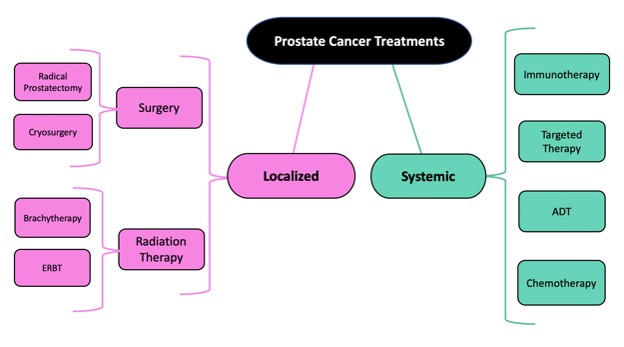
The decision to initiate treatment is multifactorial and based on the patient’s age, life expectancy, coexisting medical conditions, specific genetic variations, symptom burden, and cancer stage. Treatment for prostate cancer is divided into two major categories: localized and systemic therapies (Figure 4). Patients with early-stage and localized disease are treated with curative intent. These patients are most commonly offered surgical intervention, followed by adjuvant (post-surgery) radiation therapy (RT). Patients with advanced or metastatic prostate cancer are more likely to be treated with a combination of systemic therapies and are subject to relapse and remission (NCCN, 2026a).
Figure 4
Prostate Cancer Treatment Modalities
(Selchick, 2020)
Surgical Management
Radical prostatectomy is the most common surgical procedure if the cancer is confined to the prostate. The surgery involves the removal of the entire prostate gland and, usually, the seminal vesicles, along with surrounding tissue, lymph nodes, nerves, and veins. A portion of the urethra is also removed, and the remaining urethra is anastomosed at the bladder neck. A urinary catheter is inserted and left in place for 4-10 days while the patient heals. Open procedures may be performed through a retropubic (anterior) or perineal (inferior) approach, although laparoscopic procedures are now more common in the US. This approach may be done with or without robotic assistance, tends to limit blood loss, and hastens recovery time. If lymph nodes are removed, lymphocele formation is also a risk. Many patients will require adjuvant treatment to reduce the risk of recurrence, especially if adverse pathological or laboratory features are found during surgery, which include positive surgical margin(s), seminal vesicle invasion, extracapsular extension, or a detectable PSA level following surgery (ACS, 2023f; Lenart et al., 2024; NCCN, 2026a).
Erectile dysfunction (ED) or impotence is one of the most common risks associated with radical prostatectomy. Since the nerves that control the patient’s ability to have an erection are adjacent to the prostate gland, they may be damaged, severed, or removed during the surgery. Approximately 50% of patients with intact nerves will regain some ability to have an erection, but it can take 12 to 24 months or longer. Patients with other health conditions that impair their ability to maintain an erection, such as diabetes or vascular issues, will have a more difficult time regaining their normal function. Urinary incontinence and damage to the urethra are other common risks associated with radical prostatectomy. Following surgery, up to 50% of patients will develop urinary incontinence, and the degree of incontinence can range from intermittent dribbling and stress incontinence to continuous leakage, requiring the use of pads or incontinence briefs. Historically, the rates of these complications are about the same regardless of surgical approach or technique. Over 90% of patients recover continence by 12 months postoperative (ACS, 2023f; Hu, 2025). However, a recent study in Taiwan suggests that the long-term complications of robot-assisted procedures are lower than those of laparoscopic or open procedures. While this was a large study (over 1,400 patients), it was retrospective, which may have introduced confounding factors. Still, at a mean follow-up of 36 months (3 years), patients undergoing robot-assisted procedures reported shorter hospital stays, a lower risk of severe pain, a lower risk of requiring a blood transfusion, and reduced rates of ED, incontinence, and hernia development. In a comparison study of over 38,000 patients who underwent a radical prostatectomy, Nunes and colleagues (2025) confirmed some of these findings. They found that robot-assisted prostatectomy demonstrated significantly fewer short-term post-operative complications than open or laparoscopic radical prostatectomy (Wu et al., 2021).
The adverse effects of prostate cancer treatment on sexual function and quality of life are well-cited. Urinary and sexual dysfunction are the most frequently reported adverse effects of prostate cancer treatment and among the most distressing. If left untreated, ED can lead to significant physical, psychological, and interpersonal consequences and impair quality of life and overall well-being. HCPs are tasked with addressing these issues with sensitivity, empathy, and compassion, fostering a safe, nonjudgmental environment in which patients can openly express their concerns. HCPs should be prepared to educate patients and their partners, offer psychosocial support, and connect patients with resources, support groups, and medical specialists to manage these long-term effects (Khera, 2026; National Institutes of Health [NIH], 2024).
While not used to cure prostate cancer, a transurethral resection of the prostate (TURP) may be used to treat symptoms of advanced prostate cancer. The central portion of the prostate surrounding the urethra is removed through a urethral approach with a resectoscope. A urinary catheter is typically inserted for a day or so to allow for swelling to decrease. Like all surgical procedures, potential adverse effects include bleeding, infection, damage to adjacent organs, and adverse effects of anesthesia. Prolonged inactivity also increases the risk of blood clots (ACS, 2023f).
Radiation Therapy
RT is a localized cancer treatment that uses high-energy rays of electron, proton, or neutron beams to destroy cancer cells. The primary objective is to deliver a precisely measured radiation dose to a defined tumor with as little injury as possible to surrounding healthy tissue. Radiation induces damage to cancer cells, leading to biological changes in the DNA, rendering them incapable of reproducing or spreading. All healthy and cancerous cells are vulnerable to the effects of radiation and may be injured or destroyed; however, most normal cells can repair themselves and remain functional. Traditionally, the total radiation dose was hyper-fractionated, meaning it was administered in smaller, divided doses (fractions) rather than a single dose. Hyper-fractionation allows healthy cells to recover between doses. Each dose is called a fraction, and the total number of fractions depends on the tumor size, location, reason for treatment, the patient’s overall health and performance status, the goals of therapy, and any other treatments the patient is receiving. Emerging research has demonstrated that moderate- and ultra-hypofractionated radiotherapy, with shorter treatment duration and higher doses per fraction, is as effective as, or even superior to, traditional hyperfractionated regimens. HCPs should be aware of late-occurring genitourinary side effects that require close monitoring (ACS, 2025; DiBiase & Roach, 2026; Meng et al., 2025). For prostate cancer, RT may be administered for early-stage and low-grade prostate cancer confined to the prostate gland or as part of the treatment regimen alongside hormonal therapy (ACS, 2025). Radiation can be delivered externally or internally; some patients may receive both types. The two most common types of radiotherapy used for prostate cancer include internal brachytherapy and external beam RT (EBRT; DiBiase & Roach, 2026; NCCN, 2026a).
Brachytherapy. Prostate brachytherapy is a minimally invasive RT technique that implants a small wire or radioactive seeds directly into the prostate. Brachytherapy delivers high, concentrated doses of radiation to the prostate gland from within the body. Hormone therapy is sometimes given for three to six months before brachytherapy to shrink the prostate gland and optimize its effectiveness. The two brachytherapy types are temporary high-dose-rate (HDR) and permanent low-dose-rate (LDR). HDR brachytherapy usually requires a 2-day hospital stay with one to four short-duration treatments during that time. Several catheters attached to a machine containing radioactive pellets are placed into the prostate gland. The catheters deliver concentrated bursts of high-dose radiation pellets into the tumor bed, and then the pellets are removed after each treatment (ACS, 2025; Ciezki, 2026; DiBiase & Roach, 2026).
LDR brachytherapy is an outpatient procedure that requires spinal or general anesthesia. Permanent radioactive seeds are implanted into the prostate gland, slowly releasing radiation over several months. Up to 100 seeds may be inserted depending on the size of the prostate. The radiation emitted by the seeds travels only a short distance, limiting damage to nearby healthy tissues. Radioactivity decreases after several weeks or a few months. Patients are usually advised to maintain a distance of at least three feet from pregnant females and small children for a specified period. This precaution is recommended to avoid any unnecessary risk. While there is little clinical data available to validate this recommendation, and the duration has not yet been defined, the statement is endorsed by the International Atomic Energy Agency (IAEA) in its Radiation Protection of Patients (RPOP) recommendations. Patients should be counseled that airport detection systems can sometimes detect low radiation levels, so they should carry a physician’s note or radiation card for their treatment to avoid security issues. Overall, patients can safely continue their regular routines and lifestyles without exposing others (ACS, 2025; Cancer Research UK, 2025a; IAEA, n.d.). Brachytherapy is a recommended option within the 2023 NCCN guidelines for the treatment of localized disease:
- initial treatment in very low-risk patients with more than 20 years of life expectancy
- initial treatment in low-risk patients with at least 10 years of life expectancy
- initial treatment in favorable intermediate-risk patients with at least 5 years of life expectancy
- initial treatment in unfavorable intermediate-risk patients with at least 5 years of life expectancy in combination with EBRT and possibly androgen deprivation therapy (ADT)
- initial treatment in high or very high-risk patients with more than 5 years of life expectancy (or symptomatic) in combination with EBRT and ADT
- in the context of RT recurrence, if the patient’s life expectancy is more than 5 years, the tissue biopsy is positive for malignancy, but imaging studies indicate no metastatic disease (NCCN, 2026a)
EBRT. EBRT is radiation delivered from an external source directly to the cancer site. EBRT uses a linear accelerator to generate and deliver high-energy X-rays in small daily doses. Intensity-modulated RT (IMRT) is the most common type of EBRT for prostate cancer. It uses a computerized machine that travels around the patient as it delivers the radiotherapy. This technology allows for more precise shaping and aiming of radiation beams to the prostate, covering multiple angles and increasing their intensity (strength). This limits radiation dose to surrounding healthy tissues and enables the patient to tolerate a higher radiation dose to the cancer, improving clinical outcomes and survival (ACS, 2025; Ciezki, 2026; DiBiase & Roach, 2026). EBRT is currently recommended within the 2026 NCCN guidelines for:
- initial monotherapy treatment in very low-risk patients for those who choose treatment with RT
- initial monotherapy treatment in favorable intermediate-risk patients who choose treatment with RT
- initial treatment in unfavorable intermediate-risk patients in combination with ADT and possibly brachytherapy
- initial treatment in high or very high-risk patients in combination with ADT and/or brachytherapy or abiraterone (Zytiga, a form of hormone therapy)
- initial treatment in regional-risk patients in combination with ADT and/or abiraterone (Zytiga)
- adjuvant therapy in patients following prostatectomy if adverse features and/or lymph node involvement are found (NCCN, 2026a).
Radiation Adverse Effects. LDR brachytherapy carries a risk of seed migration. Additional adverse effects of radiation include fatigue, lymphedema in the legs or genital region, urinary incontinence, radiation cystitis (inflammation of the bladder), urethral stricture, and radiation proctitis (inflammation of the rectum). There is also a risk of delayed ED, which may develop months or years after RT (ACS, 2025; Ignatavicius et al., 2021).
For a more in-depth review of radiation therapy and nursing implications, refer to the Oncology Nursing Part 1: Surgical and Radiation Oncology NursingCE course.
Androgen Deprivation Treatment (ADT)
ADT is also called testosterone-depleting therapy and is the most common systemic treatment modality for prostate cancer. Testosterone cannot discriminate between healthy tissue receptors and those of cancerous tissue and is the primary fuel for cancer growth. ADT deprives the body of androgens by lowering (or depleting) the testosterone level. Prostate cancer usually stops growing in response, at least temporarily. CRPC occurs when tumor cells become resistant to ADT and resume growth despite hormone-blocking therapy. The most common approaches to androgen deprivation include castration, antiandrogens, and combined androgen blockade. The term castration refers to removing 90 to 95% of the testosterone expected in a healthy male, and this may be achieved surgically or chemically. Orchiectomy is the surgical removal of the testicles, a permanent and irreversible procedure that can reduce the testosterone level in the blood by 90 to 95%. Chemical castration is much more common and involves the use of LH-releasing hormone (LHRH) agonists or LHRH antagonists (NCI, 2024, 2025c).
LHRH Agonists. LHRH agonists (sometimes called LHRH analogs) mimic LHRH’s action by occupying the receptors on the pituitary glands. Administration of these drugs causes the pituitary to secrete LH and the testicles to increase testosterone production temporarily, igniting a “testosterone flare”. LHRH agonists have a longer half-life than physiologic LHRH, so they occupy the receptor with greater affinity. Due to the continued presence of high levels of the LHRH agonist, the pituitary gland eventually stops producing LH, halting testosterone production. LHRH agonists are administered by injection or by implant under the skin. Currently, the three primary LHRH agonists used to treat prostate cancer in the US include leuprolide acetate (Lupron Depot), goserelin acetate (Zoladex), and triptorelin pamoate (Trelstar; Table 5; NCI, 2024, 2025c).
All medications in this class are associated with an initial testosterone flare, which may cause an acute worsening of symptoms. This initial setback is particularly concerning for patients with advanced prostate cancer, as it can lead to significant bone pain and ureter or bladder outlet obstruction. The temporary testosterone flare is usually counteracted with oral antiandrogen therapy (described below) for several weeks (NCI, 2024, 2025c). In severe cases, it can induce spinal cord compression (SCC) in patients with metastatic disease to the spinal column. SCC is the compression of the spinal cord by malignant tumor invasion into the epidural space, and symptoms may include the following:
- sudden onset of acute back pain that worsens in the supine recumbent position and may be relieved by sitting
- neurologic dysfunction, such as numbness
- bowel or bladder dysfunction, such as incontinence, passing very little urine, or inability to urinate or defecate
- altered gait or difficulty ambulating
Initiating treatment as early as possible is critical and involves administering corticosteroids to reduce vasogenic edema within the spinal cord, thereby improving neurologic dysfunction and relieving pain. Definitive treatment typically involves RT or neurosurgery (Dawson & Leger, 2026; NCI, 2025c; Rothberg et al., 2022).
Table 5
LHRH Agonists
Drug & Dosing
Adverse Effects, Warnings, Precautions
Leuprolide acetate (Lupron Depot)
- The most common adverse effects include hot flashes, injection site reactions, bone pain, swelling, testicular shrinkage, difficulty urinating, fatigue, weakness, headache, gastrointestinal changes, or respiratory problems.
- In patients with a history of seizures, epilepsy, or brain disorders, there is an increased risk for convulsions.
Goserelin acetate (Zoladex)
- This medication is only used in combination with an oral antiandrogen agent (i.e., flutamide [Eulexin]).
- The most common adverse effects include hot flashes and sexual dysfunction, including loss of libido.
Triptorelin pamoate (Trelstar)
- The most common adverse effects include hot flashes, ED, skeletal pain, headache, lower extremity edema or pain, and testicular atrophy.
- Monitoring should be vigilant during administration, as this medication has been associated with severe hypersensitivity reactions, including anaphylactic shock and angioedema.
(US Food and Drug Administration [FDA], 2025b, 2026b, 2026c; Smith, 2026)
LHRH Antagonists. LHRH antagonists, also known as GnRH antagonists, prevent LHRH from binding to its receptors in the pituitary gland, thereby inhibiting LH and testosterone production. Unlike LHRH agonists, LHRH antagonists do not cause a testosterone flare. Degarelix (Firmagon) and relugolix (Orgovyx) are the only LHRH antagonists currently approved for prostate cancer treatment in the US (Lee & Smith, 2026; NCI, 2024, 2025c). Degarelix (Firmagon) is administered as a subcutaneous injection. Patients should be counseled on the most common side effects, including mild injection site reactions (localized pain, erythema, swelling, or induration), hot flashes, and weight gain. Relugolix (Orgovyx) is an oral, once-daily option that demonstrated reduced cardiovascular events in studies. Common side effects include hot flashes, constipation or diarrhea, fatigue, musculoskeletal pain, and altered hemoglobin and liver function tests. Patients must undergo periodic cardiac monitoring (EKG), CBC, and liver function tests. Although rare, hypersensitivity reactions have been reported (FDA, 2020; Lee & Smith, 2026; NCI, 2025c; UpToDate Lexidrug, n.d.).
Antiandrogen Therapy. Most antiandrogens are AR inhibitors or antagonists. These medications differ from LHRH antagonists by directly competing with androgens for binding to the AR in the prostate gland. Testosterone circulates through the body but cannot interact with the prostate gland or promote cancer growth. These oral medications are rarely used as monotherapy since they do not block testosterone production, but may be used when other forms of ADT stop working effectively. Instead, they are prescribed concurrently with LHRH agonists or in patients who have undergone a bilateral orchiectomy. This combined regimen is referred to as a combined androgen blockade. There are two major classes of antiandrogens: first-generation and second-generation (Table 6). First-generation antiandrogens are credited with establishing the AR blockade as an effective treatment strategy in prostate cancer; however, they do not completely block all AR activity. These agents primarily block androgen activity in the testes. First-generation antiandrogens currently approved for use in the U..S include bicalutamide (Casodex), flutamide (Eulexin), and nilutamide (Nilandron). Second-generation antiandrogens were developed to enhance the first-generation drugs’ mechanisms and bypass resistance to therapy. Second-generation agents have increased specificity and higher affinity for ARs. There are four second-generation antiandrogens currently approved by the FDA: enzalutamide (Xtandi), abiraterone acetate (Zytiga), apalutamide (Erleada), and darolutamide (Nubeqa). Abiraterone acetate (Zytiga) differs slightly from other medications in the class, as it prevents androgen biosynthesis and testosterone production in the testes, adrenal glands, and tumors by inhibiting the enzyme CYP17. Before the introduction of abiraterone (Zytiga), ketoconazole (Nizoral, an antifungal) and aminoglutethimide (Cytadren) were used off-label as CYP17 inhibitors. A novel medication, capivasertib (Truqap), that inhibits the protein kinase B (AKT) pathway, was approved by the FDA in 2026 for use with abiraterone (Zytiga) in patients with phosphatase and tensin homolog (PTEN) deficiency. PTEN deficiency has been linked to quicker rates of recurrence and/or clinical progression, and worse outcomes (Dawson, 2025; Dawson & Leger, 2026; Fizazi et al., 2026; Lee & Smith, 2026; NCI, 2024, 2025c; Oncology Nursing Society, 2026; Rehman et al., 2024).
Table 6
Antiandrogen Medications
Drug & Dosing
Adverse Effects, Warnings, Precautions
First-Generation Antiandrogens
Bicalutamide (Casodex)
- The most common adverse effects include gynecomastia, breast pain, hyperglycemia, hot flashes, pain, asthenia, constipation, diarrhea, infection, nausea, peripheral edema, hematuria, nocturia, and anemia.
- There is a risk of hemorrhage with concomitant use of warfarin (Coumadin), and close monitoring of PT/INR is needed.
- Due to the risk of severe hepatic injury and fatal hepatic failure, patients should be counseled on the need for periodic monitoring of liver function enzymes.
- Must be given with an LHRH agonist
- Approved for use in metastatic disease only
Flutamide (Eulexin)
- The most common adverse effects include hot flashes, gynecomastia, nausea, skin rash, and diarrhea.
- Due to the boxed warning for interstitial pneumonitis (inflammation of the lung tissue), patients should self-monitor and report any signs of the condition (i.e., mild cough, dyspnea, severe shortness of breath, and life-threatening hypoxia).
- It is approved for use with an LHRH agonist only.
Nilutamide (Nilandron)
- The most common adverse effects include hypertension, hot flashes, impaired adaptation to dark, abnormal vision, urinary tract infection, dyspnea, dizziness, and increased liver function enzymes.
- Due to the boxed warning for interstitial pneumonitis (inflammation of the lung tissue), patients should self-monitor and report any signs of the condition (i.e., mild cough, dyspnea, severe shortness of breath, and life-threatening hypoxia.
- The patient should be counseled on the impact of medication on alcohol tolerance (it can induce facial flushing, malaise, and hypotension).
- It is approved for use following surgical castration in those with metastatic disease.
Second-Generation Antiandrogens
Enzalutamide (Xtandi)
- The most common adverse effects include weakness, fatigue, back pain, hot flashes, constipation, arthralgias, anorexia, diarrhea, and hypertension.
- Patients should be monitored for hypersensitivity reactions.
- Patients should be counseled on the risk of seizures, encephalopathy, ischemic heart disease, falls, and orthopedic fractures.
- Approved for use in those with CRPC or metastatic castration-sensitive disease.
- Must be given concurrently with an LHRH agonist or following surgical castration.
Abiraterone acetate (Zytiga)
- The most common adverse effects include fatigue, arthralgias, hypertension, leg and pedal edema, hypokalemia, hot flashes, diarrhea, high blood cholesterol and triglycerides, cough, headache, hyperglycemia, and anemia.
- Patients should be counseled on the risk of adrenocortical insufficiency and the need to take prednisone (Deltasone) twice daily to reduce risk.
- It must be taken on an empty stomach.
- Must be given concurrently with an LHRH agonist or following bilateral orchiectomy.
- Only approved for use in patients with metastatic disease, either CRPC or high-risk castration sensitive.
Apalutamide (Erleada)
- The most common adverse effects include fatigue, rash, arthralgias, anorexia, weight loss, hypertension, hot flashes, diarrhea, falls, and fractures.
- There is a low risk of cardiac events and seizures.
- Approved for use in those with CRPC or metastatic castration-sensitive disease.
- Must be given concurrently with an LHRH agonist or following bilateral orchiectomy.
Darolutamide (Nubeqa)
- This is the only AR blocker that does not cross the blood-brain barrier and is, therefore, less likely to cause CNS effects.
- The most common adverse effects include fatigue, pain in extremities, rash, neutropenia, increased liver function enzymes, and elevated bilirubin.
- This medication should be taken with food.
- Approved for use in those with CRPC or metastatic castration-sensitive disease in combination with docetaxel (Taxotere).
- It should be given concurrently with an LHRH agonist or following bilateral orchiectomy.
(FDA, 2015, 2017, 2021a, 2021b, 2023, 2025c, 2026a; NCI, 2024)
Chemotherapy
Chemotherapy works by destroying quickly dividing cells and is not commonly used as an upfront treatment option for prostate cancer. Due to the slow-growing nature of the disease and the high toxicity associated with chemotherapy, it is generally reserved for more advanced, widespread disease stages that have become refractory to the effects of ADT. When used as salvage therapy for progressive disease, chemotherapy can prolong survival and improve quality of life in many patients. As a class, chemotherapy agents are high-risk, hazardous drugs administered to destroy as many cancer cells with as minimal effect on healthy cells as possible. Chemotherapy generally disrupts the normal cell cycle, inhibiting DNA synthesis and cell replication, thereby preventing cancer cells from dividing and multiplying. Since cancer cells tend to divide rapidly, chemotherapy targets rapidly dividing cells. As a result, it also affects rapidly dividing healthy cells, such as those in the gastrointestinal tract, skin, and bone marrow. The most common chemotherapy agents used for prostate cancer include docetaxel (Taxotere) and cabazitaxel (Jevtana). Other agents used include mitoxantrone (Novantrone), estramustine (Emcyt), and carboplatin (Paraplatin; ACS, 2023c; Dawson & Leger, 2026; NCCN, 2026a).
Adverse effects of chemotherapy are inevitable due to the nonspecific nature of cytotoxic therapy; they simultaneously impact healthy cells along with cancerous cells. However, adverse effects vary depending on the drug type, dosage, treatment duration, and specific patient factors. Not all patients respond similarly, and not all chemotherapy agents pose the same risks. Assessment and education are the most critical components for ensuring timely recognition, intervention, and management of adverse effects for each patient. Many adverse effects, such as nausea, can be primarily thwarted by implementing appropriate prevention strategies and medications. As a group, the most common adverse effects include decreased blood counts (anemia, thrombocytopenia, neutropenia), fatigue, nausea, anorexia, alopecia (hair loss), hematuria, diarrhea, skin changes, and peripheral neuropathy (damage to the sensory nerves; Arcangelo et al., 2022; Dawson & Leger, 2026).
For a more in-depth review of chemotherapy and nursing implications, refer to the Oncology Nursing Part 2: Chemotherapy and Oncologic Emergencies and Oncology Administration NursingCE courses and earn up to 12 ANCC contact hours.
PARP Inhibitors
PARP inhibitors are targeted agents, small-molecule inhibitors that block the PARP. The PARP protein is critical in cell growth, regulation, and repair, helping cancer cells repair themselves and survive. This inhibition leads to cancer cell death. PARP inhibitors have revolutionized how BRCA variant cancers, such as ovarian and breast cancer, are treated. Their value has recently been discovered in BRCA-variant prostate cancers (Abida & Antonarakis, 2025). Several PARP-inhibiting agents are FDA-approved for CRPC treatment, including olaparib (Lynparza), talazoparib/enzalutamide (Talzenna/Xtandi), rucaparib (Rubraca), and niraparib/abiraterone acetate (Akeega). Rucaparib (Rubraca) and niraparib/abiraterone acetate (Akeega) are used for patients with BRCA-variant, metastatic CRPC who have been previously treated with AR-directed therapy and taxane-based chemotherapy (e.g., docetaxel [Taxotere] or paclitaxel [Taxol]). Rucaparib (Rubraca) is given orally twice daily with or without food. Patients receiving rucaparib (Rubraca) should receive an LHRH agonist concurrently or should have previously undergone bilateral orchiectomy. The most common adverse effects include fatigue, anemia, anorexia, rash, nausea, vomiting, diarrhea, constipation, thrombocytopenia, and increased transaminase levels (Abida & Antonarakis, 2025). Olaparib (Lynparza) is another oral PARP inhibitor that has proven efficacy in treating BRCA-variant breast and ovarian cancers. The FDA approved Olaparib (Lynparza) for metastatic CRPC treatment in combination with an LHRH agonist or following bilateral orchiectomy. It is approved only for use in those with HRR gene variations, including those with BRCA variations. It is dosed orally twice daily. Adverse reactions include nausea, vomiting, diarrhea, fatigue, anemia, anorexia, headache, neutropenia, dysgeusia, cough, dyspnea, dizziness, dyspepsia, leukopenia, thrombocytopenia, and abdominal pain (Abida & Antonarakis, 2025; FDA, 2025a).
Immunotherapy
Sipuleucel-T (Provenge) is a cellular immunotherapy customized using each patient’s immune cells to create a vaccine. The patient’s immune cells are collected through leukapheresis and then developed into a vaccine to boost the immune system’s ability to attack prostate cancer. The cells are subsequently returned to the patient via IV infusion approximately 72 hours later. The patient is given three doses, about two weeks apart. Sipuleucel-T (Provenge) is only currently approved for use in patients with metastatic CRPC who are asymptomatic or minimally symptomatic. Further, eligible patients must not have liver metastases and have a life expectancy of more than six months to receive this medication. In a placebo-controlled trial with more than 500 patients, Sipuleucel-T (Provenge) was shown to extend average survival by only about four months; however, this translates to a 22% reduction in mortality risk for patients in this category. The infusion is generally well-tolerated, and the most common adverse effects include fatigue, fever, chills, infusion-related reactions, and headache (Arcangelo et al., 2022; Gulley, 2026; NCCN, 2026a).
Pembrolizumab (Keytruda) is an immunotherapy that blocks the PD-1 pathway, triggering the immune system to recognize cancer cells as foreign and attack them. Pembrolizumab (Keytruda) has demonstrated clinically significant results, including improved survival and quality of life across various cancer types. In relation to prostate cancer, pembrolizumab (Keytruda) is approved for metastatic CRPC patients with MSI-H or dMMR variations who have progressed through at least one line of systemic treatment. MSI-H and dMMR variations are relatively uncommon in prostate cancers; however, pembrolizumab (Keytruda) has demonstrated remarkable and durable responses in those who express these variations. Lambert and colleagues (2025) found that among 13 patients with MSI-H/dMMR CRPC, 9 (75%) had a PSA decline of more than 50%, with 7 (58.3%) achieving undetectable PSA and complete biochemical response. While the number of patients with MSI-H/dMMR CRPC is small and clinical research continues, these findings support the clinical significance of this variant in treatment planning (Lambert et al., 2025).
Cryotherapy
Cryotherapy, also known as cryosurgery or cryoablation, is a minimally invasive procedure that uses thin needles and controlled freezing gas to destroy cancer cells. It still lacks rigorous, long-term survival data. It is offered to specific patients with locally advanced prostate cancer alongside other treatments. Ultrasound guidance facilitates the placement of the cryoprobes into the prostate since cryotherapy destroys both healthy and cancerous tissue that it comes in contact with. Argon gas is subsequently injected into the prostate, promoting the formation of ice crystals inside and around the cells. The freezing and thawing process destroys cancer cells by dehydrating them, inducing extreme pH changes, and preventing blood flow, thereby blocking essential nutrients. While the procedure is generally well-tolerated, it is normal to experience soreness and hematuria for one or two days following the procedure. Potential complications include urinary incontinence, injury to the rectum, and ED. The NCCN guidelines do not recommend this as an initial treatment option for most patients. Still, it may be considered in the context of RT recurrence (disease that recurs following RT) if the tissue biopsy is positive for malignancy, but imaging studies indicate no metastatic disease (NCCN, 2026a; Pisters & Spiess, 2026; Richie, 2026b).
Adverse Effects
Skeletal-Related Events (SREs)
Since bone is one of the most common sites of metastases for prostate cancer, bone health and preventing SREs (e.g., bone pain, fracture, spinal cord compression) are an important part of prostate cancer treatment (Keller, 2025; Sartor & DiBiase, 2024). Denosumab (Xgeva) and zoledronic acid (Zometa) are injectable bisphosphonates that reduce the risk of disease-related skeletal complications, such as fractures, SCC, or the need for palliative surgery or RT to the bones. Under physiologic conditions, the body continuously breaks down and rebuilds bone to maintain bone strength and health. Osteoclasts are responsible for bone resorption. In patients with bone metastases from cancer, the breakdown and rebuilding of bones can become overactive, weakening the bones and leading to serious complications such as fractures. RANK is a protein essential for osteoclasts' formation, function, and survival. Denosumab (Xgeva) binds to the RANK ligand (RANKL). By binding to the RANKL, denosumab (Xgeva) inhibits osteoclastic activity, decreasing bone resorption and increasing bone mass and strength. The most common adverse effects include hypocalcemia, weakness, fatigue, acute kidney injury, nausea, diarrhea, infusion reactions, and flu-like symptoms. Although rare, atypical subtrochanteric and diaphyseal femoral fractures have been reported in patients receiving bisphosphonate therapy; these fractures occur after minimal or no trauma. Patients should be counseled on the importance of adequate calcium and vitamin D intake through dietary sources or supplementation to reduce the risk for hypocalcemia and atypical fractures. Additionally, all bisphosphonates carry a risk for osteonecrosis of the jaw (ONJ), a severe medication complication resulting in progressive bone destruction in the maxillofacial region. The pathophysiology of ONJ is poorly understood, but it can lead to significant morbidity, infection, and reduced quality of life. The risk of ONJ is heightened by dental procedures such as extractions or implants, as well as by poorly fitting dentures. Patients should be educated about risk-reduction strategies, such as maintaining good oral hygiene, routine follow-up with their dentist, and avoiding dental implants or extractions. All patients should undergo a baseline dental evaluation before starting bisphosphonate therapy (Berenson & Stopeck, 2025; NCCN, 2026a; Sartor & DiBiase, 2024; Van Poznak & Clemons, 2026).
Sexual Dysfunction
The adverse effects of prostate cancer treatment on sexual function and quality of life are well-cited. ED is the most frequently reported adverse effect of prostate cancer treatment and among the most distressing. Left untreated, ED can lead to significant physical, psychological, and interpersonal consequences and impair quality of life and overall well-being (Higano & Farrell, 2026). The first-line recommended oral agents for ED are phosphodiesterase-5 (PDE5) inhibitors, such as tadalafil (Cialis), sildenafil (Viagra), vardenafil (Levitra), and avanafil (Stendra). The most common adverse effects of PDE5 inhibitors include flushing, headache, diarrhea, dyspepsia, a blue tint to vision, and rhinitis. On average, these medications take approximately one hour to take effect, and the erection-boosting effects can last from 8 to 36 hours, depending on the specific medication (Blaha, 2026; Dizon & Katz, 2024; Khera, 2026). Contraindications to PDE5 inhibitor use include any concurrent use of nitrates (i.e., nitroglycerin [Nitrostat] or isosorbide mononitrate [Imdur]) due to the potential for syncope and severe hypotension. Nitroglycerin (Nitrostat) must be withheld for at least 12 hours after avanafil (Stendra), 24 hours following the last dose of sildenafil (Viagra) or vardenafil (Levitra), and 48 hours following tadalafil (Cialis). PDE5 inhibitors must be used with caution in patients with any of the following:
- MI, stroke, or life-threatening cardiac arrhythmia
- hypotension (BP <90/50 mmHg) or hypertension (BP >170/100 mmHg)
- unstable angina, angina during sexual intercourse, or congestive heart failu
Alpha-blockers are commonly used to treat hypertension (i.e., prazosin [Minipress]) and prostate issues (i.e., tamsulosin [Flomax]). These medications are of significant concern with the concomitant use of PDE5 inhibitors. While dosing recommendations vary depending on the specific alpha-blocker used, all PDE5 inhibitors administered concomitantly with antihypertensives or alcohol may lower blood pressure and should be used cautiously (Blaha, 2026; Dizon & Katz, 2024; Khera, 2026).
References
Abida, W., & Antonarakis, E. S. (2025). Management of advanced prostate cancer with germline or somatic homologous recombination repair deficiency. UpToDate. Retrieved June 30, 2026, from https://www.uptodate.com/contents/management-of-advanced-prostate-cancer-with-germline-or-somatic-homologous-recombination-repair-deficiency
Al Baghdadi, T., Rothe, M., Mangat, P. K., Garrett-Mayer, E., Crysler, O. V., Mileham, K. F., Farrington, L. C., Adesunloye, B., Dublis, S. A., Astsaturov, I., Calfa, C. J., Bleeker, J., Khalil, M., Thota, R., Cannon, T. L., Alese, O. B., Gold, P. J., Hafez, N., Baron, A. D.,… & Schilsky, R. L. (2025). Olaparib in patients with solid tumors with BRCA1/2 alterations: Results from the targeted agent and profiling utilization registry (TAPUR) study. JCO Precision Oncology, 9, e2500649. https://doi.org/10.1200/PO-25-00649
Ali, A., Du Feu, A., Oliveira, P., Choudhury, A., Bristow, R. G., & Baena, E. (2022). Prostate zones and cancer: Lost in transition. Nature Reviews. Urology, 19(2), 101–115. https://doi.org/10.1038/s41585-021-00524-7
Ali, A., Baker, S. M., Oliveira, P., Choudhury, A., Bristow, R., & Baena, E. (2023). The role of prostate zones in cancer progression. Clinical Oncology, 35(2), E236. https://doi.org/10.1016/j.clon.2022.11.024
Ali, A., Elumalai, T., Venkatesulu, B. P., Hekman, L., Mistry, H., Sachdeva, A., Oliveira, P., Clarke, N., Baena, E., Choudhury, A., & Bristow, R. G. (2024). Tale of two zones: Investigating the clinical outcomes and research gaps in peripheral and transition zone prostate cancer through a systematic review and meta-analysis. BMJ Oncology, 3(1), e000193. https://doi.org/10.1136/bmjonc-2023-000193
American Board of Internal Medicine. (2026). ABIM laboratory test reference ranges - January 2026. https://www.abim.org/media/e2wdwdqu/laboratory-reference-ranges.pdf
American Cancer Society. (2023a). American Cancer Society recommendations for prostate cancer early detection. Retrieved July 1, 2026, from https://www.cancer.org/cancer/types/prostate-cancer/detection-diagnosis-staging/acs-recommendations.html
American Cancer Society. (2023b). Your prostate pathology report: Cancer (adenocarcinoma). Retrieved June 30, 2026, from https://www.cancer.org/cancer/diagnosis-staging/tests/pathology-reports/prostate-pathology/prostate-cancer-pathology.html
American Cancer Society. (2023c). Chemotherapy for prostate cancer. https://www.cancer.org/cancer/types/prostate-cancer/treating/chemotherapy.html
American Cancer Society. (2023d). Prostate cancer stages. https://www.cancer.org/cancer/types/prostate-cancer/detection-diagnosis-staging/staging.html
American Cancer Society. (2023e). Screening tests for prostate cancer. https://www.cancer.org/cancer/prostate-cancer/detection-diagnosis-staging/tests.html
American Cancer Society. (2023f). Surgery for prostate cancer. https://www.cancer.org/cancer/prostate-cancer/treating/surgery.html
American Cancer Society. (2025). Radiation therapy for prostate cancer. https://www.cancer.org/cancer/prostate-cancer/treating/radiation-therapy.html
American Cancer Society. (2026). Key statistics for prostate cancer. https://www.cancer.org/cancer/prostate-cancer/about/key-statistics.html
Angappulige, D. H., Mahajan, N. P., & Mahajan, K. (2024). Epigenetic underpinnings of tumor-immune dynamics in prostate cancer immune suppression. Trends in Cancer, 10(4), 369–381. https://doi.org/10.1016/j.trecan.2024.01.004
Arcangelo, V. P., Peterson, A. M., Wilbur, V. F., & Kang, T. M. (2022). Pharmacotherapeutics for advanced practice. (5th ed.). Wolters Kluwer.
Belisario, Y. G., & van Leenders, G. J. L. H. (2025). Current grading of prostate cancer. Pathologie, 46(Suppl 1), 10–15. https://doi.org/10.1007/s00292-025-01450-w
Benway, B. M. (2024). Prostate biopsy. UpToDate. Retrieved July 1, 2026, from https://www.uptodate.com/contents/prostate-biopsy
Berenson, J. R., & Stopeck, A. T. (2025). Medication-related osteonecrosis of the jaw in patients with cancer. UpToDate. Retrieved July 1, 2026, from https://www.uptodate.com/contents/medication-related-osteonecrosis-of-the-jaw-in-patients-with-cancer
Blaha, M. J. (2026). Sexual activity in patients with cardiovascular disease. UpToDate. Retrieved July 1, 2026, from https://www.uptodate.com/contents/sexual-activity-in-patients-with-cardiovascular-disease
Cancer Research UK. (2025a). Permanent seed brachytherapy for prostate cancer. https://www.cancerresearchuk.org/about-cancer/prostate-cancer/treatment/radiotherapy/brachytherapy/permanent-seed-brachytherapy
Cancer Research UK. (2025b). Types of prostate cancer. https://www.cancerresearchuk.org/about-cancer/prostate-cancer/stages/types
Centers for Disease Control and Prevention. (2026a). United States cancer cases and death statistics at a glance. https://gis.cdc.gov/Cancer/USCS/
Centers for Disease Control and Prevention. (2026b). U.S. cancer statistics prostate cancer stat bite. https://www.cdc.gov/united-states-cancer-statistics/publications/prostate-cancer-stat-bite.html
Ciezki, J. P. (2026). Overview of low-risk clinically localized prostate cancer. UpToDate. Retrieved July 6, 2026, from https://www.uptodate.com/contents/overview-of-low-risk-clinically-localized-prostate-cancer
Dawson, N. A. (2025). Overview of systemic treatment for recurrent or metastatic castration-sensitive prostate cancer. UpToDate. Retrieved June 30, 2026, from https://www.uptodate.com/contents/overview-of-systemic-treatment-for-recurrent-or-metastatic-castration-sensitive-prostate-cancer
Dawson, N. A., & Leger, P. (2026). Overview of the treatment of castration-resistant prostate cancer (CRPC). UpToDate. Retrieved June 30, 2026, from https://www.uptodate.com/contents/overview-of-the-treatment-of-castration-resistant-prostate-cancer-crpc
DiBiase, S. J., & Roach, III, M. (2026). External beam radiation therapy for localized prostate cancer. UpToDate. Retrieved July 1, 2026, from https://www.uptodate.com/contents/external-beam-radiation-therapy-for-localized-prostate-cancer
Dizon, D. S., & Katz, A. (2024). Overview of sexual dysfunction in male cancer survivors. UpToDate. Retrieved July 6, 2026, from https://www.uptodate.com/contents/overview-of-sexual-dysfunction-in-male-cancer-survivors
Ersoy-Fazlioglu, B., Lingadahalli, S., Altintas, U. B., Cingoz, A., Tekoglu, E., Lok Yu, I. P., Dikbas, M., Missaghimamaghani, O., Yavuz, K., Adomat, H., Kulac, I., Morova, T., Xiao, K., Gleave, M., Fazli, L., Cejas, P., Cherkasov, A., Zwart, W., Haffner, M. C., … & Lack, N. A. (2025). Distinct transcription factor interactions drive HOXB13 activity in different stages of prostate cancer. Proceedings of the National Academy of Sciences of the United States of America, 122(49), e2500327122. https://doi.org/10.1073/pnas.2500327122
Fizazi, K., Clarke, N. W., De Santis, M., Uemura, H., Fay, A. P., Karadurmus, N., Kwiatkowski, M., Alvarez-Fernandez, C., Jiang, S., Sotelo, M., Parslow, D., Oliveira, N., Kwon, T. G., Ye, D., Boudewijns, S., Danchaivijitr, P., Rooney, C., Gresty, C., Yeste-Velasco, M., Logan, J., & George, D. J. (2026). Capivasertib plus abiraterone in PTEN-deficient metastatic hormone-sensitive prostate cancer: CAPItello-281 phase III study. ESMO Annals of Oncology, 37(1), 53-68. https://doi.org/10.1016/j.annonc.2025.10.004
Freedland, S. (2025). Measurement of prostate-specific antigen. UpToDate. Retrieved June 30, 2026, from https://www.uptodate.com/contents/measurement-of-prostate-specific-antigen
Gulley, J. (2026). Immunotherapy for castration-resistant prostate cancer. UpToDate. Retrieved June 30, 2026, from https://www.uptodate.com/contents/immunotherapy-for-castration-resistant-prostate-cancer
Higano, C., & Farrell, T. W. (2026). Overview of approach to prostate cancer survivors. UpToDate. Retrieved July 6, 2026, from https://www.uptodate.com/contents/overview-of-approach-to-prostate-cancer-survivors
Hu, J. C. (2025). Radical prostatectomy for localized prostate cancer. UpToDate. Retrieved July 2, 2026, from https://www.uptodate.com/contents/radical-prostatectomy-for-localized-prostate-cancer
Ignatavicius, D. D., Workman, M. L., & Rebar, C. R., & Heimgartner, N. M. (2021). Medical-surgical nursing (10th ed.). Elsevier.
International Atomic Energy Agency. (n.d.). Brachytherapy – What patients need to know. Retrieved June 30, 2026, from https://www.iaea.org/resources/rpop/patients-and-public/brachytherapy
James, N. D., Tannock, I., N'Dow, J., Feng, F., Gillessen, S., Ali, S. A., Trujillo, B., Al-Lazikani, B., Attard, G., Bray, F., Compérat, E., Eeles, R., Fatiregun, O., Grist, E., Halabi, S. Haran, Á., Herchenhorn, D., Hofman, M. S., Jalloh, M., … & Xie, L.-P. (2024). The Lancet commission on prostate cancer: Planning for the surge in cases. The Lancet, 403(10437), 1683-1722. https://doi.org/10.1016/S0140-6736(24)00651-2
Janes, L. (2020). Hypothalamic-pituitary-gonadal (HPG) axis. In: Zeilger-Hill, V., Shackelford, T. K. (eds) Encyclopedia of Personality and Individual Differences. Springer, Cham. https://doi.org/10.1007/978-3-319-24612-3_766
Keller, E. (2025). Mechanisms of bone metastasis. UpToDate. Retrieved July 6, 2026, from https://www.uptodate.com/contents/mechanisms-of-bone-metastases
Khera, M. (2026). Treatment of male sexual dysfunction. UpToDate. Retrieved July 1, 2026, from https://www.uptodate.com/contents/treatment-of-male-sexual-dysfunction
Lambert, N., Moore, C., Klavon, J., Arafat, W., Wang, J., Zhang, T., & Courtney, K. (2025). Clinical outcomes of patients with metastatic prostate cancer with microsatellite instability treated with pembrolizumab. Clinical Genitourinary Cancer, 23(5), 102384. https://doi.org/10.1016/j.clgc.2025.102384
Lee, R. J., & Smith, M. R. (2026). Initial systemic therapy for advanced, recurrent, and metastatic noncastrate (castration-sensitive) prostate cancer. UpToDate. Retrieved July 2, 2026, from https://www.uptodate.com/contents/initial-systemic-therapy-for-advanced-recurrent-and-metastatic-noncastrate-castration-sensitive-prostate-cancer
Lenart, S., Holub, M., Gutjahr, G., Berger, I., & Ponholzer, A. (2024). Prolonged indwelling catheter time after RARP does not lead to follow-up surgery. World Journal of Urology, 42(1), 379. https://doi.org/10.1007/s00345-024-05080-4
Leslie, S. W., Soon-Sutton, T. L., & Skelton, W. P. (2024). Prostate cancer. StatPearls. Retrieved June 30, 2026, from https://www.ncbi.nlm.nih.gov/books/NBK470550/
Li, C., Cheng, D., & Li, P. (2025). Androgen receptor dynamics in prostate cancer: From disease progression to treatment resistance. Frontiers in Oncology, 15. https://doi.org/10.3389/fonc.2025.1542811
Lumbreras, B., Parker, L. A., Caballero-Romeu, J. P., Gómez-Pérez, L., Puig-García, M., López-Garrigós, M., García, N., & Hernández-Aguado, I. (2023). Variables associated with false-positive PSA results: A cohort study with real-world data. Cancers, 15(1), 261. https://doi.org/10.3390/cancers15010261
Matsumoto, A. M., & Anawalt, B. D. (2025). Male reproductive physiology. UpToDate. Retrieved June 30, 2026, from https://www.uptodate.com/contents/male-reproductive-physiology
Meng, L.-L., Di, Y.-P., Ma, L., & Qu, B.-L. (2025). Advances in prostate cancer treatment with moderate and ultra-hypofractionated radiotherapy. World Journal of Clinical Oncology, 16(12), 112735. https://doi.org/10.5306/wjco.v16.I12.112735
National Cancer Institute. (n.d.). NCI dictionary of cancer terms: Watchful waiting. Retrieved June 30, 2026, from https://www.cancer.gov/publications/dictionaries/cancer-terms/def/watchful-waiting
National Cancer Institute. (2024). Hormone therapy for prostate cancer. https://www.cancer.gov/types/prostate/prostate-hormone-therapy-fact-sheet#r5
National Cancer Institute. (2025a). Genetics of prostate cancer (PDQ®)-health professional version. https://www.cancer.gov/types/prostate/hp/prostate-genetics-pdq#_1392
National Cancer Institute. (2025b). Metastatic cancer: When cancer spreads. https://www.cancer.gov/types/metastatic-cancer
National Cancer Institute. (2025c). Prostate cancer treatment (PDQ®)-health professional version. https://www.cancer.gov/types/prostate/hp/prostate-treatment-pdq
National Comprehensive Cancer Network. (2026a). NCCN clinical practice guidelines in oncology (NCCN guidelines ®): Prostate cancer, version 5.2026 - January 23, 2026. https://www.nccn.org/professionals/physician_gls/pdf/prostate.pdf
National Comprehensive Cancer Network. (2026b). NCCN guidelines for patients®, prostate cancer screening. https://www.nccn.org/patients/guidelines/content/PDF/prostate-screening-patient.pdf
National Institutes of Health. (2024). Comparing side effects after prostate cancer treatment. https://www.nih.gov/news-events/nih-research-matters/comparing-side-effects-after-prostate-cancer-treatment
Nunes, P., Richaud, F., Quantin, C., Binquet, C., Cormier, L., & Mariet, A.-S. (2025). Comparison of short-term complications after open laparoscopic and robot-assisted radical prostatectomy. BJU International, 137(2), 348-359. https://doi.org/10.1111/bju.70076
Oncology Nursing Society. (2026). FDA approves capivasertib with abiraterone and prednisone for PTEN-deficient androgen pathway modulation-naïve or -sensitive prostate cancer. https://www.ons.org/publications-research/voice/news-views/06-2026/fda-approves-capivasertib-abiraterone-and-prednisone-pten-deficient-androgen-pathway-modulation
Ozen, F., Yegin, Z., & Sayit, D. (2026). HOXB13, a high-risk prostate cancer gene, also confers risk for breast cancer: Novel variants of clinical significance, especially in hormone-positive patients. Journal of Human Genetics. https://doi.org/10.1038/s10038-026-01481-y
Pisters, L. L., & Spiess, P. E. (2026). Cryotherapy and other ablative techniques for the initial treatment of prostate cancer. UpToDate. Retrieved July 2, 2026, from https://www.uptodate.com/contents/cryotherapy-and-other-ablative-techniques-for-the-initial-treatment-of-prostate-cancer
Preston, M. A. (2026). Screening for prostate cancer. UpToDate. Retrieved June 30, 2026, from https://www.uptodate.com/contents/screening-for-prostate-cancer
Prostate Cancer Foundation. (2023). Gleason score and grade group. https://www.pcf.org/about-prostate-cancer/diagnosis-staging-prostate-cancer/gleason-score-isup-grade/
Rehman, O. U., Nadeem, Z. A., Fatima, E., Akram, U., Imran, H., Husnain, A., Nadeem, A., & Rasheed, W. (2024). The efficacy of ketoconazole containing regimens in castration-resistant prostate cancer: A systematic review and meta-analysis. Clinical Genitourinary Cancer, 22(2), 483-490. https://doi.org/10.1016/j.clgc.2024.01.003
Richie, J. P. (2026a). Localized prostate cancer: Risk stratification and choice of initial treatment. UpToDate. Retrieved July 2, 2026, from https://www.uptodate.com/contents/localized-prostate-cancer-risk-stratification-and-choice-of-initial-treatment
Richie, J. P. (2026b). Rising serum PSA after radiation therapy for localized prostate cancer: Salvage local therapy. UpToDate. Retrieved July 2, 2026, from https://www.uptodate.com/contents/rising-serum-psa-after-radiation-therapy-for-localized-prostate-cancer-salvage-local-therapy
Rogers, J. L., & Brashers, V. L. (Eds.). (2023). McCance and Huether's pathophysiology: The biologic basis for disease in adults and children (9th ed.). Elsevier.
Roobol, M. J., de Vos, I. I., Månsson, M., Godtman, R. A., Talala, K. M., den Hond, E., Nelen, V., Villers, A., Poinas, G., Kwiatkowski, M., Wyler, S., Recker, F.,
Puliti, D., Gorini, G., Zappa, M., Paez, A., Lujan, M., Bangma, C. H., Tammela, T., Schröder, F. H., … & Auvinen, A. (2025). European study of prostate cancer screening - 23-year follow-up. The New England Journal of Medicine,393(17), 1669-1680.
https://doi.org/10.1056/NEJMoa2503223
Rothberg, B. E. G., Quest, T. E., Yeung, S-.C., J., Pelosof, L. C., Gerber, D. E., Seltzer, J. A., Bischof, J. J., Thomas, Jr., C. R., Akhter, N., Mamtani, M., Stutman,
R. E., Baugh, C. W., Anatharaman, V., Pettit, N. R., Klotz, A. D., Gibbs, M. A., & Kyriacou, D. N. (2022). Oncologic emergencies and urgencies: A
comprehensive review. CA: A Cancer Journal for Clinicians, 72(6), 570-593. https://doi.org/10.3322/caac.21727
Sartor, A. O., & DiBiase, S. J. (2024). Bone metastases in advanced prostate cancer: Management. UpToDate. Retrieved July 1, 2026, from
https://www.uptodate.com/contents/bone-metastases-in-advanced-prostate-cancer-management
Sartor, A. O. (2026). Risk factors for prostate cancer. UpToDate. Retrieved July 1, 2026, from
https://www.uptodate.com/contents/risk-factors-for-prostate-cancer
Schafer, E. J., Laversanne, M., Sung, H., Soerjomataram, I., Briganti, A., Dahut, W., Bray, F., & Jemal, A. (2025). Recent patterns and trends in global
prostate cancer incidence and mortality: An update. European Urology, 87(3), 302-313. https://doi.org/10.1016/j.eururo.2024.11.013
Selchick, F. (2020). Prostate cancer treatment modalities [image].
Smith, M. R. (2026). Overview of side effects of androgen deprivation therapy. UpToDate. Retrieved July 6, 2026, from https://www.uptodate.com/contents/side-effects-of-androgen-deprivation-therapy
Taplin, M.-E., & Smith, J. A. (2026). Initial staging and evaluation of males with newly diagnosed prostate cancer. UpToDate. Retrieved July 1, 2026, from https://www.uptodate.com/contents/initial-staging-and-evaluation-of-males-with-newly-diagnosed-prostate-cancer
UpToDate Lexidrug. (n.d.). Relugolix: Drug information. UpToDate. Retrieved July 2, 2026, from https://www.uptodate.com/contents/relugolix-drug-information
Urology Care Foundation. (2024). What is advanced prostate cancer? https://www.urologyhealth.org/urologic-conditions/advanced-prostate-cancer
U.S. Food and Drug Administration. (2015). Highlights of prescribing information: Nilutamide tablets. https://www.accessdata.fda.gov/drugsatfda_docs/label/2016/207631Orig1s000lbl.pdf
U.S. Food and Drug Administration. (2017). Highlights of prescribing information: CASODEX® (bicalutamide). https://www.accessdata.fda.gov/drugsatfda_docs/label/2017/020498s028lbl.pdf
U.S. Food and Drug Administration. (2020). Highlights of prescribing information: FIRMAGON (degarelix for injection). https://www.accessdata.fda.gov/drugsatfda_docs/label/2020/022201s016lbl.pdf
U.S. Food and Drug Administration. (2021a). Highlights of prescribing information: Flutamide (Eulexin). https://www.accessdata.fda.gov/spl/data/6c1fd5b4-b5c7-4e48-8bb1-36f0cacf6f42/6c1fd5b4-b5c7-4e48-8bb1-36f0cacf6f42.xml
U.S. Food and Drug Administration. (2021b). Highlights of prescribing information. ZYTIGA® (abiraterone acetate) tablets. https://www.accessdata.fda.gov/drugsatfda_docs/label/2021/202379s035lbl.pdf
U.S. Food and Drug Administration. (2023). Highlights of prescribing information: Darolutamide (Nubeqa). https://www.accessdata.fda.gov/drugsatfda_docs/label/2023/212099s004lbl.pdf
U.S. Food and Drug Administration. (2025a). Highlights of prescribing information: Lynparza (Olaparib). https://www.accessdata.fda.gov/drugsatfda_docs/label/2025/208558s031lbl.pdf
U.S. Food and Drug Administration. (2025b). Highlights of prescribing information: TRELSTAR® (triptorelin pamoate for injectable suspension). http://www.accessdata.fda.gov/drugsatfda_docs/label/2025/022437s026,020715s051,021288s046lbl.pdf
U.S. Food and Drug Administration. (2025c). Highlights of prescribing information: XTANDI® (enzalutamide). https://www.accessdata.fda.gov/drugsatfda_docs/label/2025/203415s025,213674s015lbl.pdf
U.S. Food and Drug Administration. (2026a). Highlights of prescribing information: ERLEADA® (apalutamide) tablets. http://www.janssenlabels.com/package-insert/product-monograph/prescribing-information/ERLEADA-pi.pdf
U.S. Food and Drug Administration. (2026b). Highlights of prescribing information: LUPRON DEPOT® (leuprolide acetate for depot suspension). https://www.rxabbvie.com/pdf/lupronuro_pi.pdf
U.S. Food and Drug Administration. (2026c). Highlights of prescribing information: ZOLADEX® (goserelin acetate implant). http://documents.tersera.com/zoladex-us/10.8mg_MagnumPI.pdf
U.S. Preventive Services Task Force. (2018). Prostate cancer: Screening. https://www.uspreventiveservicestaskforce.org/uspstf/recommendation/prostate-cancer-screening
Van Poznak, C., & Clemons, M. (2026). Osteoclast inhibitors for patients with bone metastases from breast, prostate, and other solid tumors. UpToDate. Retrieved July 1, 2026, from https://www.uptodate.com/contents/osteoclast-inhibitors-for-patients-with-bone-metastases-from-breast-prostate-and-other-solid-tumors
Wu, S. Y., Chang, C. L., Chen, C. I., & Huang, C. C. (2021). Comparison of acute and chronic surgical complications following robot-assisted, laparoscopic, and traditional open radical prostatectomy among men in Taiwan. JAMA Network Open, 4(8), e2120156. https://doi.org/10.1001/jamanetworkopen.2021.20156
Yang, X. J. (2026). Interpretation of prostate biopsy. UpToDate. Retrieved July 1, 2026, from https://www.uptodate.com/contents/interpretation-of-prostate-biopsy
Yu, X., Liu, R., Song, L., Gao, W., Wang, X., & Zhang, Y. (2023). Differences in the pathogenetic characteristics of prostate cancer in the transitional and peripheral zones and the possible molecular biological mechanisms. Frontiers in Oncology, 13. https://doi.org/10.3389/fonc.2023.1165732
Zhang, J., Li, Y. J., Peng, B., Yang, X., Chen, M., Li, Y., Gao, H., Li, H., & Zheng, J. (2025). HOXB13 in cancer development: Molecular mechanisms and
clinical implications. Frontiers of Medicine, 19, 439-455. https://doi.org/10.1007/s11684-024-1119-x
Powered by Froala Editor